Hummingbird
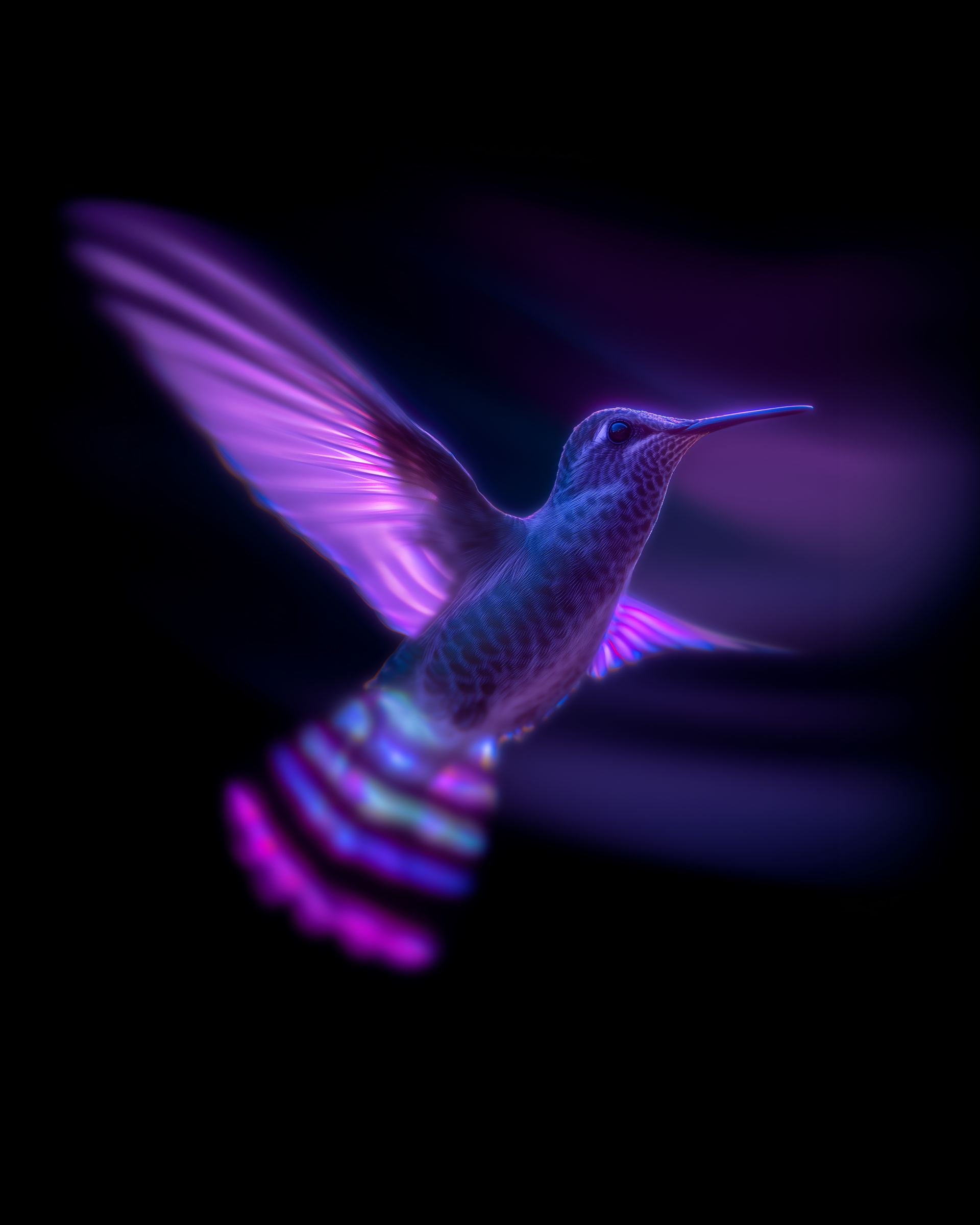
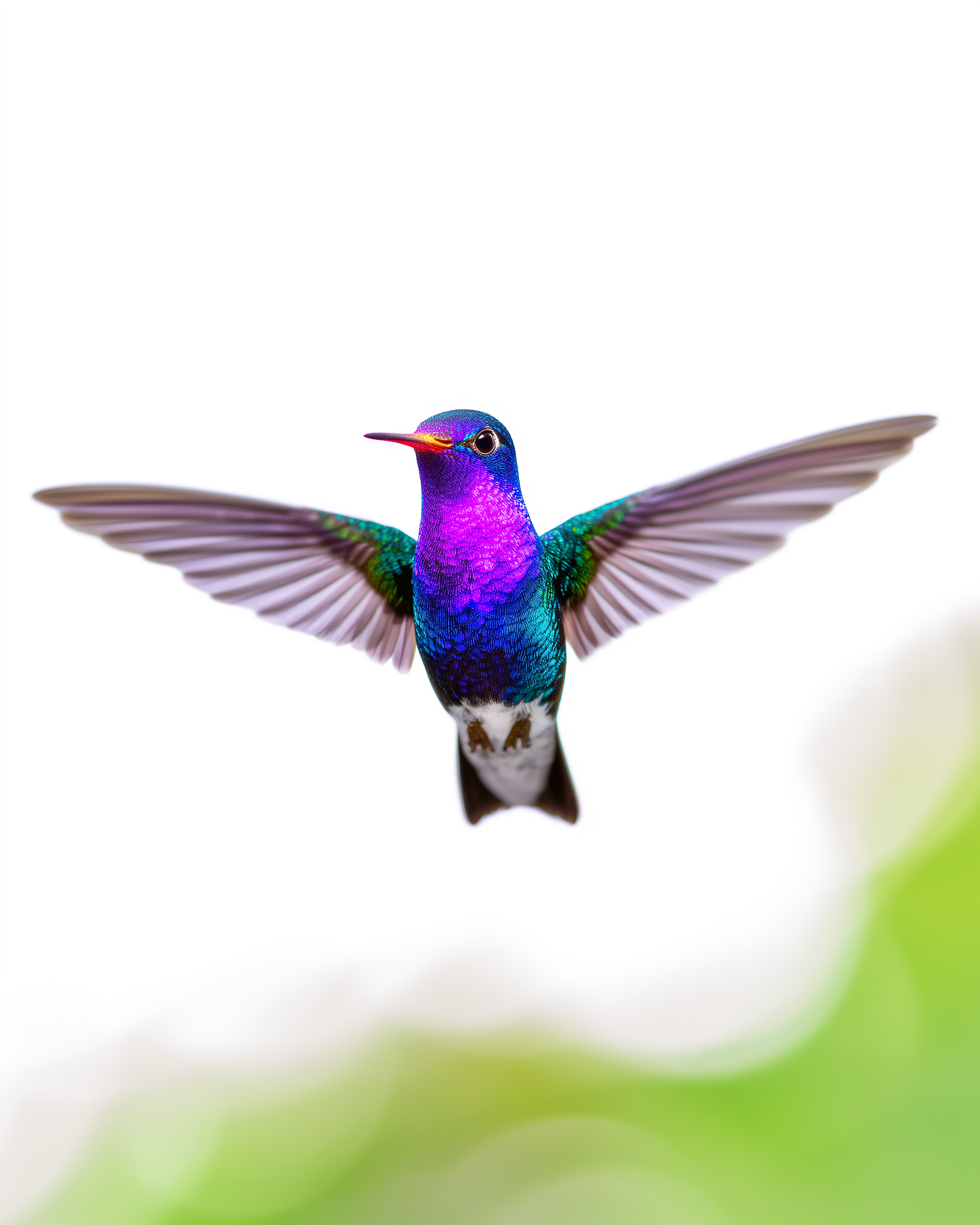
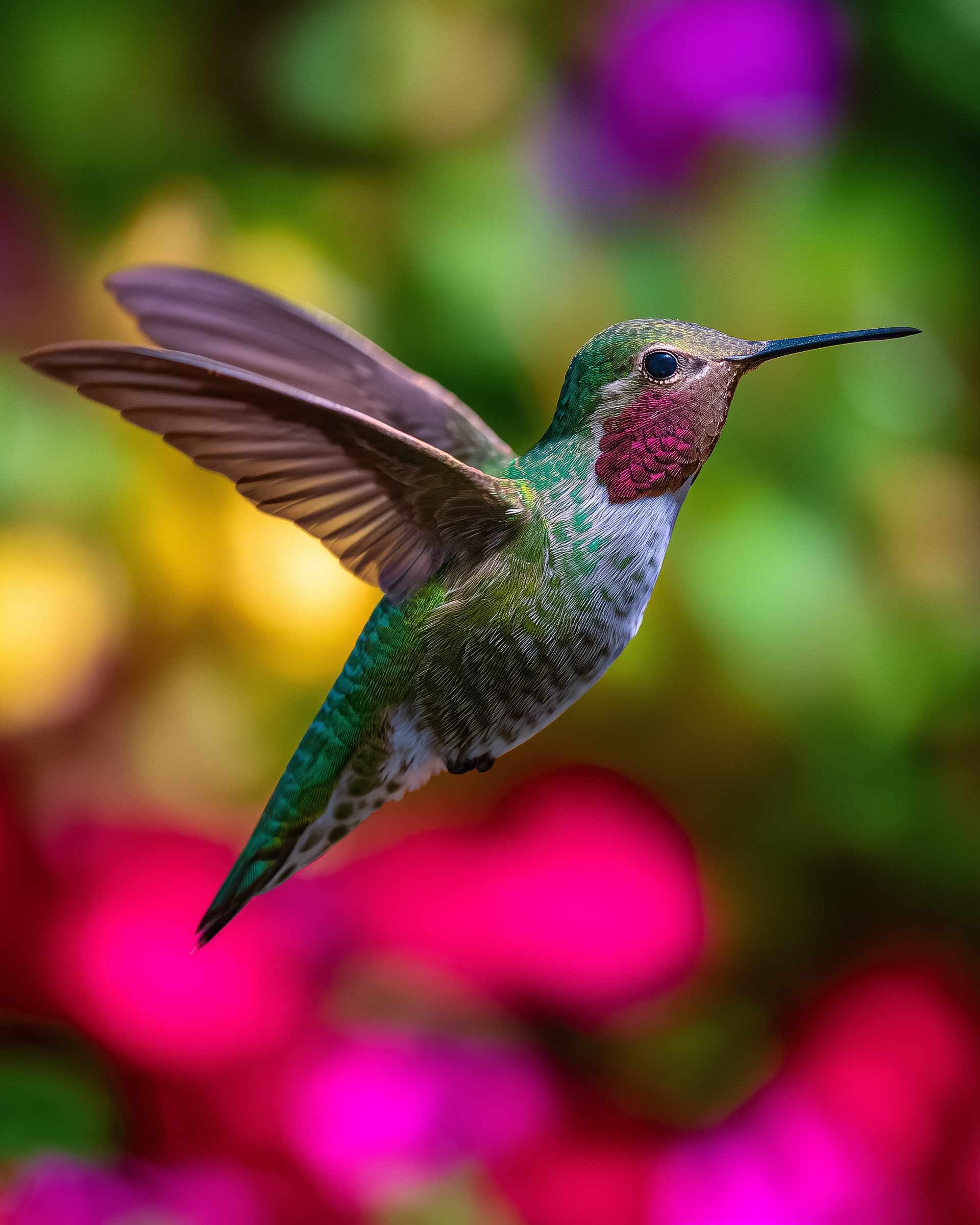
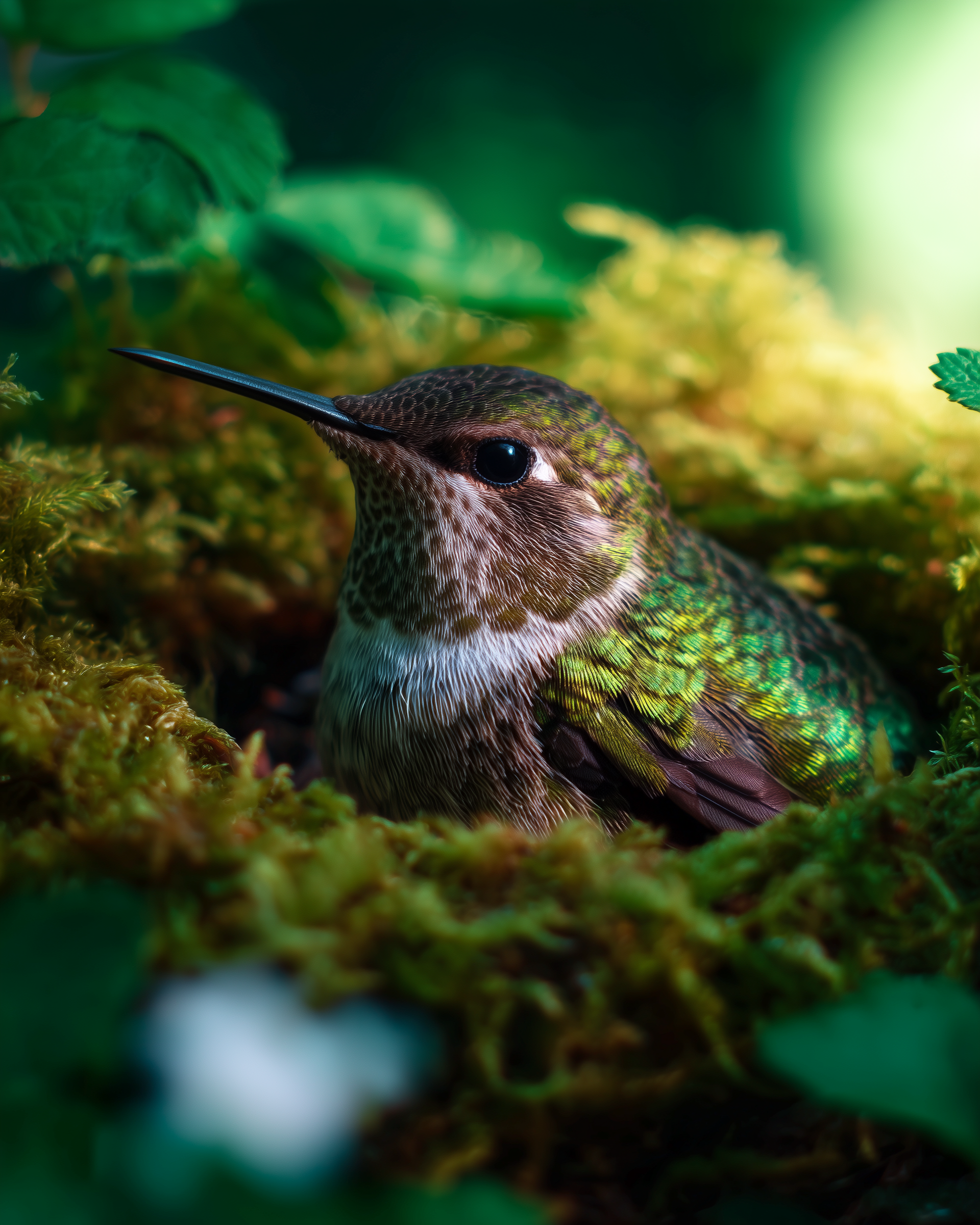
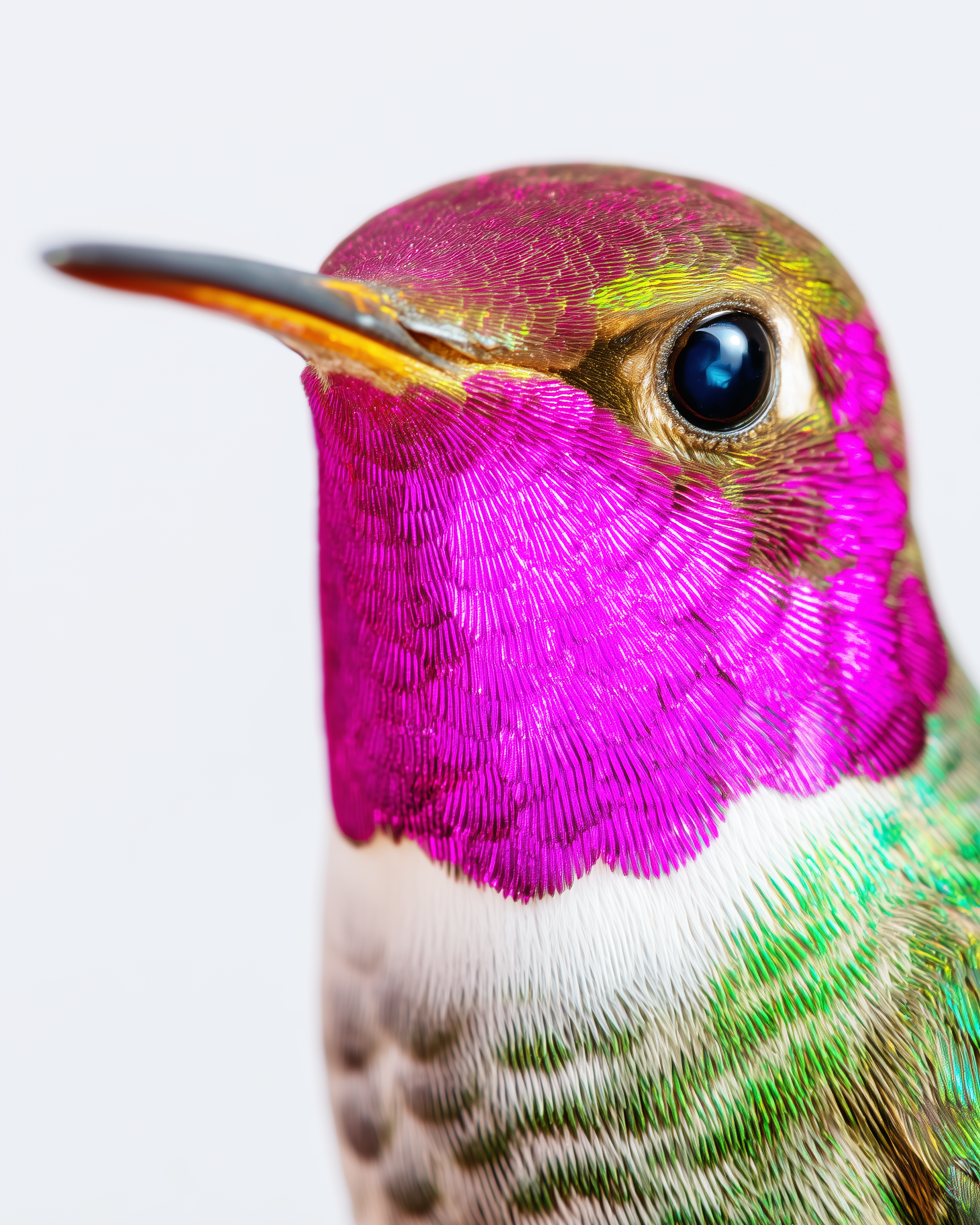
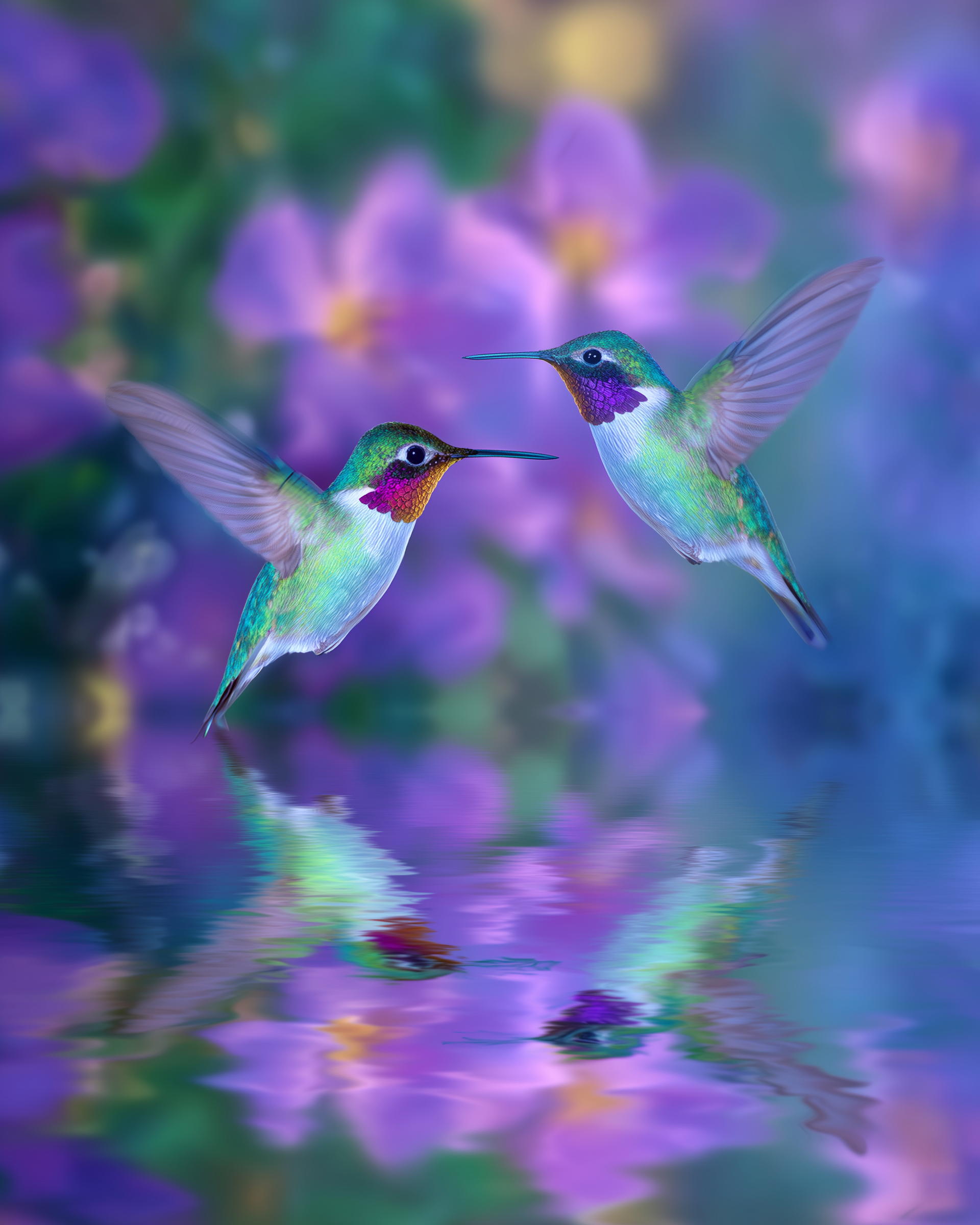
A hummingbird is a small bird belonging to the family Trochilidae, famous for its dazzling iridescent feathers, extraordinary agility, and ability to hover in midair. Found exclusively in the Americas, hummingbirds inhabit a wide range of environments, from tropical rainforests and mountain meadows to gardens and deserts. They are among the smallest birds in the world, with many species measuring only a few inches in length. Their rapid wingbeats—often ranging from 50 to more than 80 beats per second—allow them to fly forward, backward, sideways, and even upside down for brief moments while feeding. Hummingbirds primarily consume flower nectar using their long, specialized bills and extendable tongues, but they also eat small insects and spiders to obtain protein. As they move from flower to flower, they play a vital role as pollinators, helping many plants reproduce. Despite their tiny size, hummingbirds are known for their remarkable endurance, with some species migrating thousands of miles each year. Throughout many cultures, they symbolize joy, resilience, hope, love, and the beauty of living fully in the present, making them some of the most admired and enchanting birds in nature.