Kwanzaa
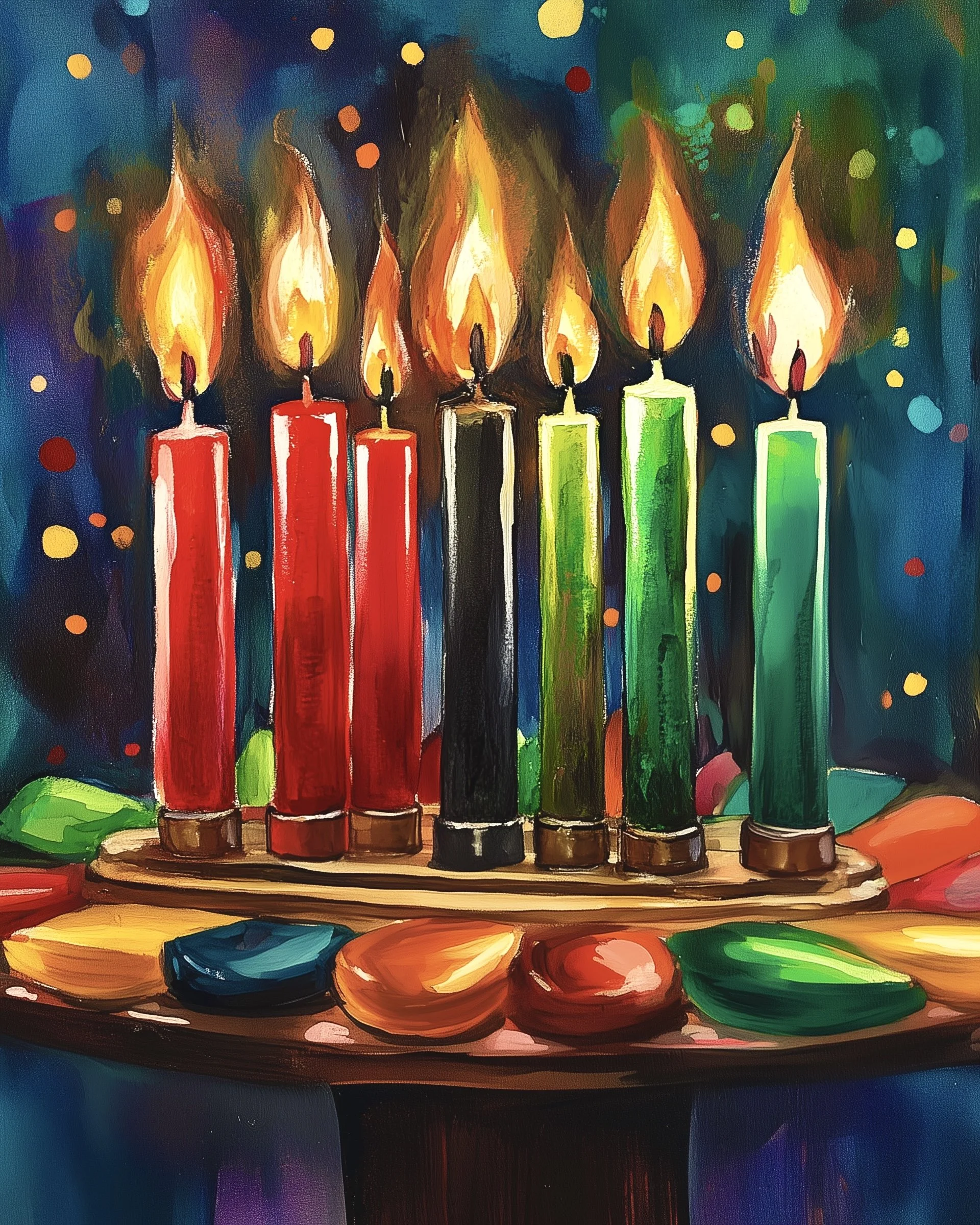
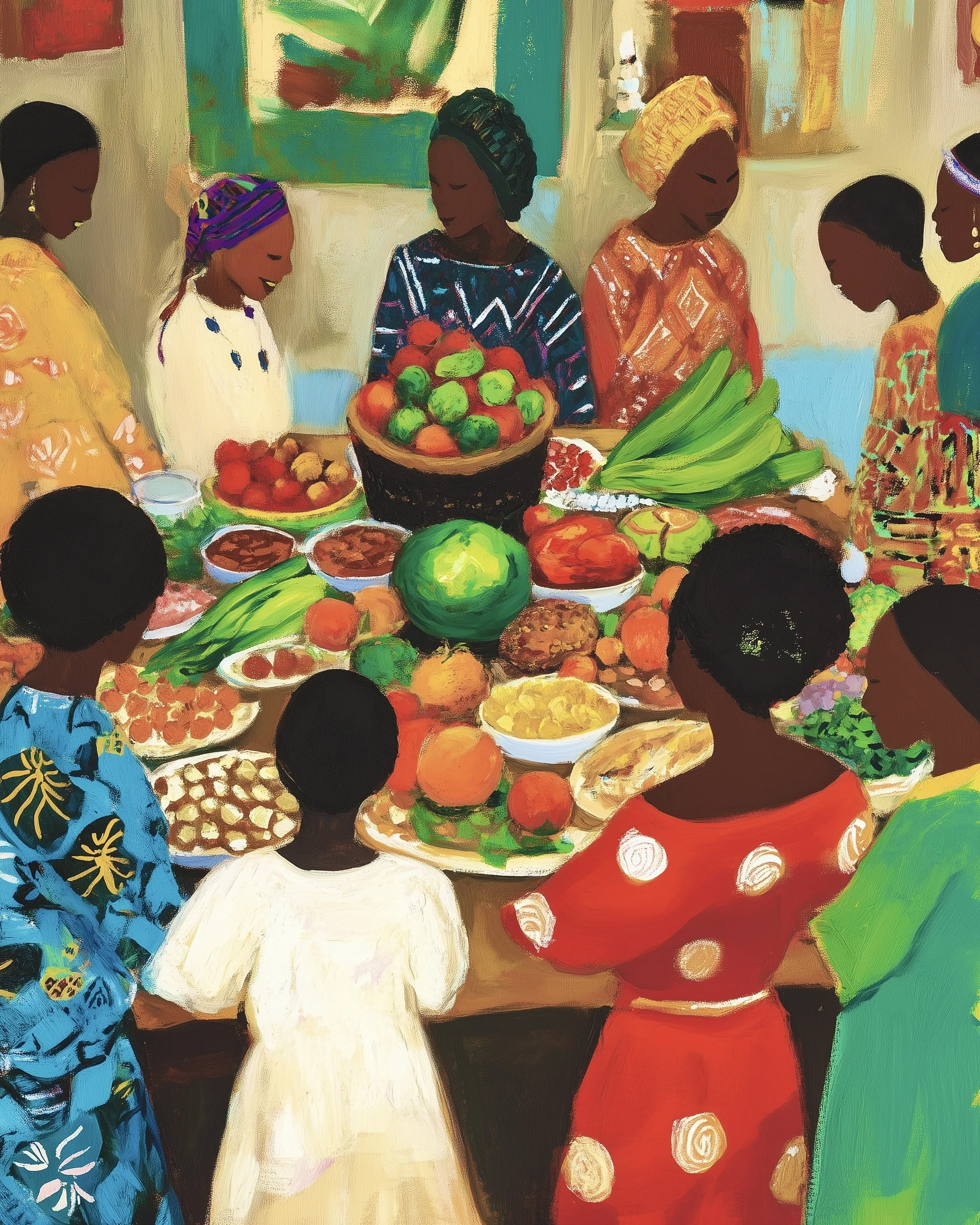
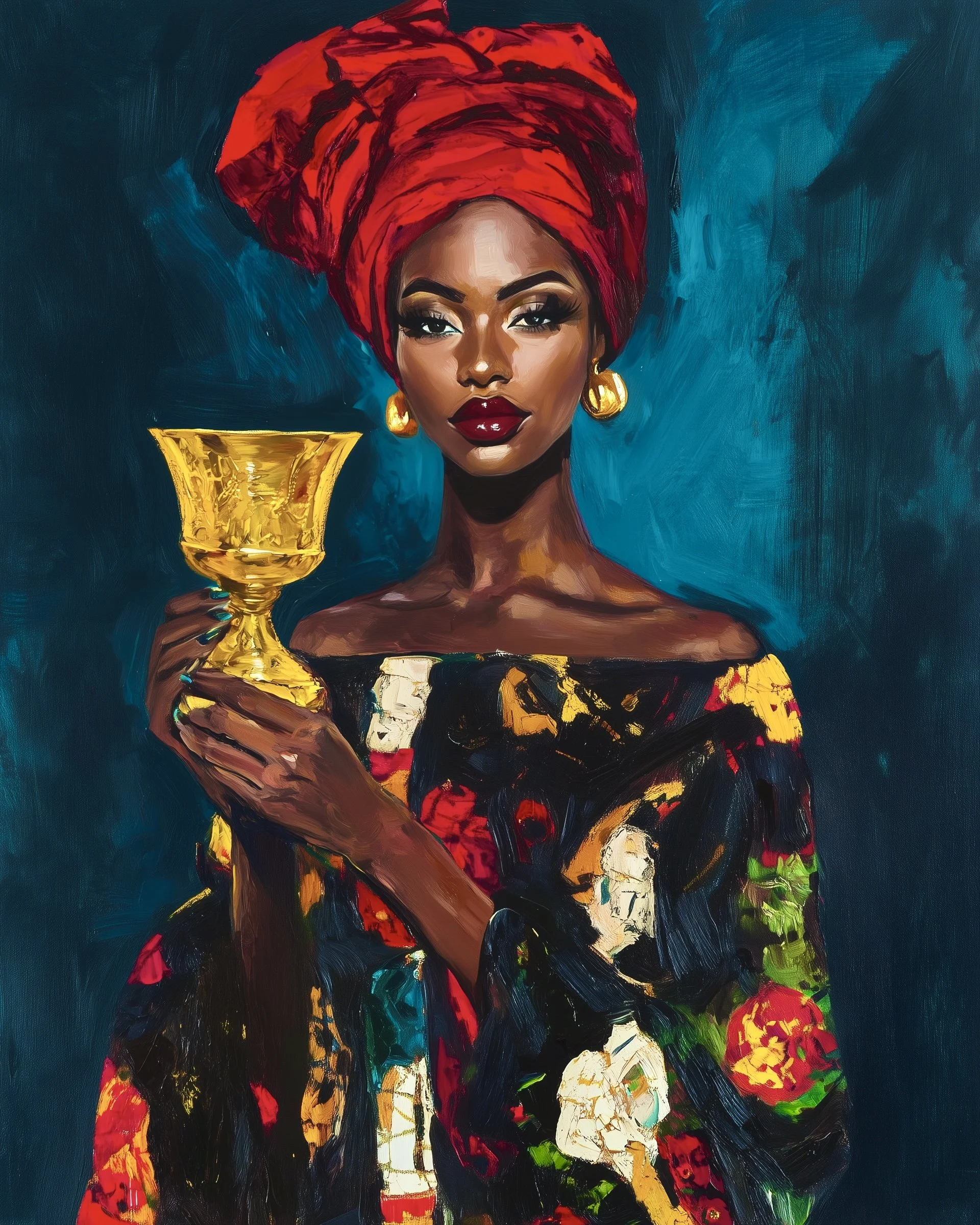
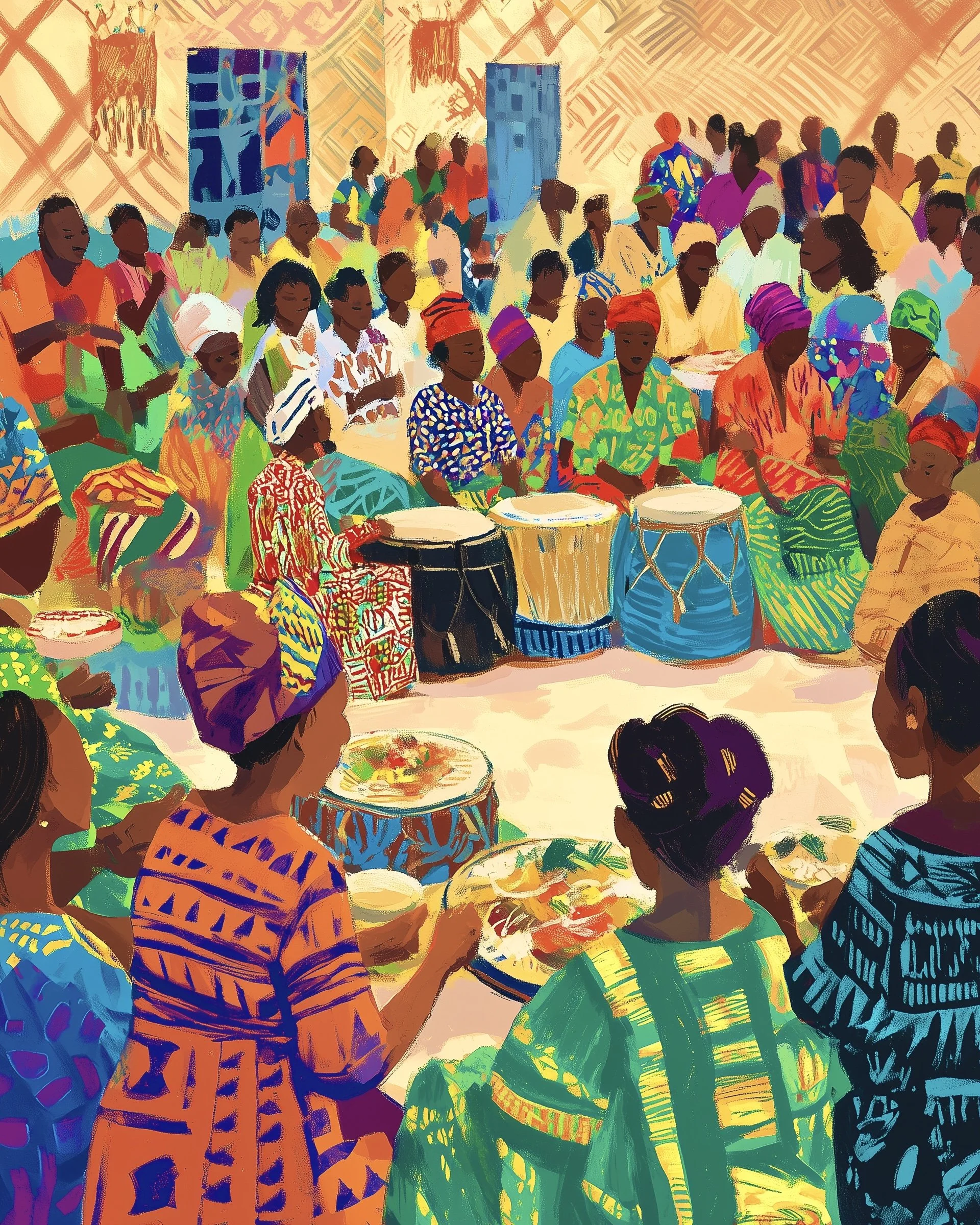
Kwanzaa is a week-long cultural celebration honoring African American heritage, unity, and community, observed annually from December 26 through January 1. Created in 1966 by Maulana Karenga, a professor and activist, Kwanzaa was established to celebrate African cultural traditions and inspire pride, reflection, and togetherness within the African American community. The name “Kwanzaa” comes from the Swahili phrase matunda ya kwanza, meaning “first fruits,” symbolizing harvest celebrations found in many African cultures. Each of the seven days of Kwanzaa is dedicated to one of the Nguzo Saba, or Seven Principles: Unity, Self-Determination, Collective Work and Responsibility, Cooperative Economics, Purpose, Creativity, and Faith. The holiday is marked by meaningful symbols such as the kinara holding seven candles in the colors of the Pan-African flag, fruits and vegetables representing harvest, and the unity cup used to honor ancestors. Families and communities gather throughout the week for storytelling, music, dance, discussion, and festive meals, often culminating in a joyful feast called the Karamu and the exchange of handmade gifts. Though not a religious holiday, Kwanzaa serves as a powerful celebration of cultural identity, shared values, and the enduring strength of family and community.