Ancient Greece
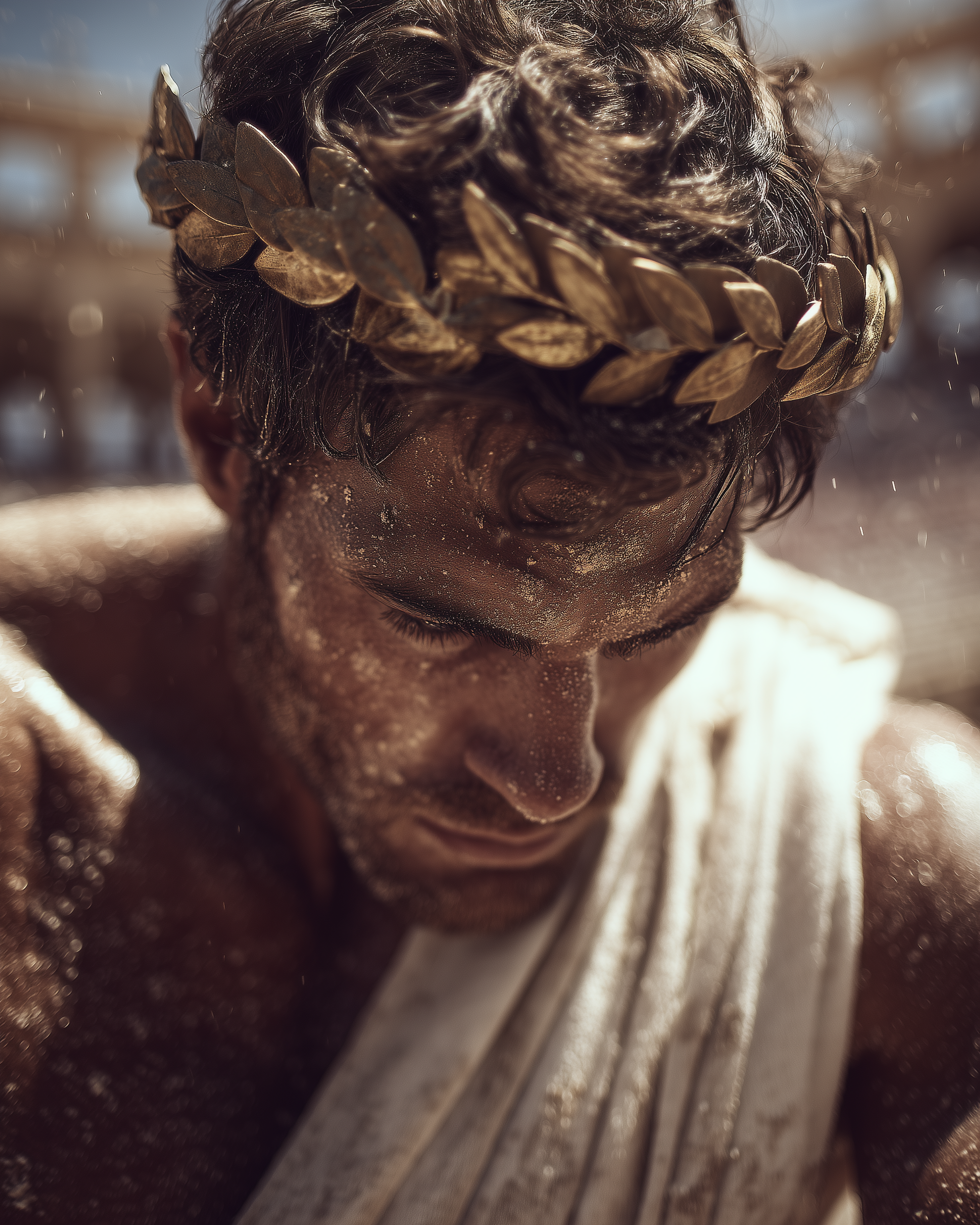
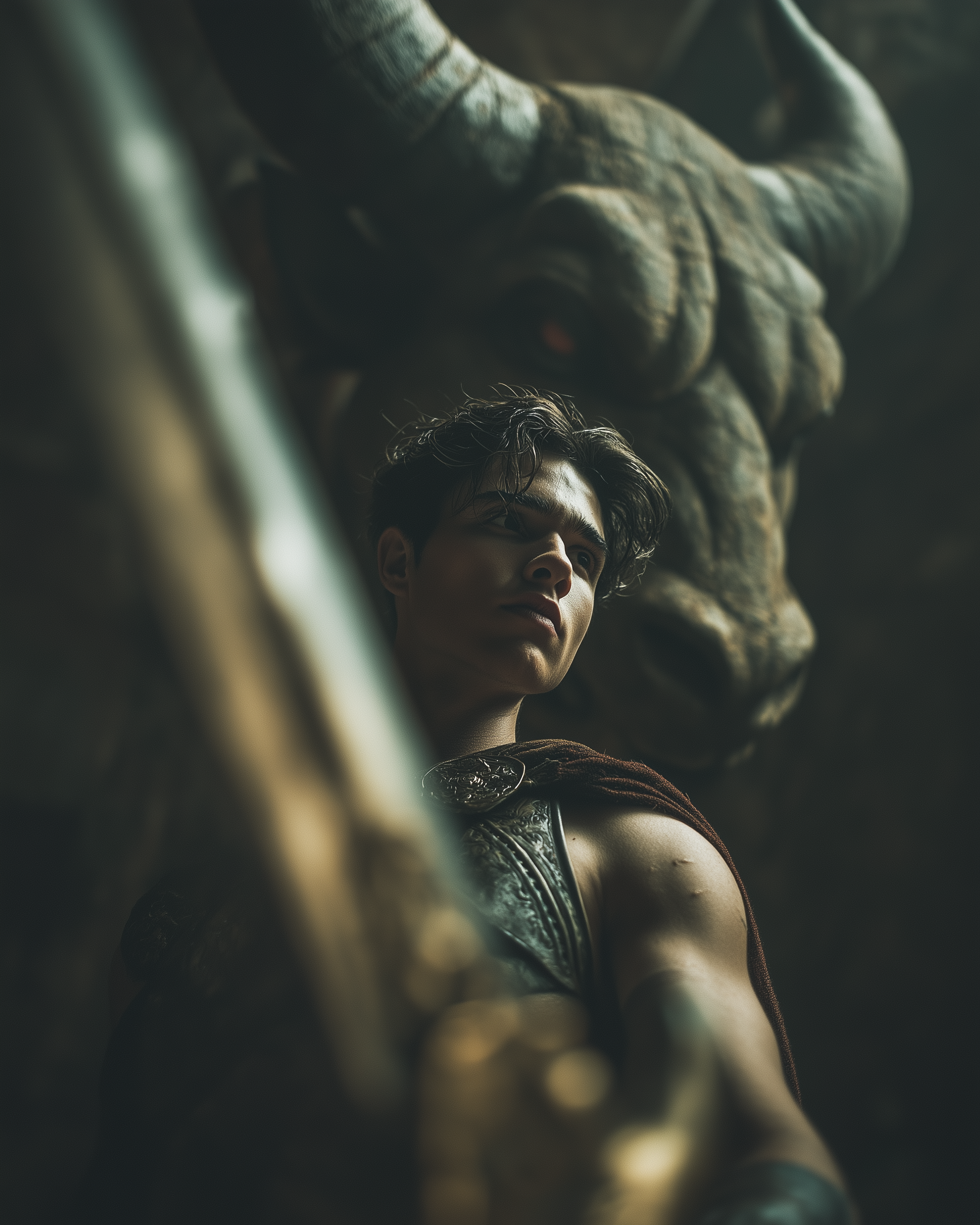
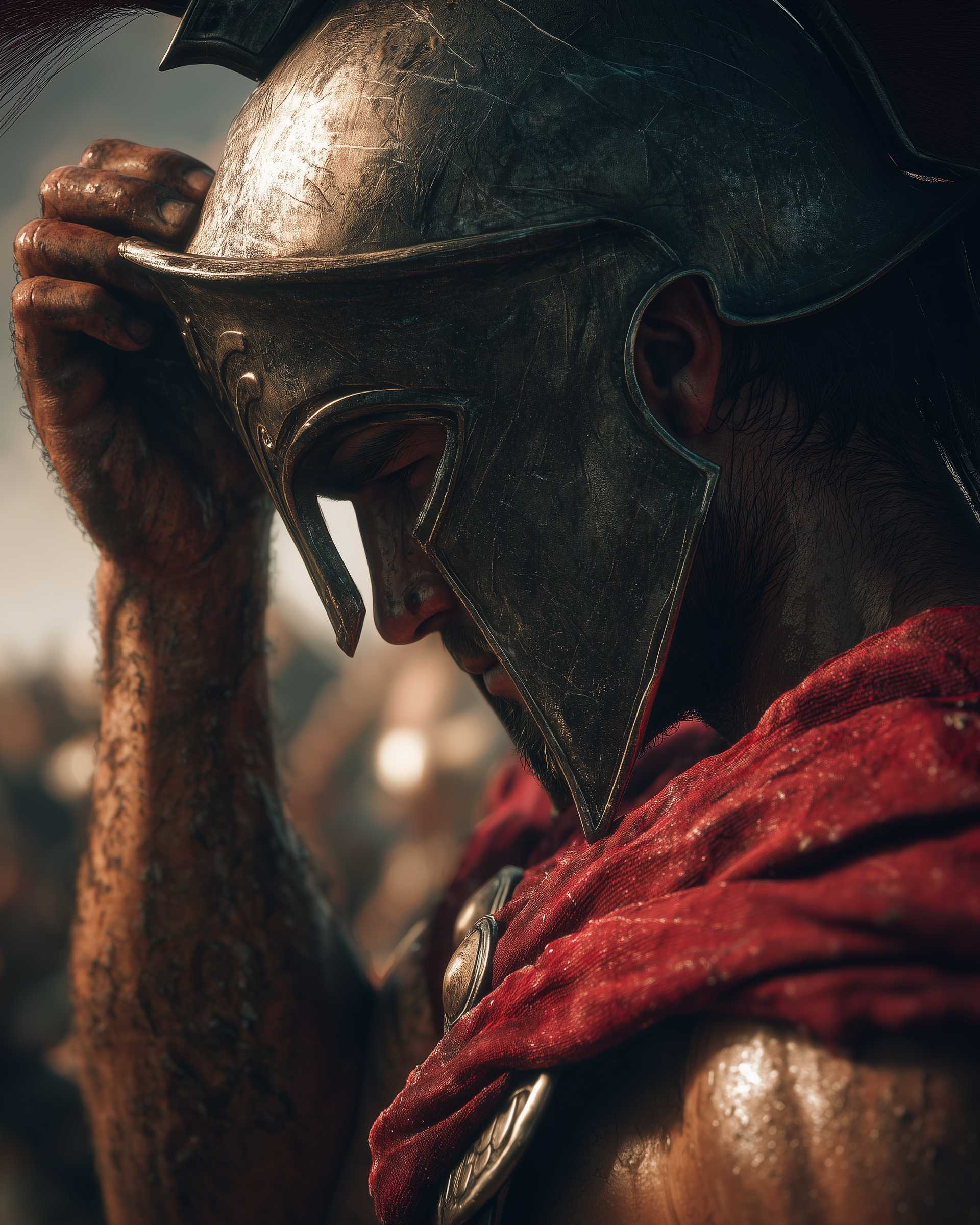
Ancient Greece was a civilization that flourished from around the 8th century BCE to the rise of the Roman Empire, and is widely regarded as one of the foundations of Western civilization. Made up of independent city-states such as Athens and Sparta, Ancient Greece made lasting contributions to democracy, philosophy, science, mathematics, literature, art, architecture, and the Olympic Games. It was also home to rich mythology featuring gods and heroes like Zeus, Athena, and Hercules, whose stories continue to influence culture, literature, and art around the world today.
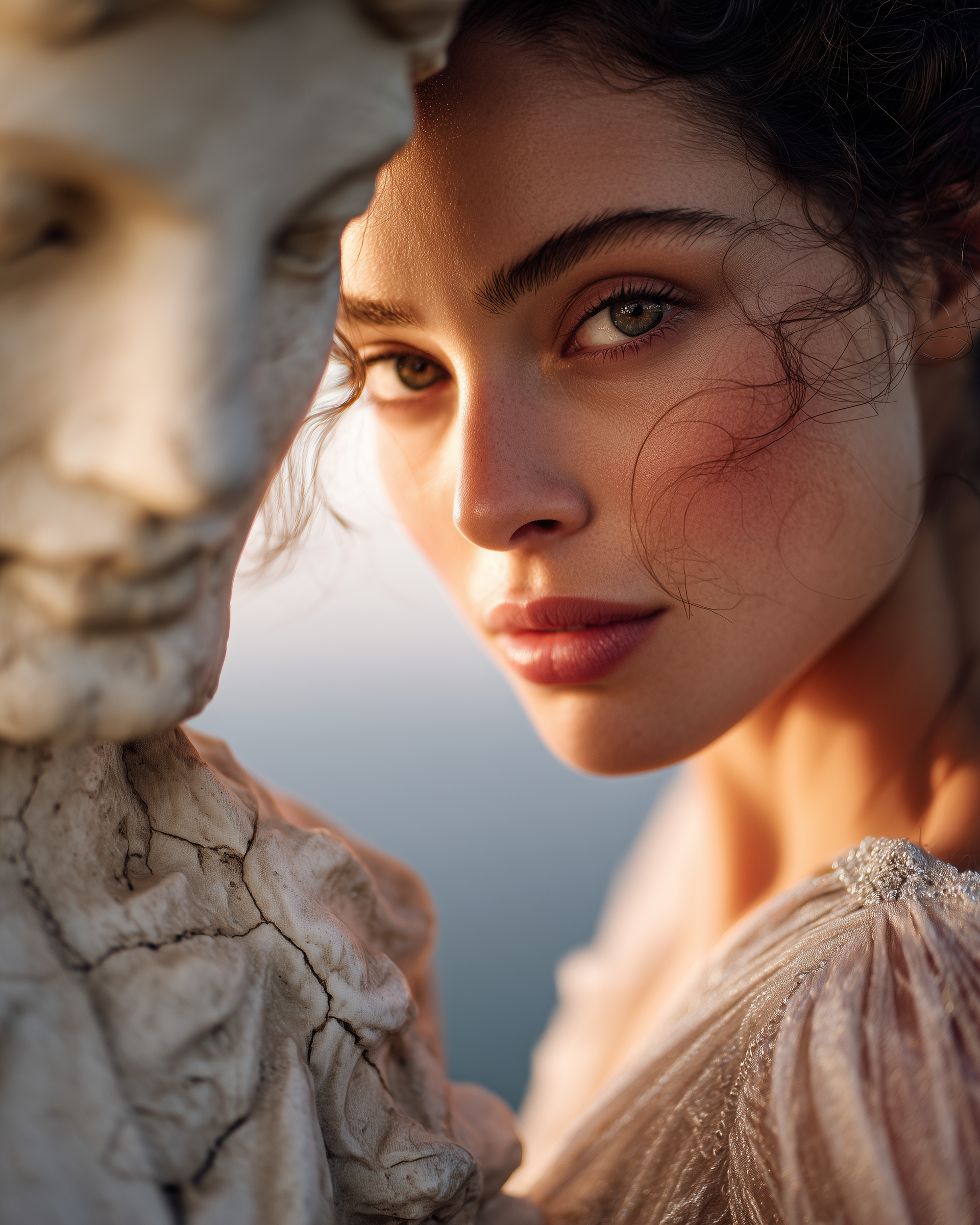
Aphrodite was the ancient Greek goddess of love, beauty, desire, pleasure, and fertility, revered as one of the twelve Olympian deities in Ancient Greece. According to Greek mythology, she was born from the sea foam near the island of Cyprus, although some traditions describe her as the daughter of Zeus and Dione. Aphrodite was believed to inspire love and attraction among both gods and mortals, and she played a central role in many famous myths, including the Judgment of Paris, which helped spark the Trojan War. She remains one of the most recognizable figures in Greek mythology and has long symbolized beauty, romance, passion, and the power of love.

Artemis was the ancient Greek goddess of the hunt, the wilderness, wildlife, the Moon, and the protector of young women and children. One of the twelve Olympian deities and the twin sister of Apollo, Artemis was celebrated for her independence, exceptional skill with the bow and arrow, and deep connection to nature. Often depicted as a huntress accompanied by deer or hunting dogs, she symbolized strength, freedom, purity, and the untamed beauty of the natural world, making her one of the most revered and enduring figures in Greek mythology.
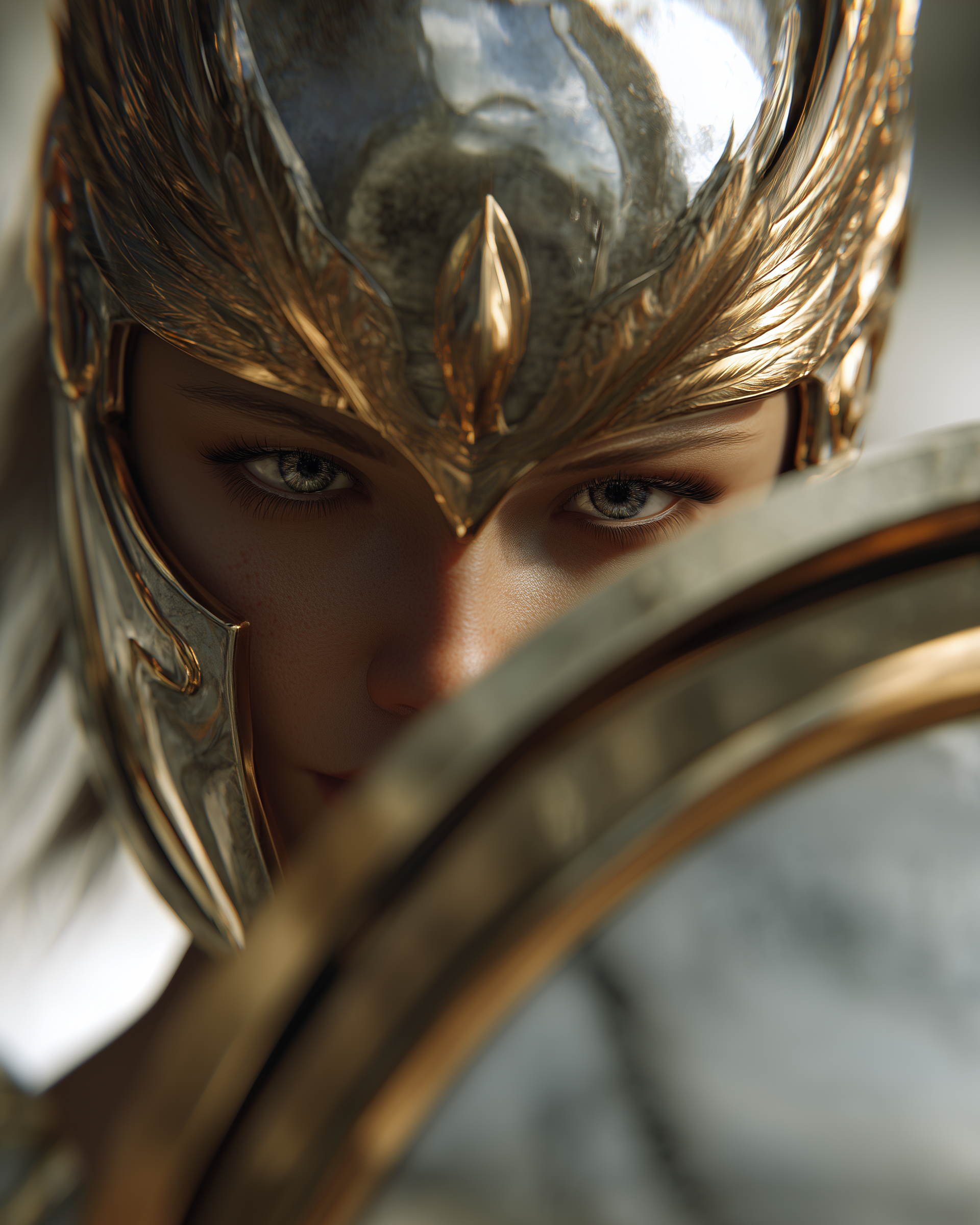
Athena was the ancient Greek goddess of wisdom, strategic warfare, courage, justice, and craftsmanship, and one of the twelve Olympian deities in Ancient Greece. According to mythology, she was born fully grown and armored from the head of Zeus, symbolizing intelligence and reason. As the patron goddess of the city of Athens, Athena was admired for using wisdom and strategy over brute force, and she was often depicted wearing armor, carrying a shield and spear, and accompanied by an owl, a lasting symbol of knowledge and insight.
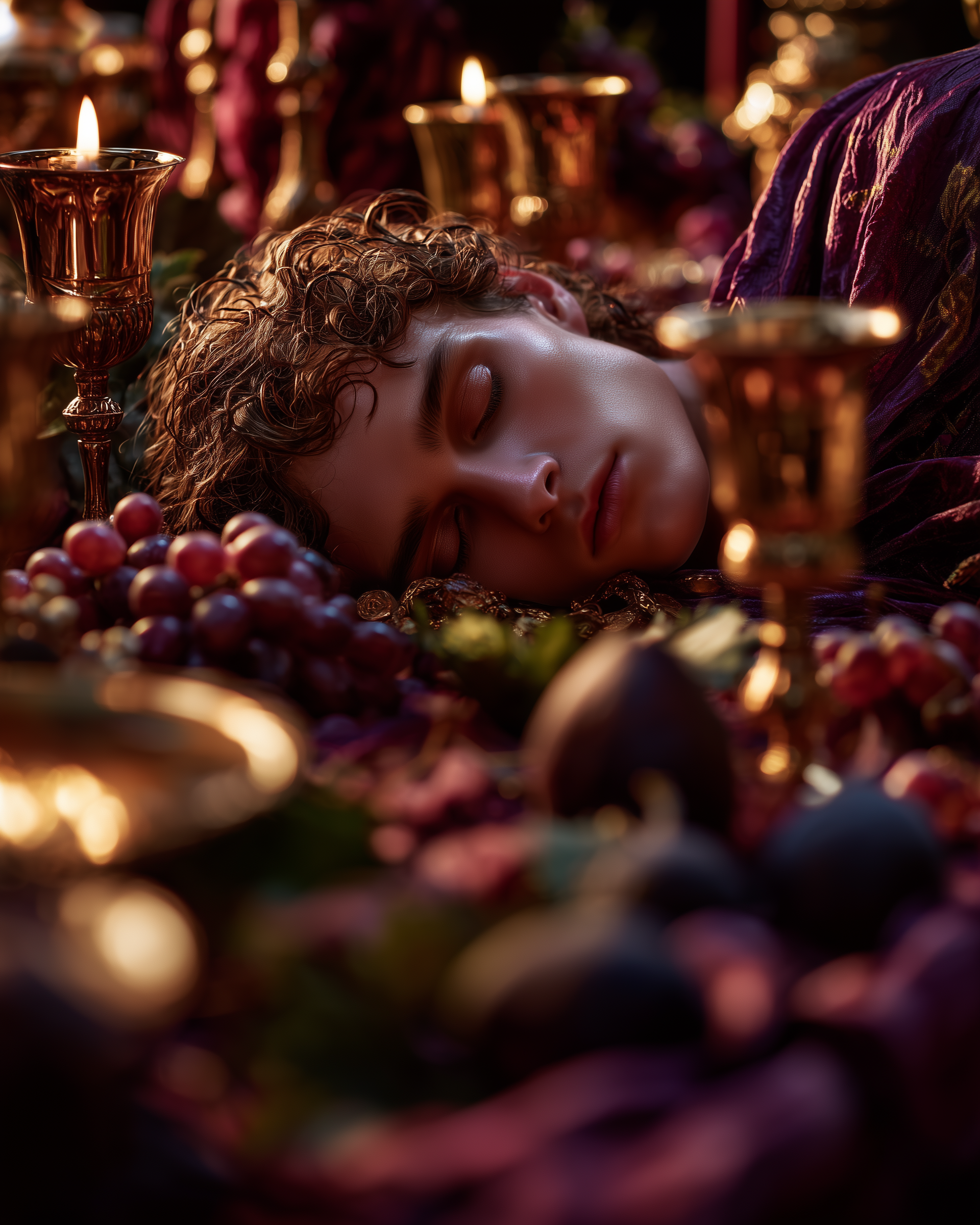
Dionysus was the ancient Greek god of wine, celebration, theater, fertility, and ecstasy, and one of the twelve Olympian deities in Ancient Greece. As the son of Zeus and the mortal Semele, Dionysus represented both the joyful and unpredictable sides of life, inspiring creativity, festivity, and emotional freedom. He was often depicted wearing a crown of ivy or grapevines and carrying a staff called a thyrsus, symbolizing abundance and vitality. Dionysus was also closely associated with the origins of Greek theater, making him a lasting symbol of artistic expression, passion, and transformation.

Hades was the ancient Greek god of the Underworld and the ruler of the realm of the dead, overseeing the souls of those who had passed away rather than serving as a god of evil. He was one of the three brothers of Zeus and Poseidon, each ruling a different part of the world after defeating the Titans. Hades was often depicted with a bident and a helmet of invisibility, while his loyal companion, Cerberus, was a massive three-headed dog that guarded the entrance to the Underworld, preventing the dead from escaping and the living from entering without permission. Together, Hades and Cerberus symbolize death, the afterlife, and the boundary between the worlds of the living and the dead in Greek mythology.
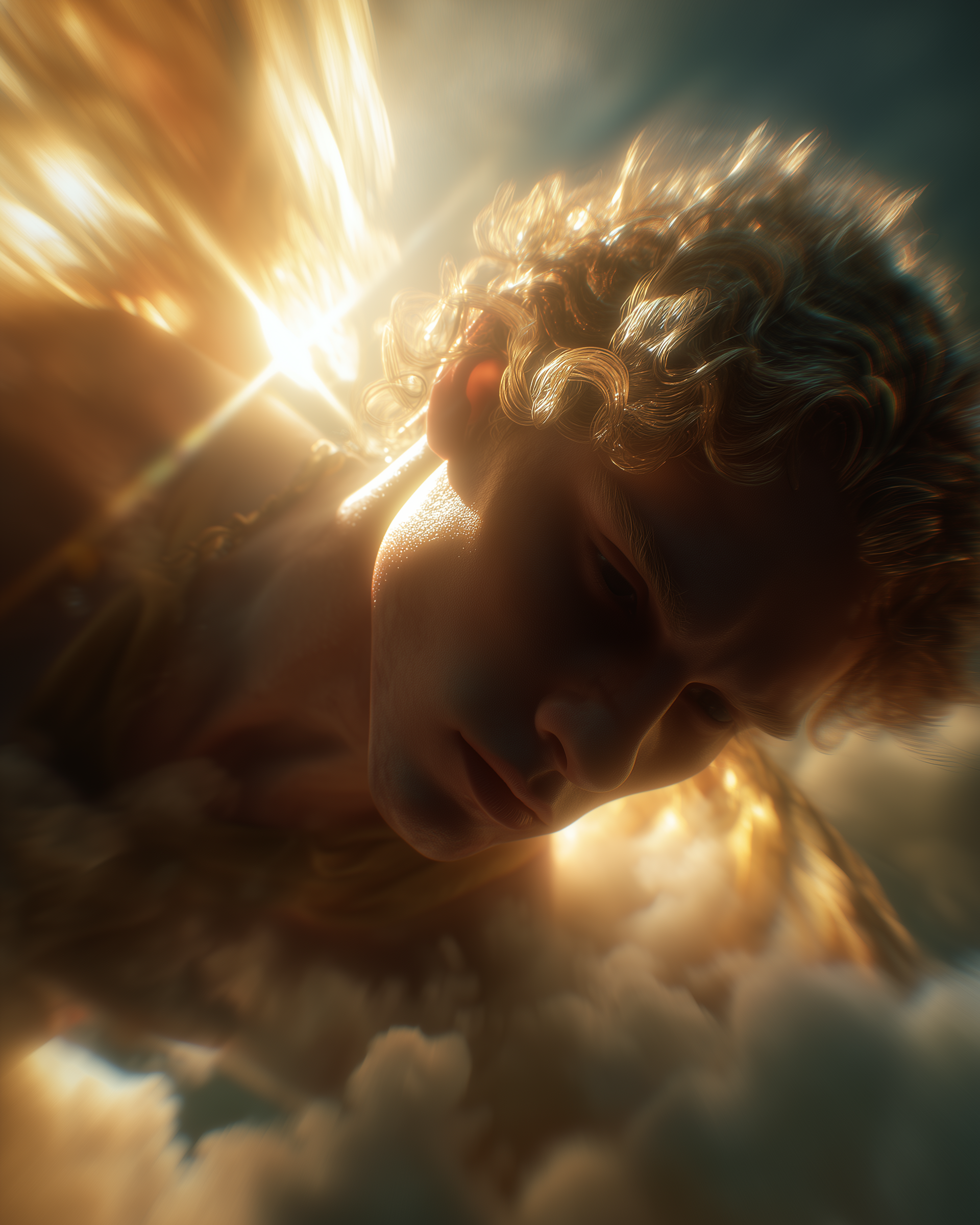
Icarus was a legendary figure in Ancient Greece best known for the myth of his attempt to escape imprisonment with wings made of feathers and wax, crafted by his father, Daedalus. Before their flight, Daedalus warned Icarus not to fly too close to the Sun or too close to the sea, but overcome with excitement, Icarus ignored the warning and soared too high. The Sun's heat melted the wax holding his wings together, causing him to fall into the sea and drown. His story has become a timeless symbol of ambition, overconfidence, and the importance of balancing courage with wisdom.
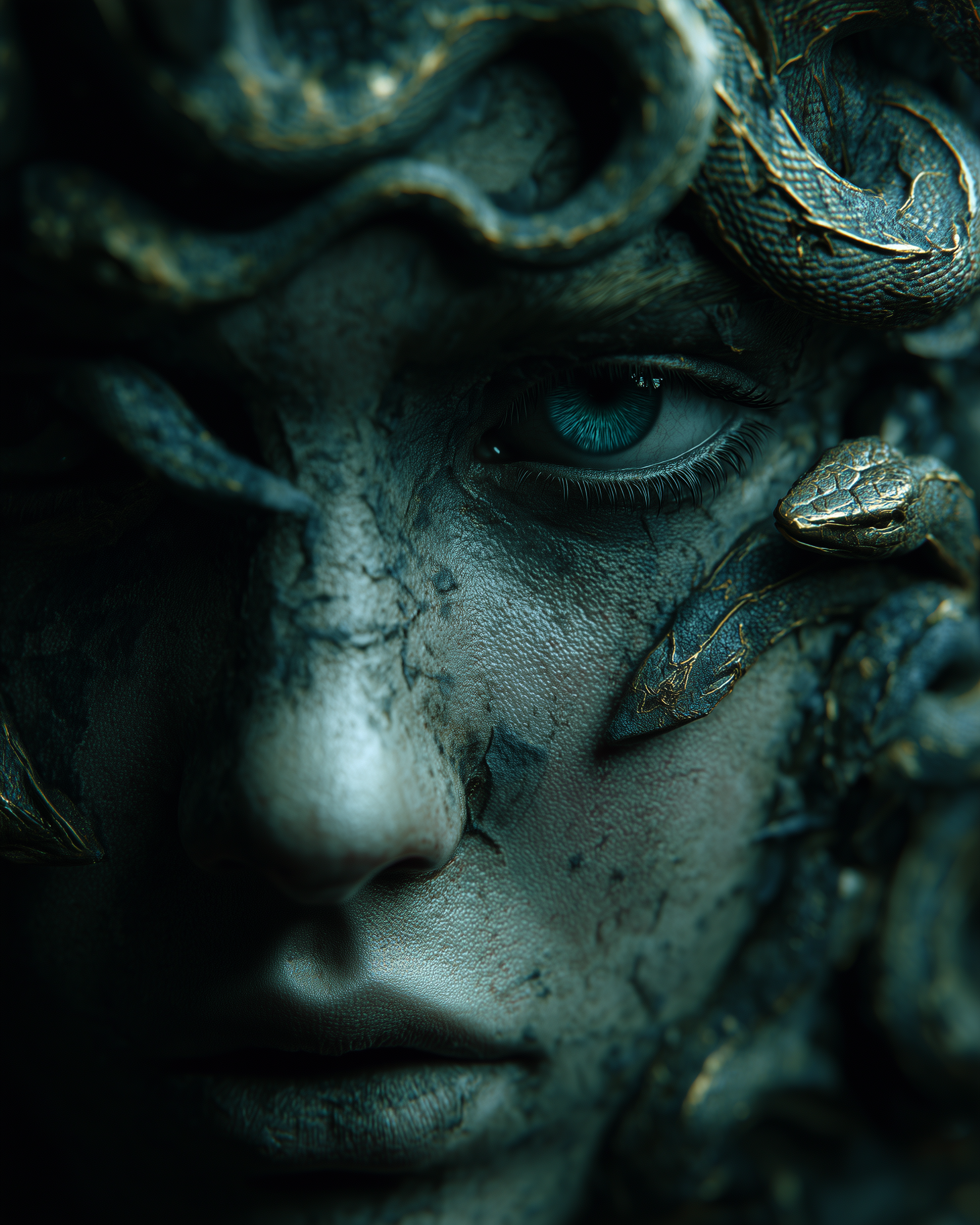
Medusa was one of the most famous figures in Ancient Greece, known as the Gorgon with venomous snakes for hair and a gaze that could turn anyone who looked directly at her into stone. In later versions of the myth, Medusa was originally a beautiful woman who was transformed into a monster by Athena after being desecrated in her temple. She was eventually slain by the hero Perseus, who used a mirrored shield to avoid her deadly gaze and beheaded her. From her blood sprang the winged horse Pegasus, and Medusa has since become a lasting symbol of beauty, tragedy, power, and transformation in Greek mythology.

Persephone was the ancient Greek goddess of spring, vegetation, and the queen of the Underworld, best known as the daughter of Demeter and the wife of Hades. According to Greek mythology, Hades abducted Persephone and brought her to the Underworld, where she ate pomegranate seeds that bound her to return each year. Her annual journey between the Underworld and Earth became the mythological explanation for the changing seasons: when Persephone is with Hades, Demeter's grief brings autumn and winter, and when she returns to her mother, spring and summer begin. Persephone symbolizes renewal, transformation, and the cycle of life, death, and rebirth.

Poseidon was the ancient Greek god of the sea, earthquakes, storms, and horses, and one of the twelve Olympian deities in Ancient Greece. As one of the three brothers of Zeus and Hades, Poseidon ruled the oceans after the brothers divided the world. Often depicted wielding a powerful trident, he was believed to control the seas, create storms, and cause earthquakes with a single strike. Revered by sailors and feared for his unpredictable temper, Poseidon remains one of the most iconic figures in Greek mythology, symbolizing the immense power and mystery of the ocean.