Chakras
Chakras are centers of spiritual energy within the human body according to ancient Indian traditions such as Hinduism and Buddhism, with the word “chakra” coming from Sanskrit meaning “wheel” or “disk,” symbolizing rotating energy points that distribute life force throughout the body. There are seven main chakras—Root, Sacral, Solar Plexus, Heart, Throat, Third Eye, and Crown—each linked to different physical, emotional, and spiritual functions such as grounding, creativity, confidence, love, communication, intuition, and spiritual awareness. These energy centers are believed to regulate the flow of life energy, or prana, throughout the body, and when balanced they promote harmony, health, emotional healing, and spiritual well-being, while imbalances may contribute to physical or emotional distress; because of this, chakras are often explored through practices like meditation, yoga, visualization, and energy healing as a way to strengthen the connection between mind, body, and spirit.

The Root Chakra
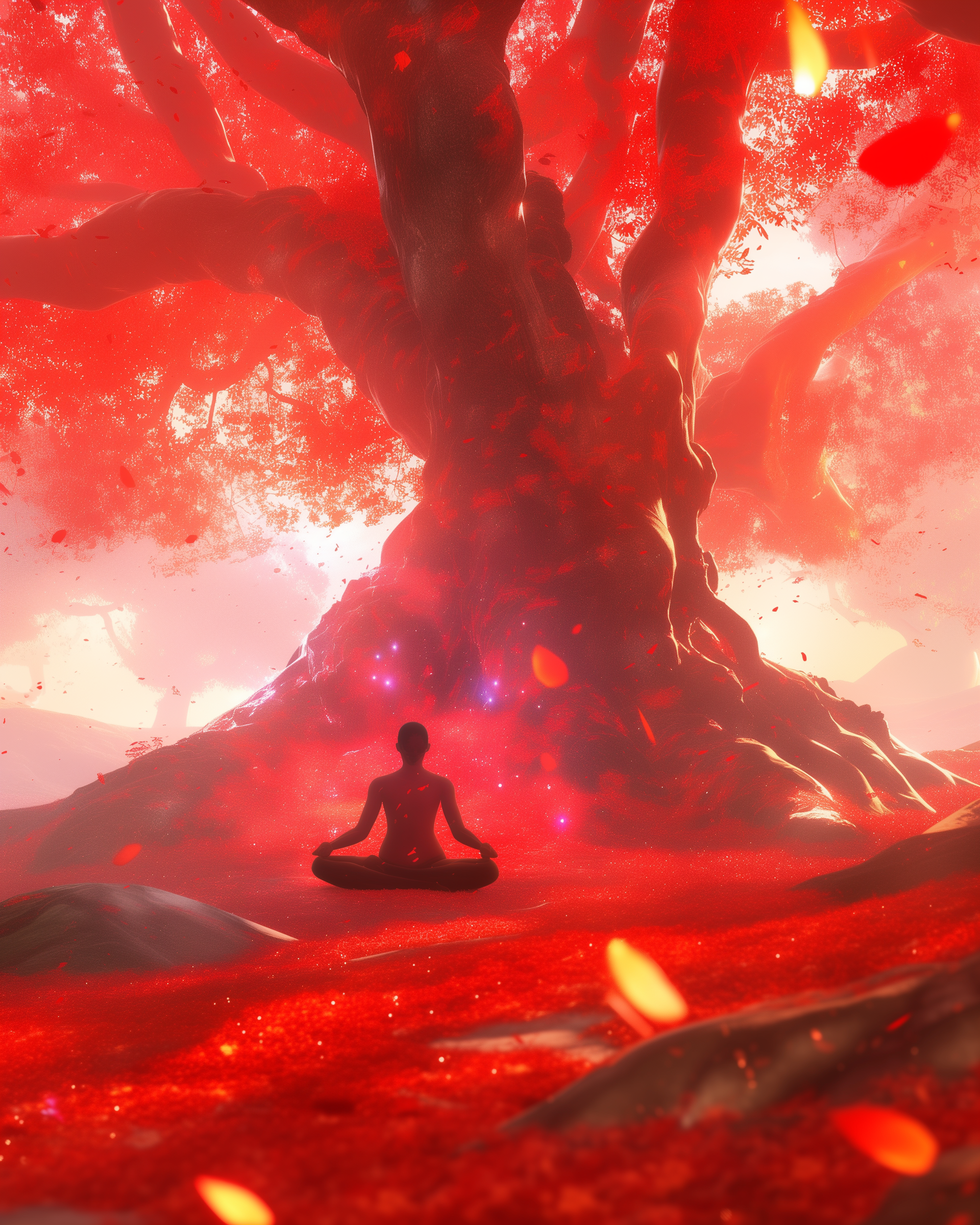
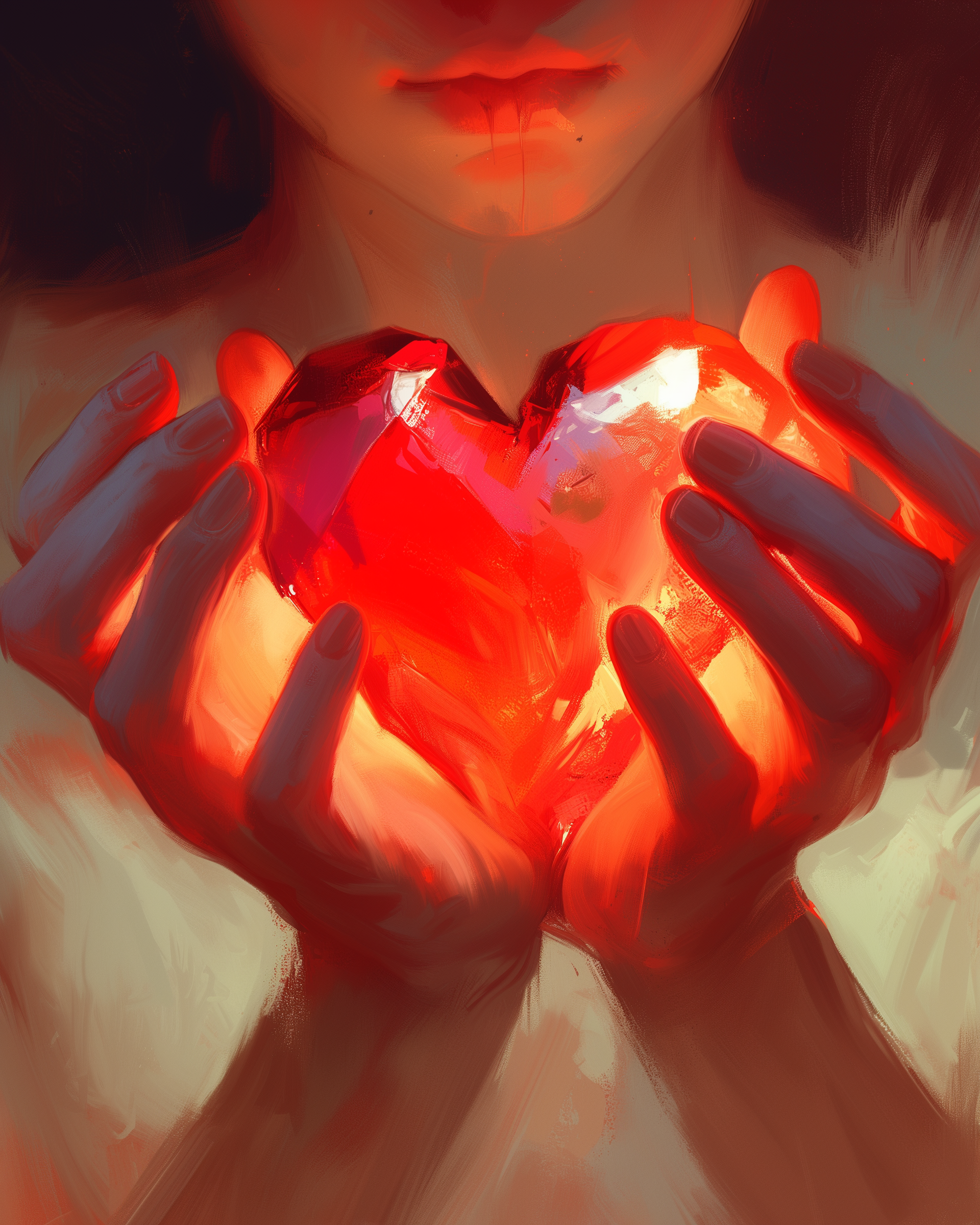
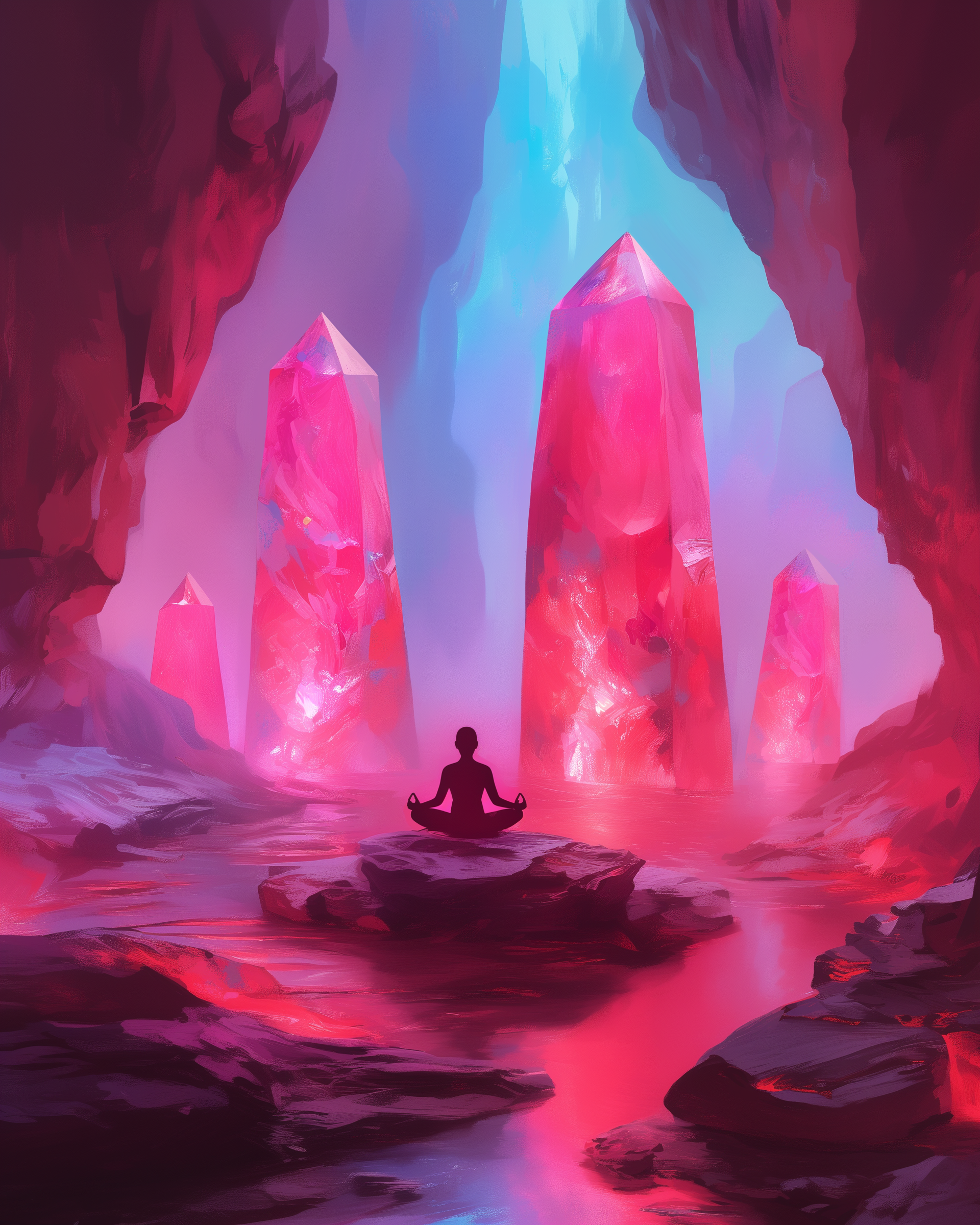
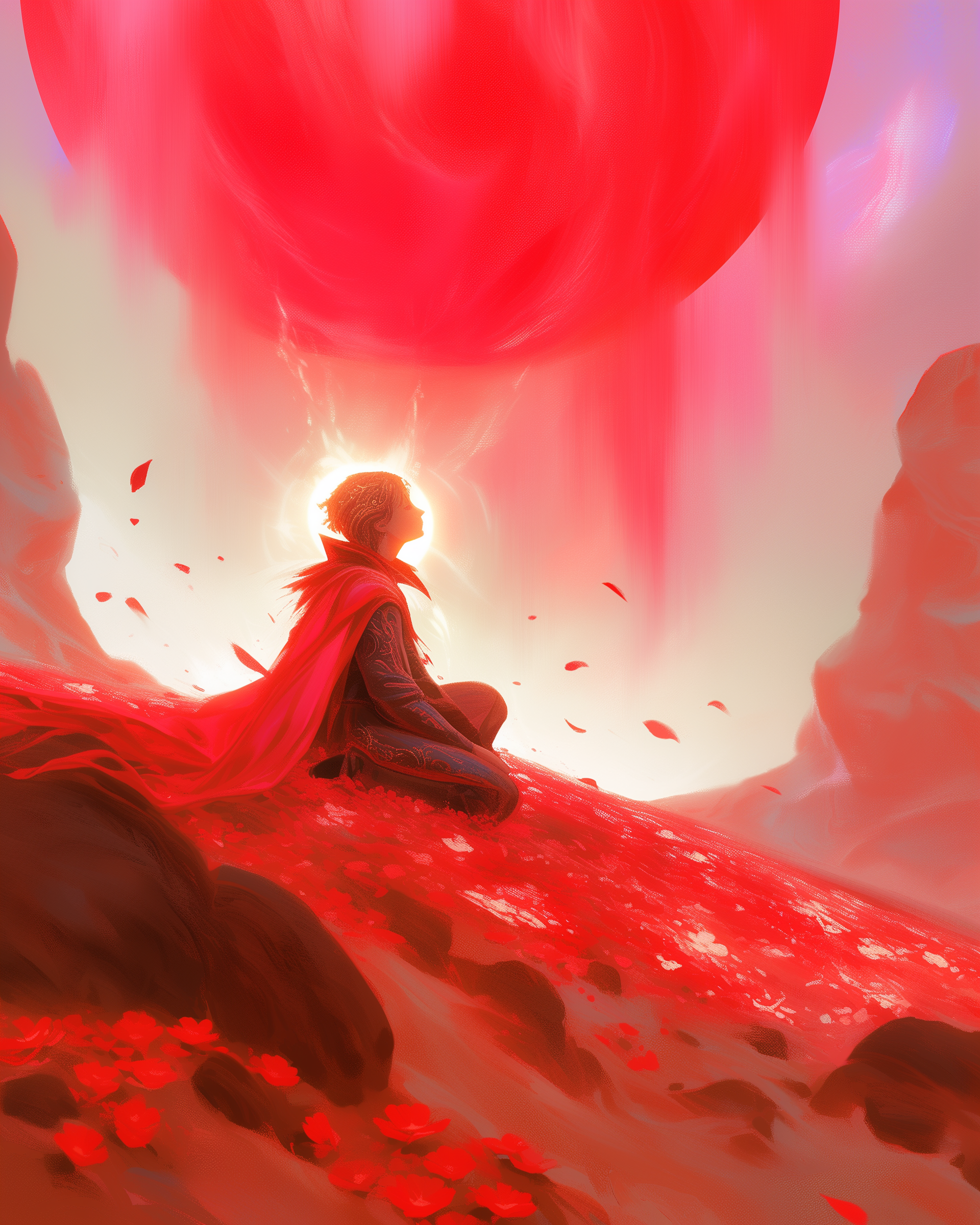
The Root Chakra, also known as Muladhara, is the first of the seven primary chakras and is located at the base of the spine near the tailbone, serving as the foundation of physical, emotional, and spiritual stability. Associated with the color red and the earth element, the root chakra governs survival, grounding, safety, and our most basic needs such as food, shelter, and security, helping us feel connected to both our physical bodies and the world around us. When balanced, it promotes feelings of confidence, stability, vitality, and emotional security; when imbalanced, it may contribute to fear, anxiety, insecurity, or physical discomfort in the lower body. Symbolized by a four-petaled lotus and connected to the mantra “Lam,” the root chakra can be nurtured through grounding activities like walking in nature, practicing yoga, meditation, affirmations, and eating nourishing grounding foods, all of which help strengthen one’s sense of safety, presence, and rootedness in life.


The Sacral Chakra
The Sacral Chakra, known as Svadhisthana in Sanskrit, is the second of the seven primary chakras and is located in the lower abdomen just below the navel, serving as the center of creativity, emotion, sensuality, and pleasure. Associated with the color orange and the element of water, the sacral chakra governs emotional balance, adaptability, relationships, intimacy, and the ability to experience joy and passion in life. When balanced, it encourages healthy emotional expression, creativity, confidence in relationships, and a strong connection to pleasure and inspiration; when imbalanced, it may lead to emotional instability, lack of creativity, difficulty in relationships, or feelings of disconnection from one’s emotions and desires. Symbolized by a six-petaled lotus and connected to the mantra “Vam,” the sacral chakra can be nurtured through creative activities, emotional expression, meditation, yoga, visualization, and consuming vibrant orange foods, all of which help awaken passion, emotional harmony, and personal flow.






The Solar Plexus Chakra
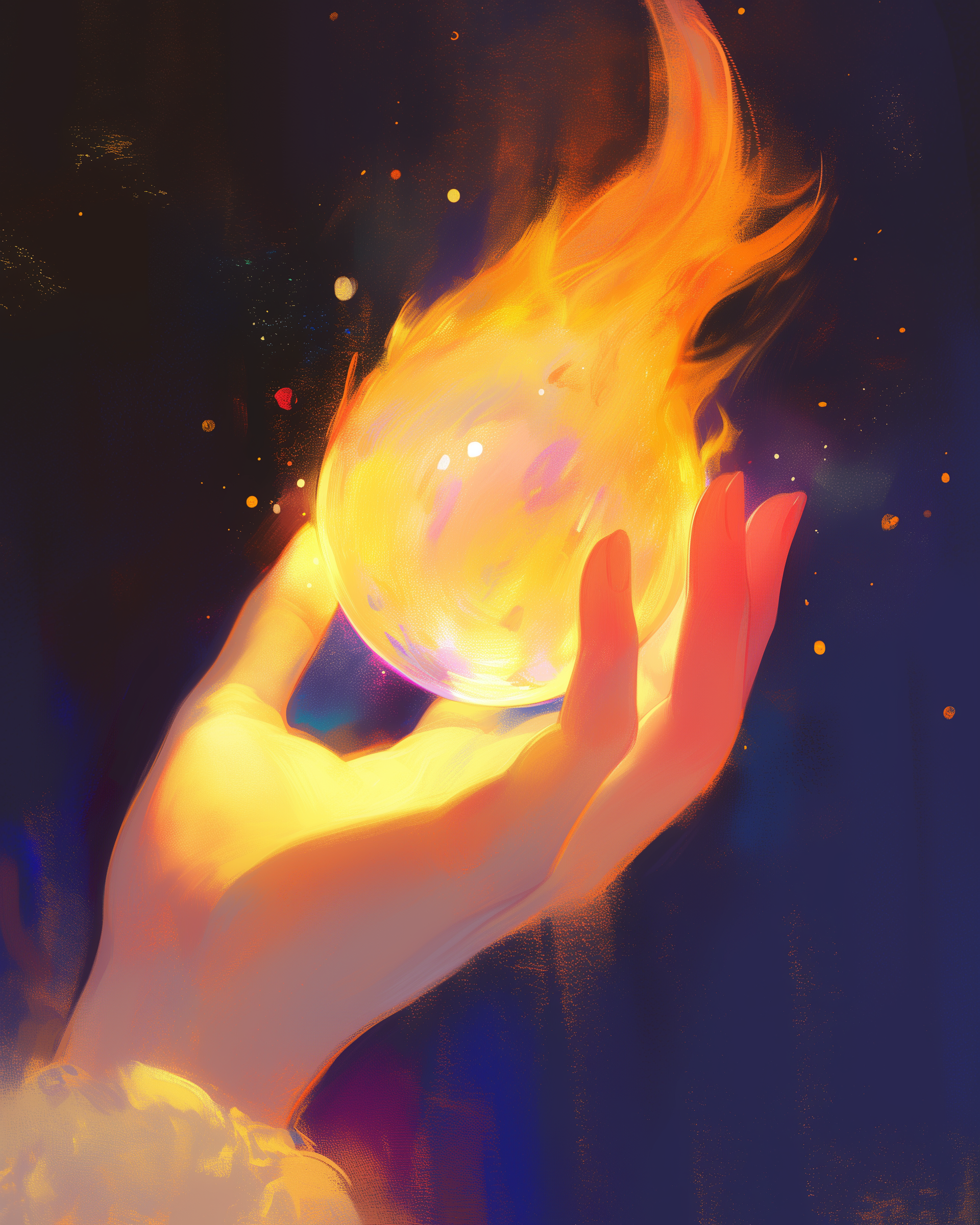
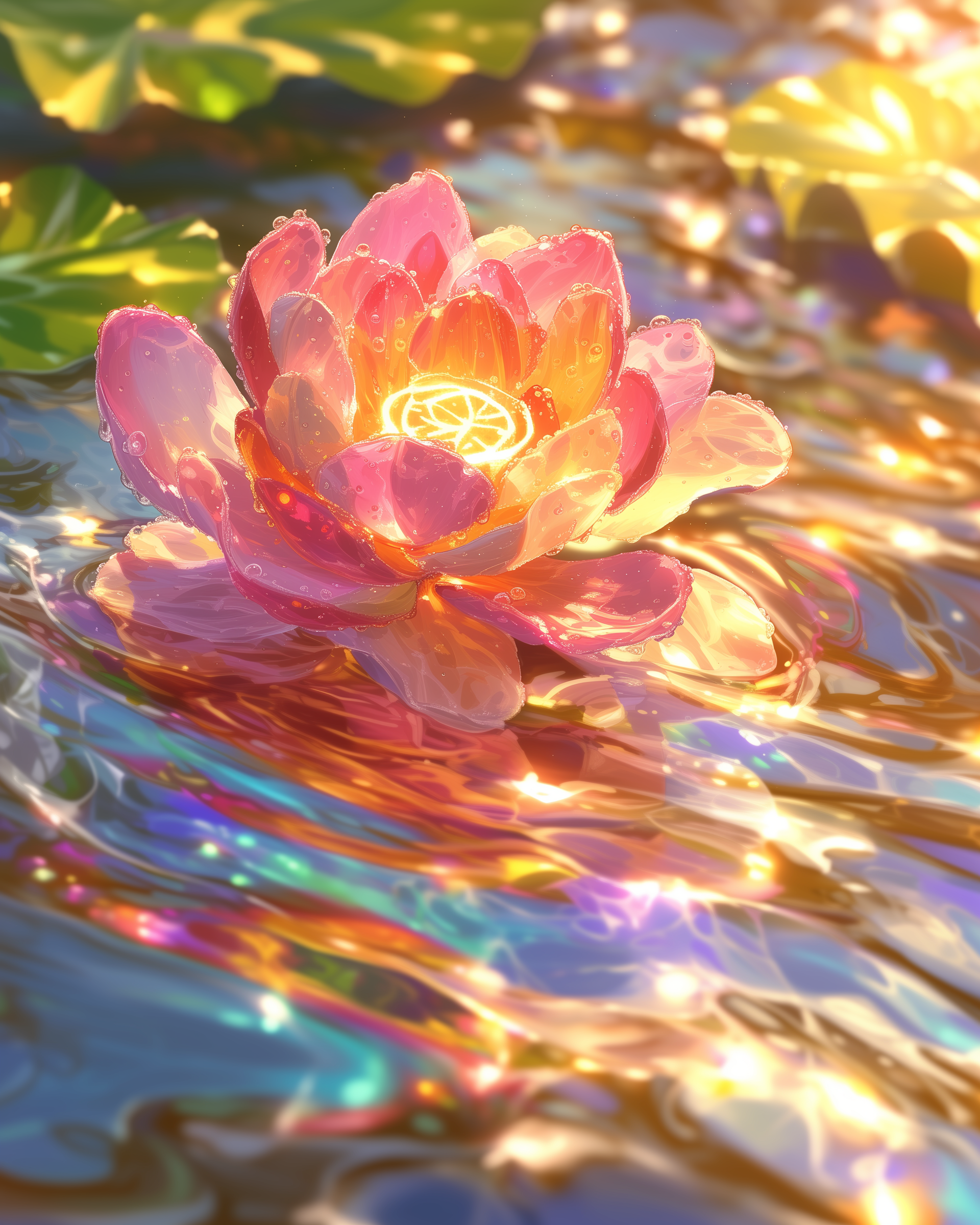
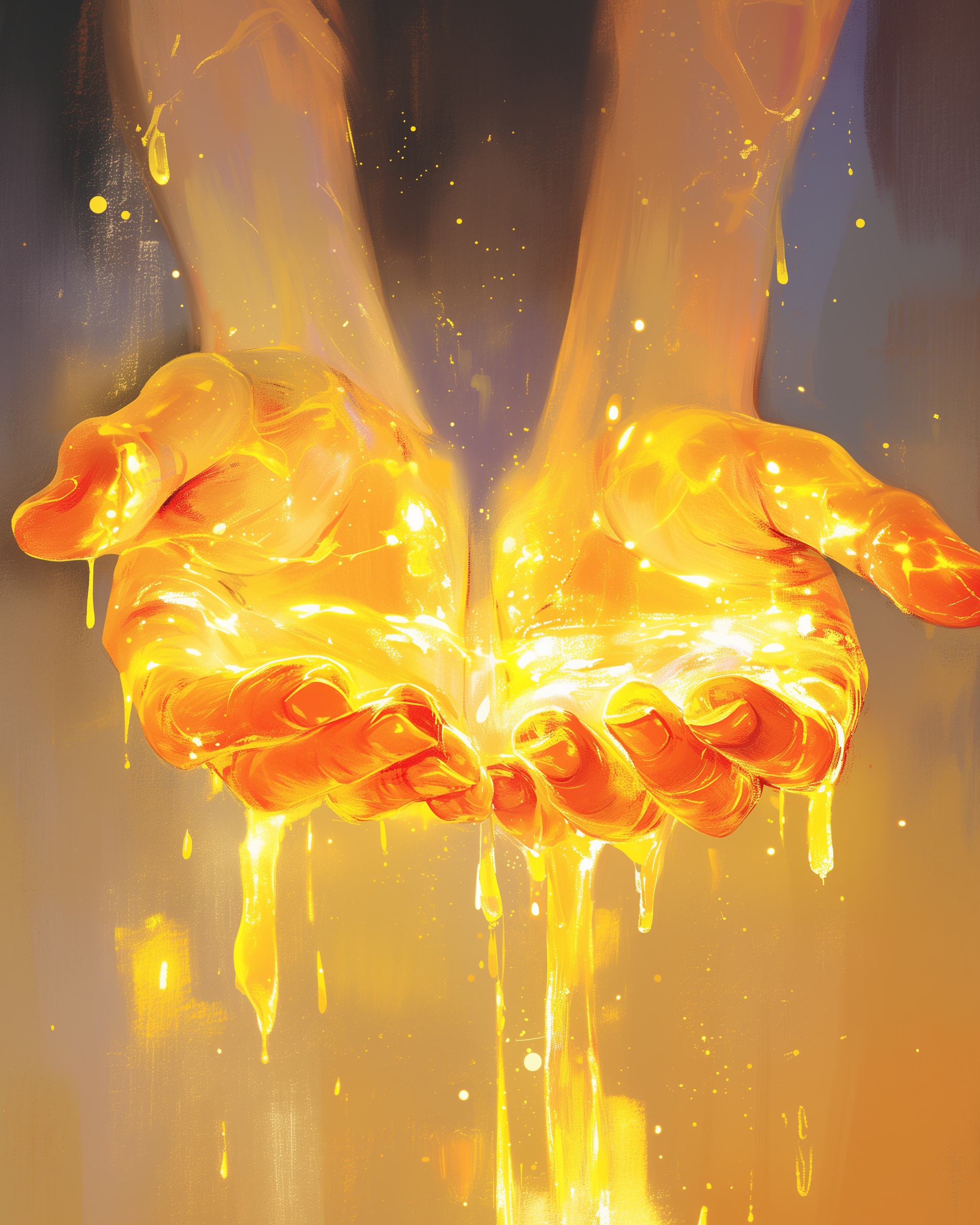
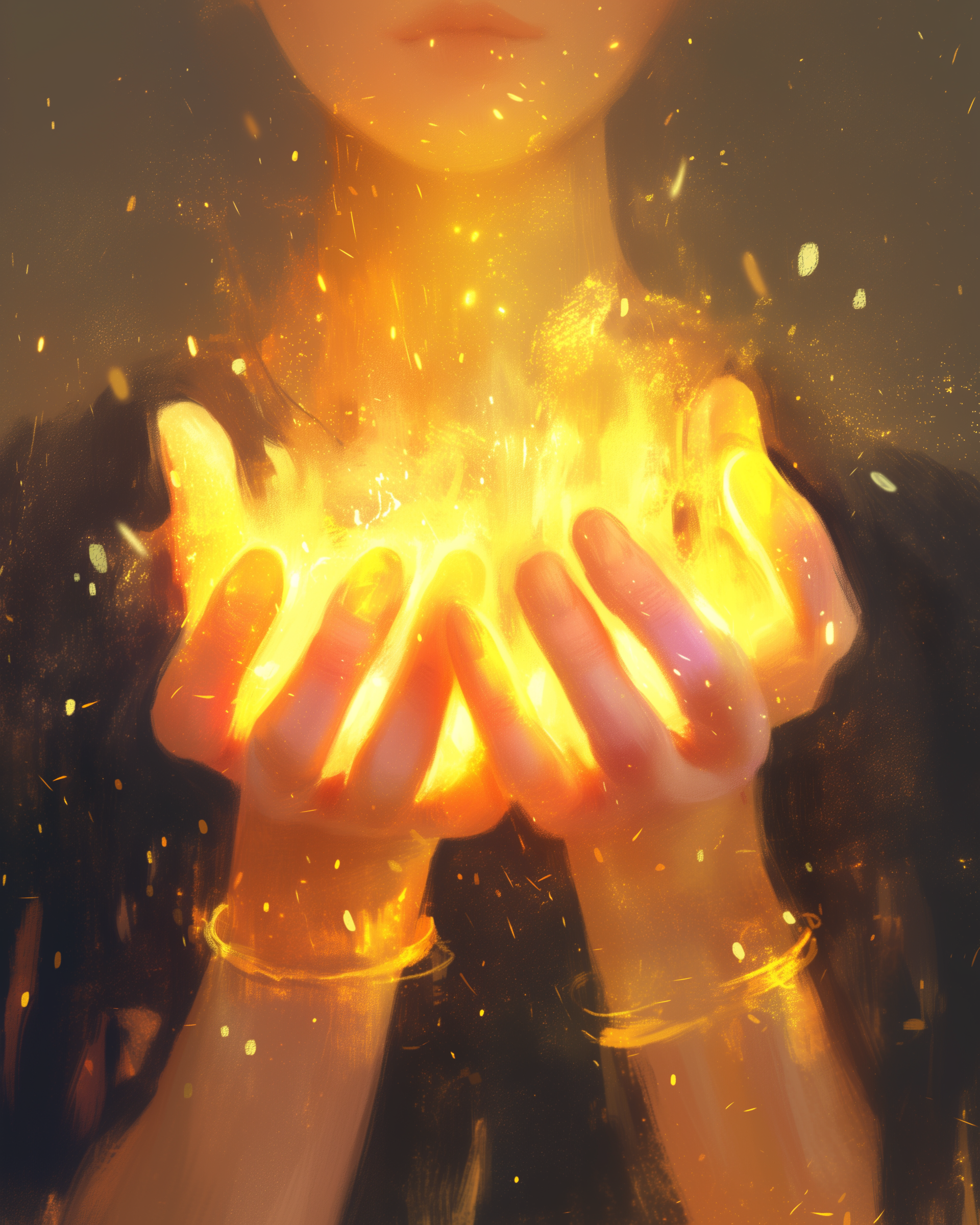
The Solar Plexus Chakra, known as Manipura in Sanskrit and meaning “City of Jewels,” is the third primary chakra located in the upper abdomen above the navel and below the ribcage, serving as the center of personal power, confidence, self-worth, and willpower. Associated with the color yellow and the element of fire, this chakra governs self-esteem, motivation, emotional resilience, healthy boundaries, and the ability to pursue goals with determination while also influencing the digestive system, metabolism, and overall energy levels. When balanced, the solar plexus chakra promotes confidence, decisiveness, emotional control, and a strong sense of purpose; when imbalanced, it may lead to insecurity, low self-esteem, lack of motivation, digestive discomfort, or controlling and aggressive behaviors. Symbolized by a ten-petaled lotus and connected to the mantra “Ram,” the solar plexus chakra can be strengthened through meditation, affirmations, breathwork, physical movement, sunlight, and yellow-colored foods, helping individuals cultivate empowerment, inner strength, and alignment with their true potential.





The Heart Chakra
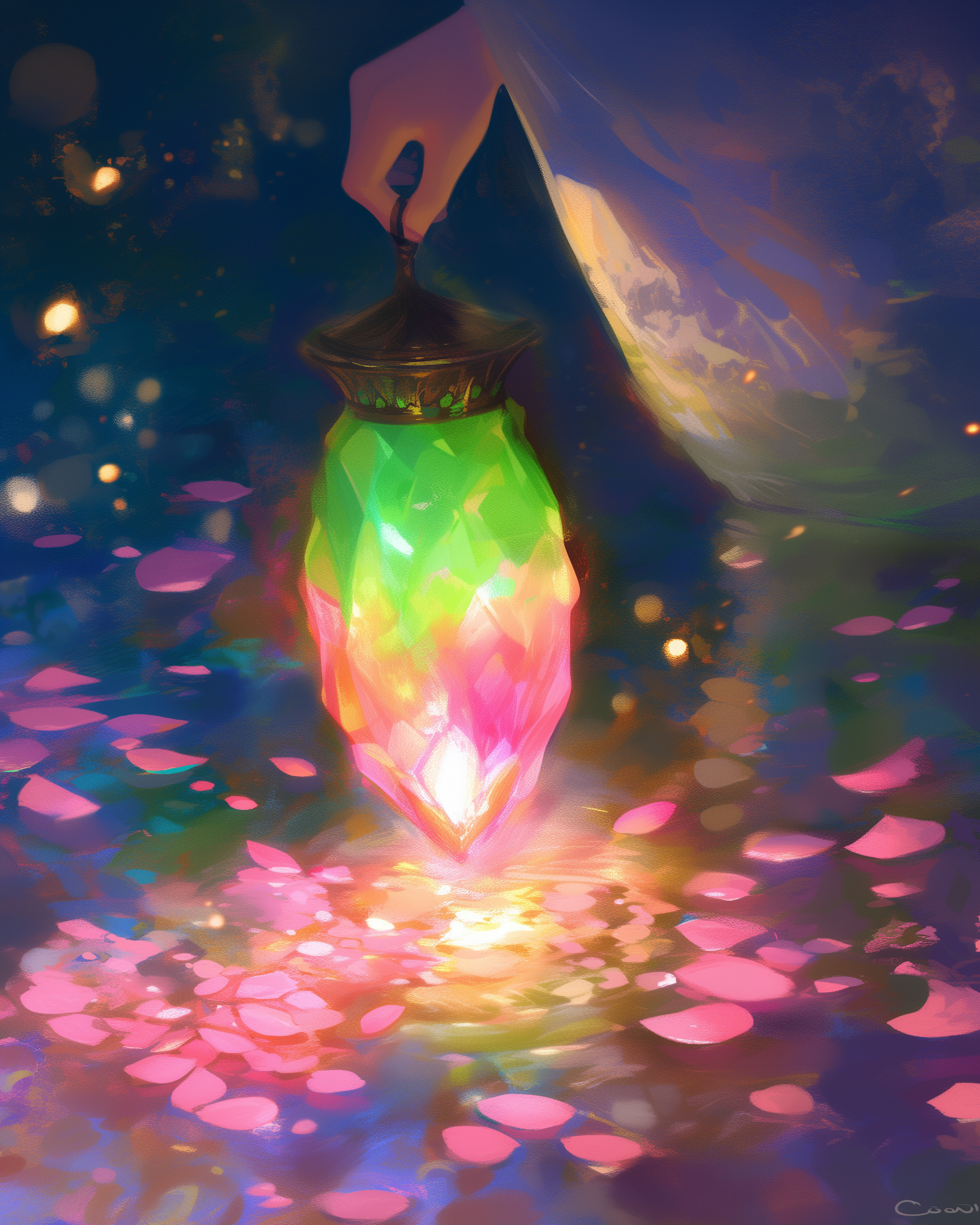
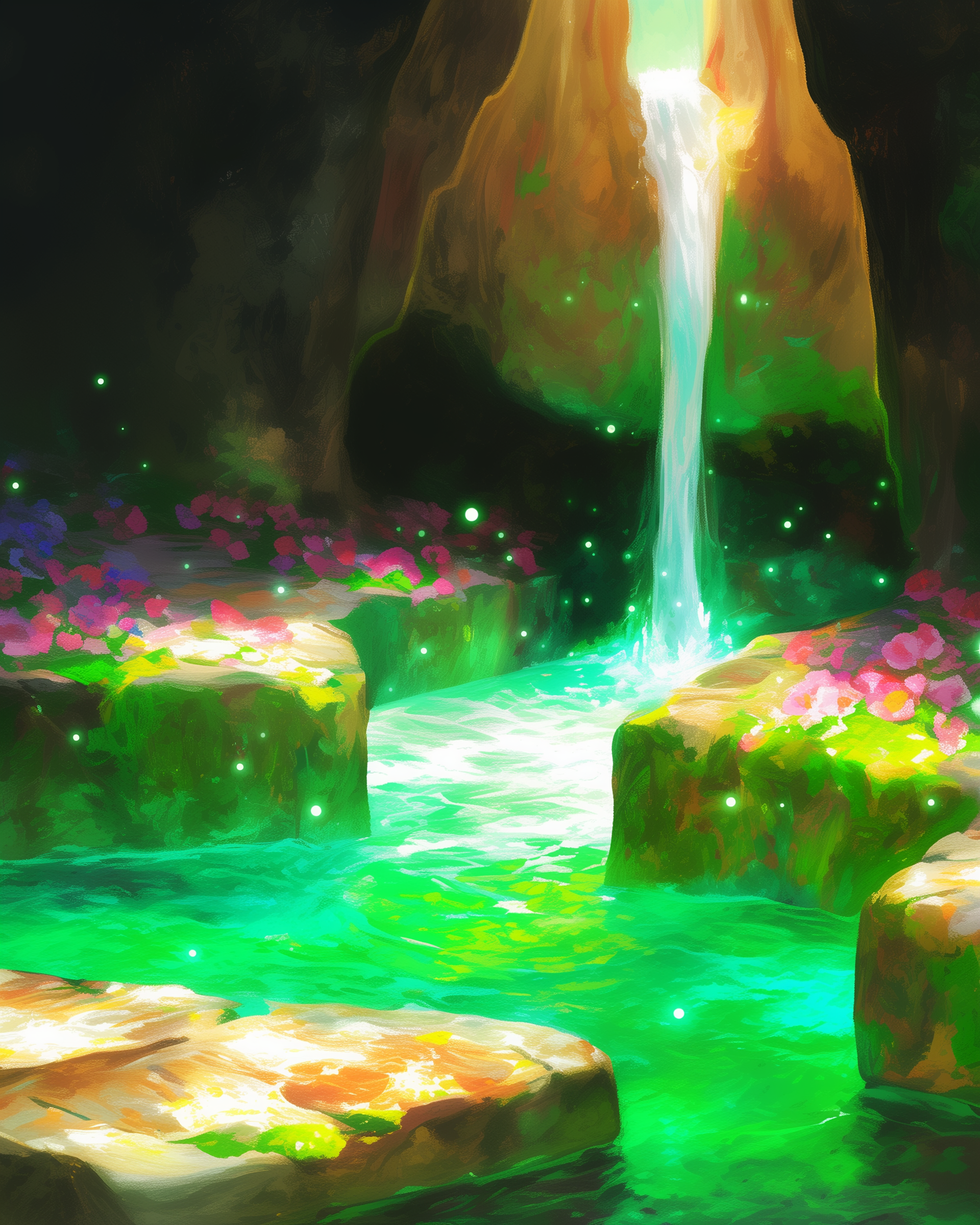
The Heart Chakra, known as Anahata in Sanskrit, is the fourth primary chakra located in the center of the chest and is regarded as the bridge between the lower physical chakras and the higher spiritual chakras, symbolizing the connection between earthly experience and higher consciousness. Associated with the color green, the element of air, and the mantra “Yam,” the heart chakra governs love, compassion, empathy, forgiveness, emotional healing, and meaningful connection with both oneself and others. When balanced, it encourages unconditional love, healthy relationships, emotional resilience, inner peace, and the ability to give and receive affection freely; when imbalanced, it may lead to loneliness, fear of intimacy, resentment, jealousy, emotional detachment, or overdependence on others. Symbolized by a twelve-petaled lotus with interlocking triangles representing harmony and unity, the heart chakra can be nurtured through meditation, affirmations, yoga, nature, acts of kindness, and heart-opening practices, helping individuals cultivate self-love, compassion, emotional harmony, and a deeper sense of spiritual interconnectedness.






The Throat Chakra
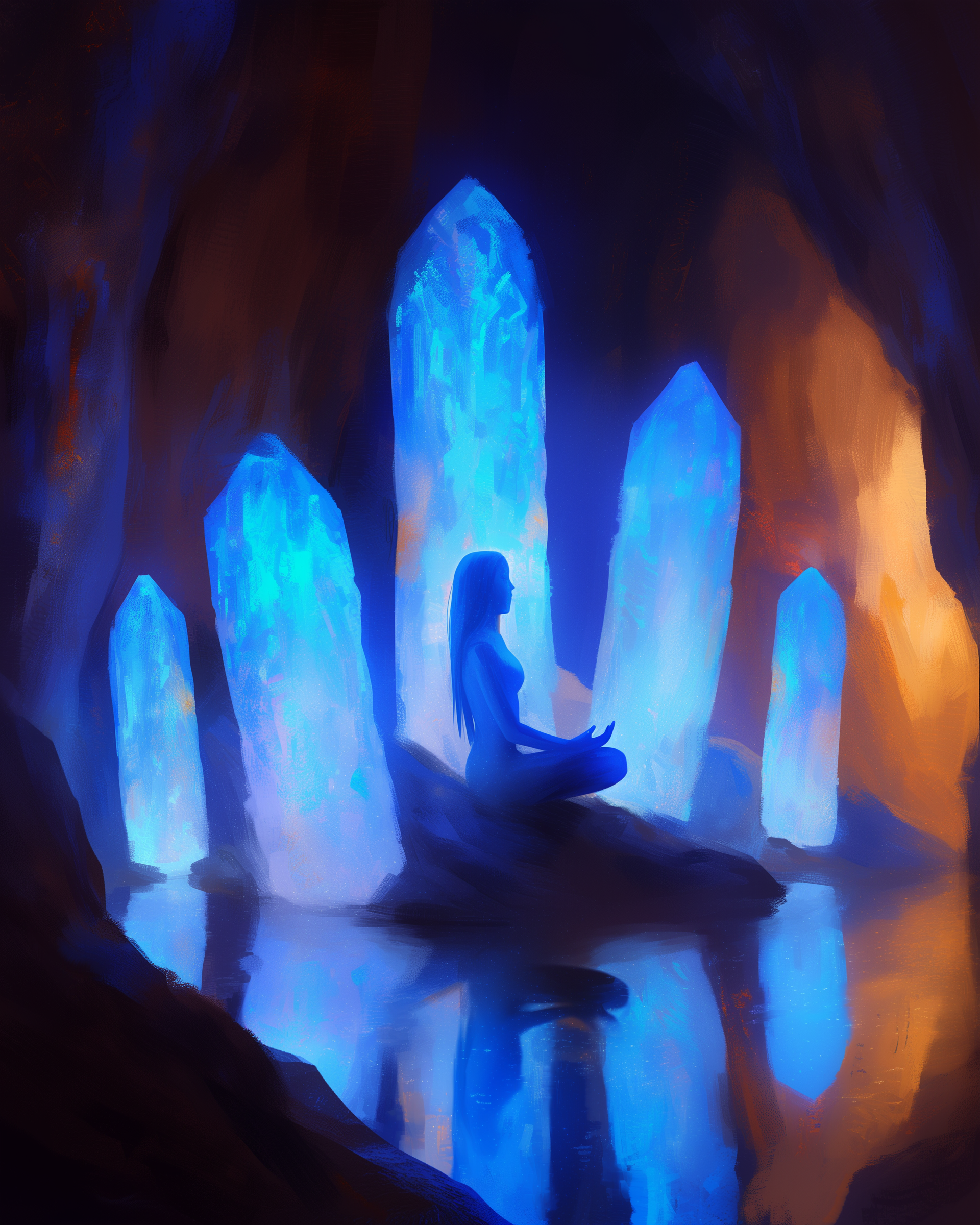
The Throat Chakra, known as Vishuddha in Sanskrit, is the fifth primary chakra located in the throat and serves as the center of communication, self-expression, truth, and authenticity. Associated with the color blue and the element of ether or space, the throat chakra governs one’s ability to speak honestly, express thoughts and emotions clearly, listen effectively, and communicate with confidence and integrity. When balanced, it encourages open communication, creativity, honesty, and the courage to speak one’s truth; when imbalanced, it may lead to fear of speaking, difficulty expressing feelings, dishonesty, social anxiety, or excessive talking without listening. Symbolized by a sixteen-petaled lotus and connected to the mantra “Ham,” the throat chakra can be strengthened through mindful communication, journaling, singing, affirmations, meditation, and creative self-expression, helping individuals live more authentically and communicate with clarity and confidence.






The Third Eye Chakra
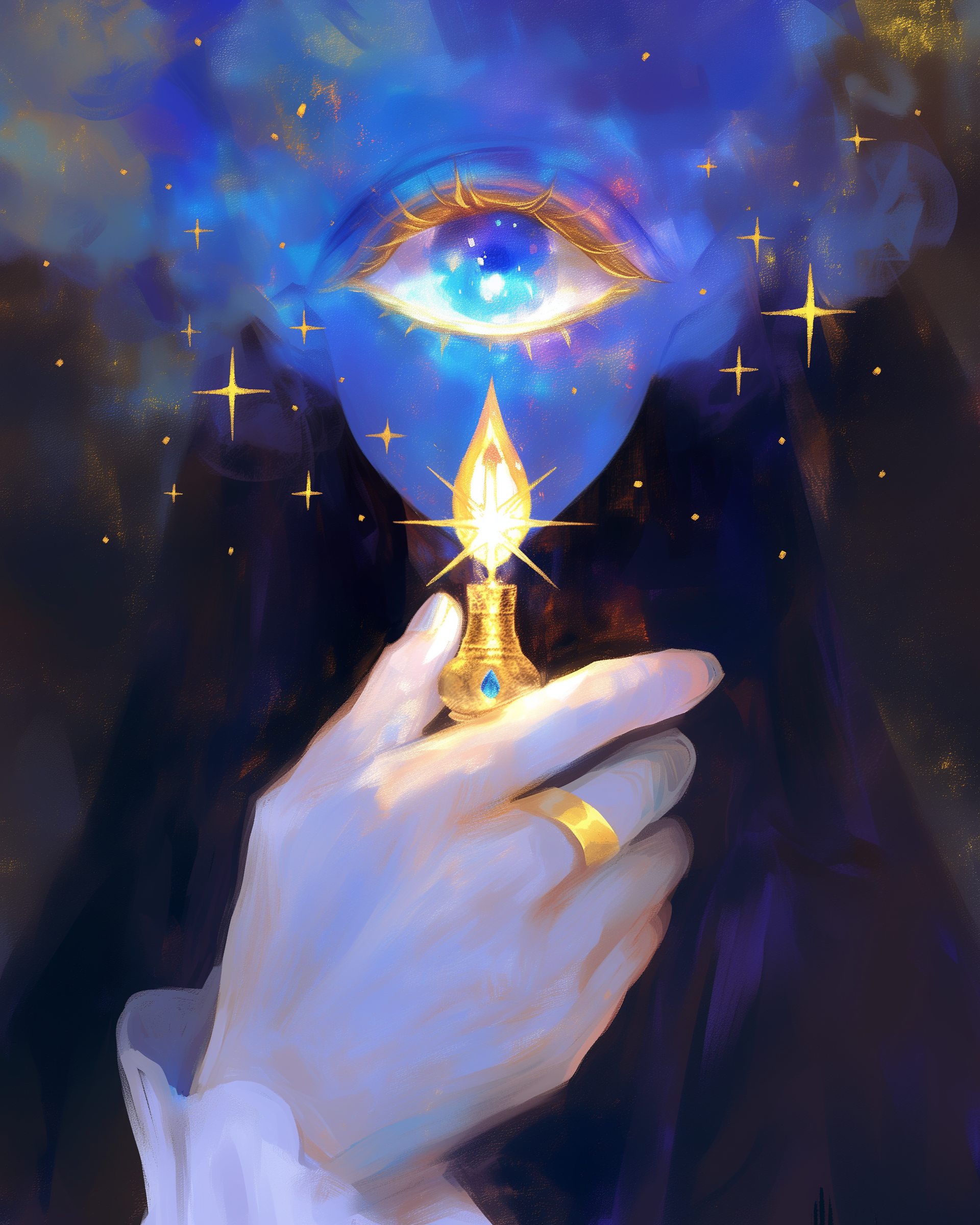
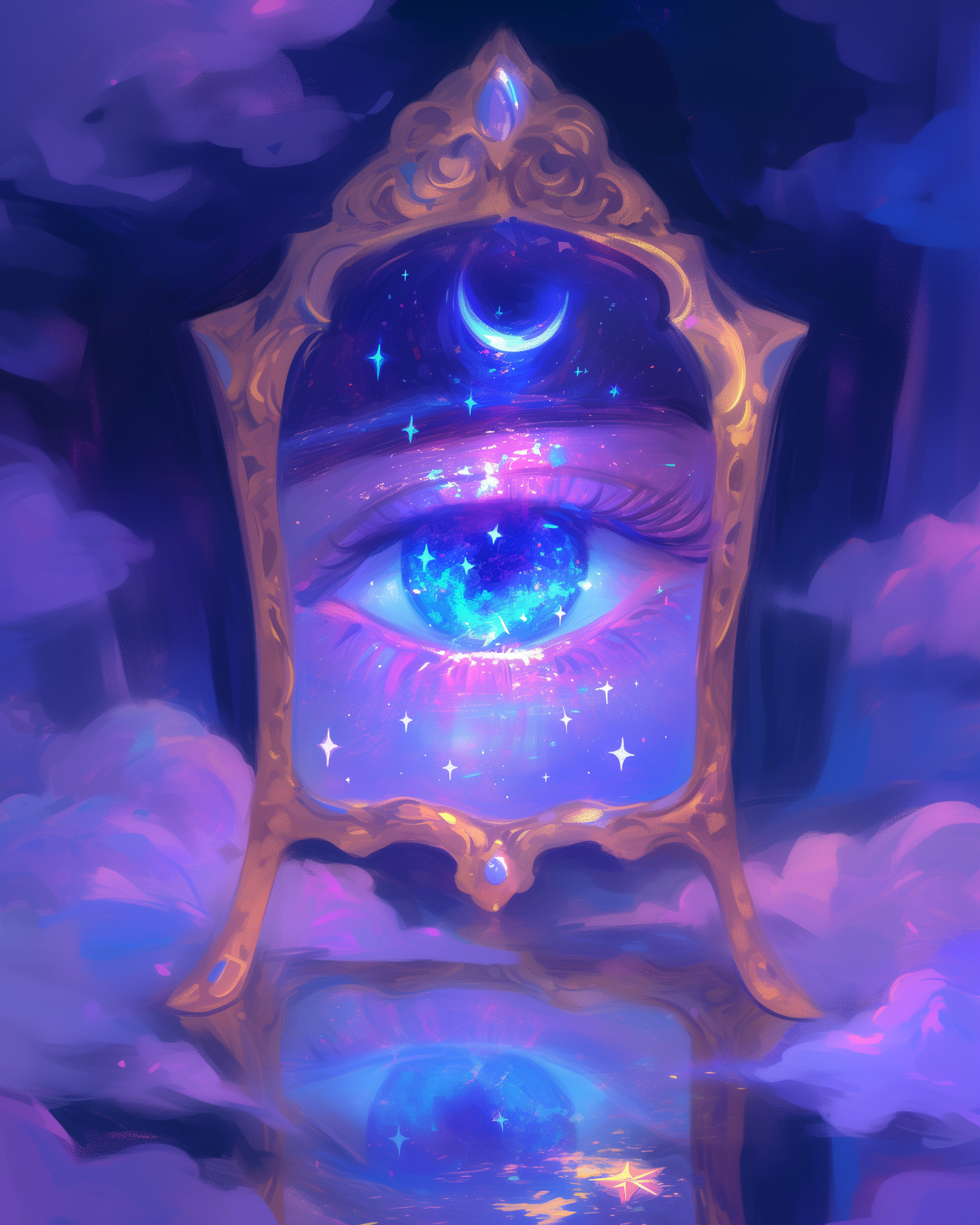
The Third Eye Chakra, known as Ajna in Sanskrit, is the sixth primary chakra located in the center of the forehead between the eyebrows and is associated with intuition, wisdom, perception, and inner insight. Represented by the color indigo and linked to the element of light, the third eye chakra governs imagination, spiritual awareness, mental clarity, and the ability to trust one’s intuition and perceive deeper truths beyond the physical world. When balanced, it enhances intuition, self-awareness, creativity, discernment, and inner wisdom; when imbalanced, it may lead to confusion, lack of direction, poor judgment, mental fog, or disconnection from intuition. Symbolized by a two-petaled lotus and connected to the mantra “Om,” the third eye chakra can be nurtured through meditation, visualization, mindfulness, dream work, and reflective practices, helping individuals deepen their spiritual understanding and strengthen their connection to inner guidance.





The Crown Chakra
The Crown Chakra, known as Sahasrara in Sanskrit, is the seventh and highest primary chakra located at the top of the head and is associated with spiritual connection, enlightenment, higher consciousness, and divine awareness. Represented by the colors violet or white and linked to thought and universal energy, the crown chakra governs wisdom, inner peace, spiritual understanding, and the sense of connection to something greater than oneself. When balanced, it fosters clarity, deep spiritual awareness, inner fulfillment, and a profound sense of purpose and unity with the universe; when imbalanced, it may lead to feelings of disconnection, lack of purpose, spiritual confusion, or emotional emptiness. Symbolized by a thousand-petaled lotus and connected to silence or the mantra “Om,” the crown chakra can be strengthened through meditation, prayer, mindfulness, spiritual study, and contemplative practices, helping individuals cultivate enlightenment, transcendence, and a deeper connection to the divine.