From a Spark to a Masterpiece: How I Build an AI Art Concept
Every finished image begins with a simple idea.
Sometimes it starts with a color, a character, a feeling, or a single visual detail. It might be a woman standing beneath glowing stars, a black cat surrounded by pumpkins, an anime-inspired hero in a sparkling city, or a peaceful fantasy landscape filled with soft light.
The original idea may only be a sentence long, but turning it into a complete visual concept takes thought, experimentation, and creative direction.
Here is a closer look at how I develop an AI art idea from its earliest stage into a polished concept.
Starting With the Main Idea
The first step is deciding what the image is really about.
A strong concept usually needs a clear subject, setting, emotion, and visual style. Instead of beginning with every small detail, I first focus on the main feeling I want the artwork to create.
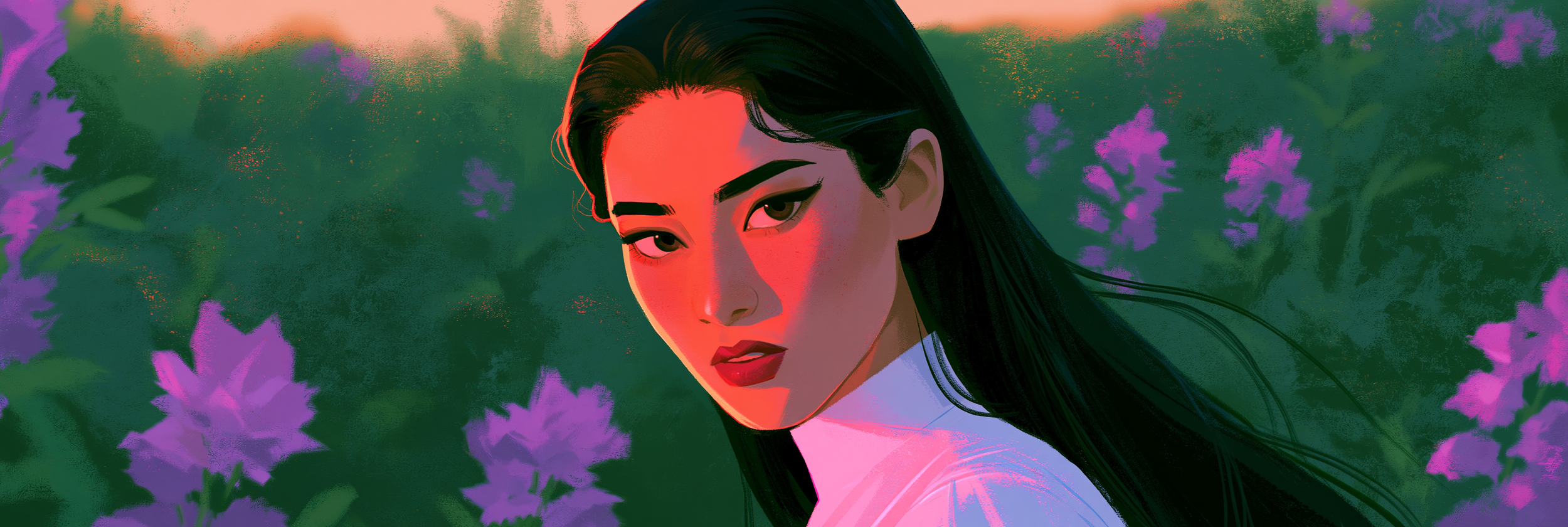
-
A woman standing in a garden at sunset, simple composition, soft natural light, light breeze, basic floral background, elegant but minimal outfit, calm expression, clean and understated illustration, gentle colors, early concept art feel, less detailed than a finished piece, visually simple and clear.
Should the image feel dreamy, mysterious, romantic, dramatic, playful, or powerful?
That emotional direction shapes every decision that follows.
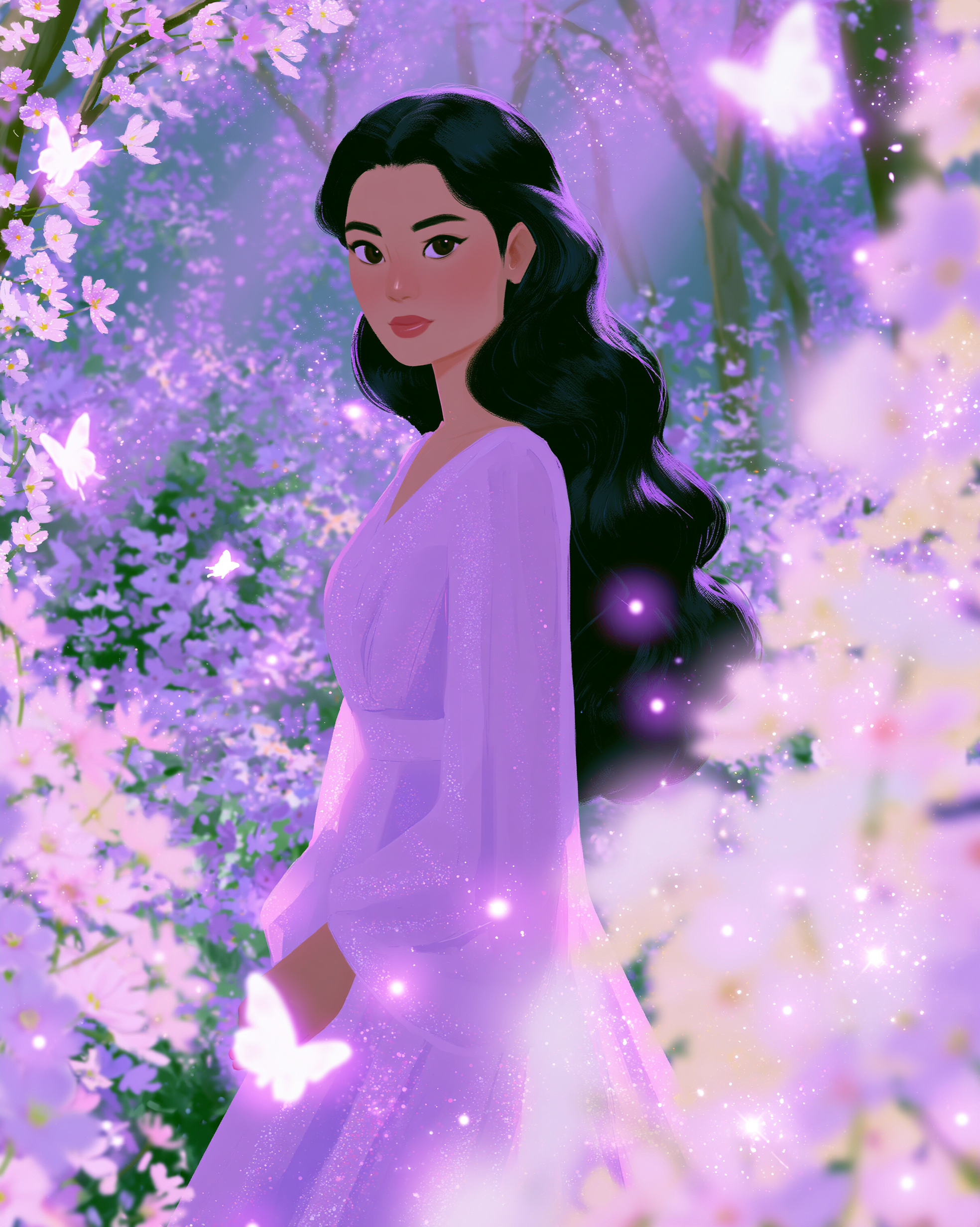
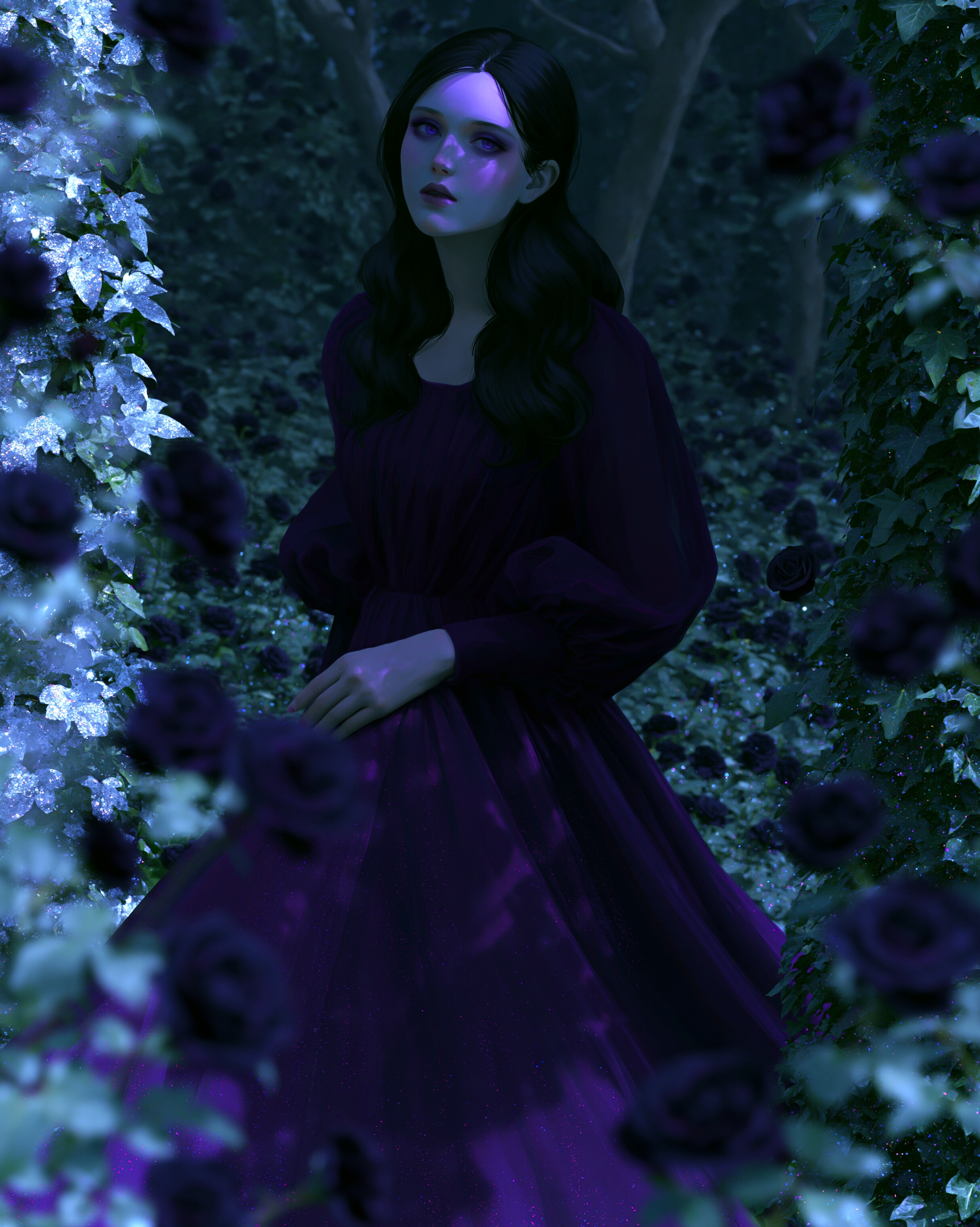
For example, a simple idea like “a woman in a garden” could become many different images. She could be standing in a bright spring garden filled with butterflies, walking through a dark gothic garden at midnight, or sitting beneath glowing flowers in a magical fantasy world.
Mood Experiment – Version 1: Bright Pastel Garden
Mood Experiment – Version 2: Gothic Moonlit Garden
Mood Experiment – Version 3: Magical Neon Garden
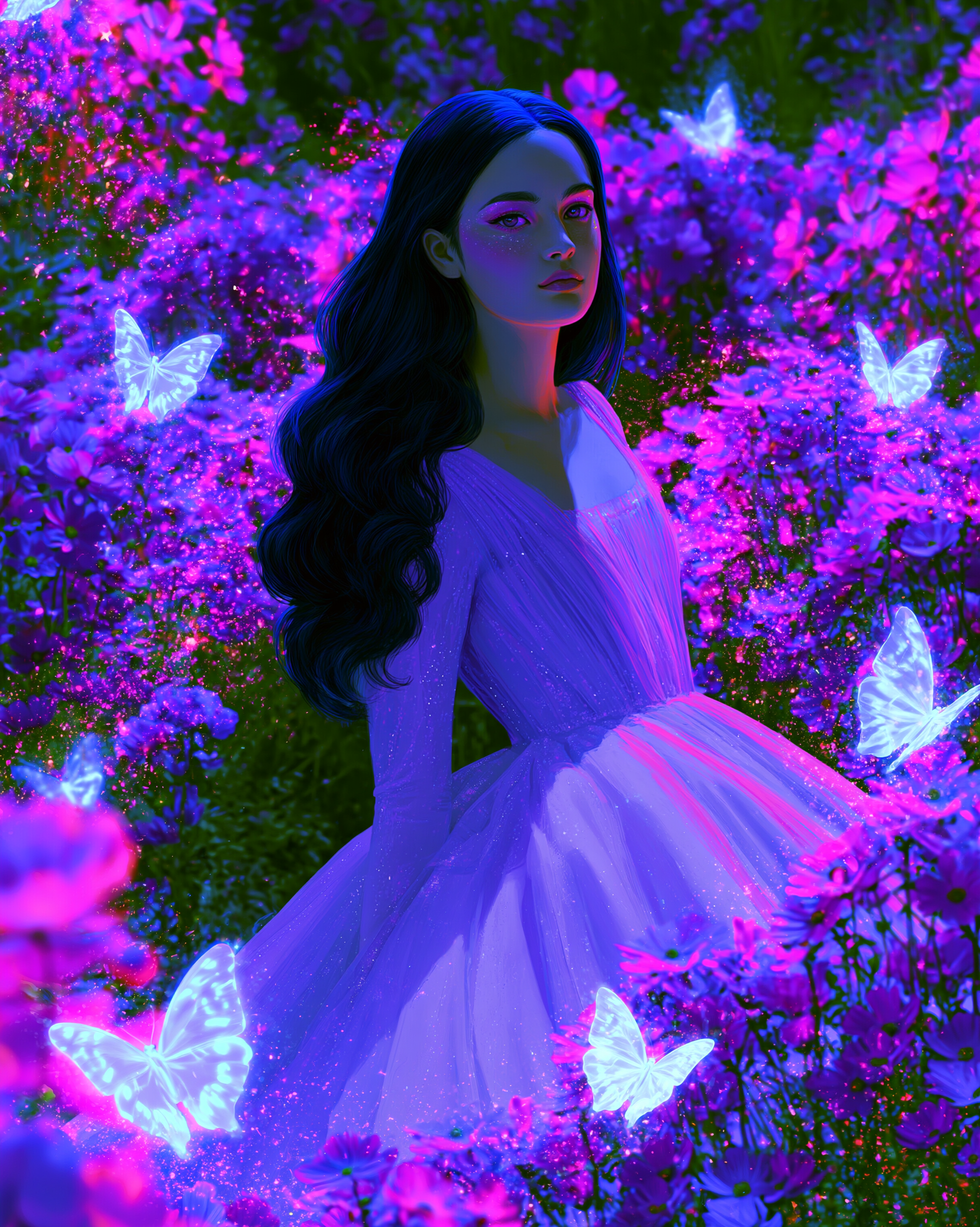
The subject may stay the same, but the mood changes the entire concept.
Choosing the Visual Style
Once the main idea is clear, I decide how the image should look.
Some concepts work best as realistic illustrations, while others feel more natural as anime art, fantasy paintings, cinematic portraits, or editorial fashion images.
The visual style affects the lighting, textures, poses, clothing, background, and level of detail.
A realistic portrait might focus on natural skin texture and photographic lighting. An anime-inspired image may use expressive features, dramatic movement, and sparkling effects. A fantasy illustration may include glowing environments, magical creatures, or impossible landscapes.
Choosing the right style helps give the artwork a clear identity.
Style Experiment – Realistic Illustration
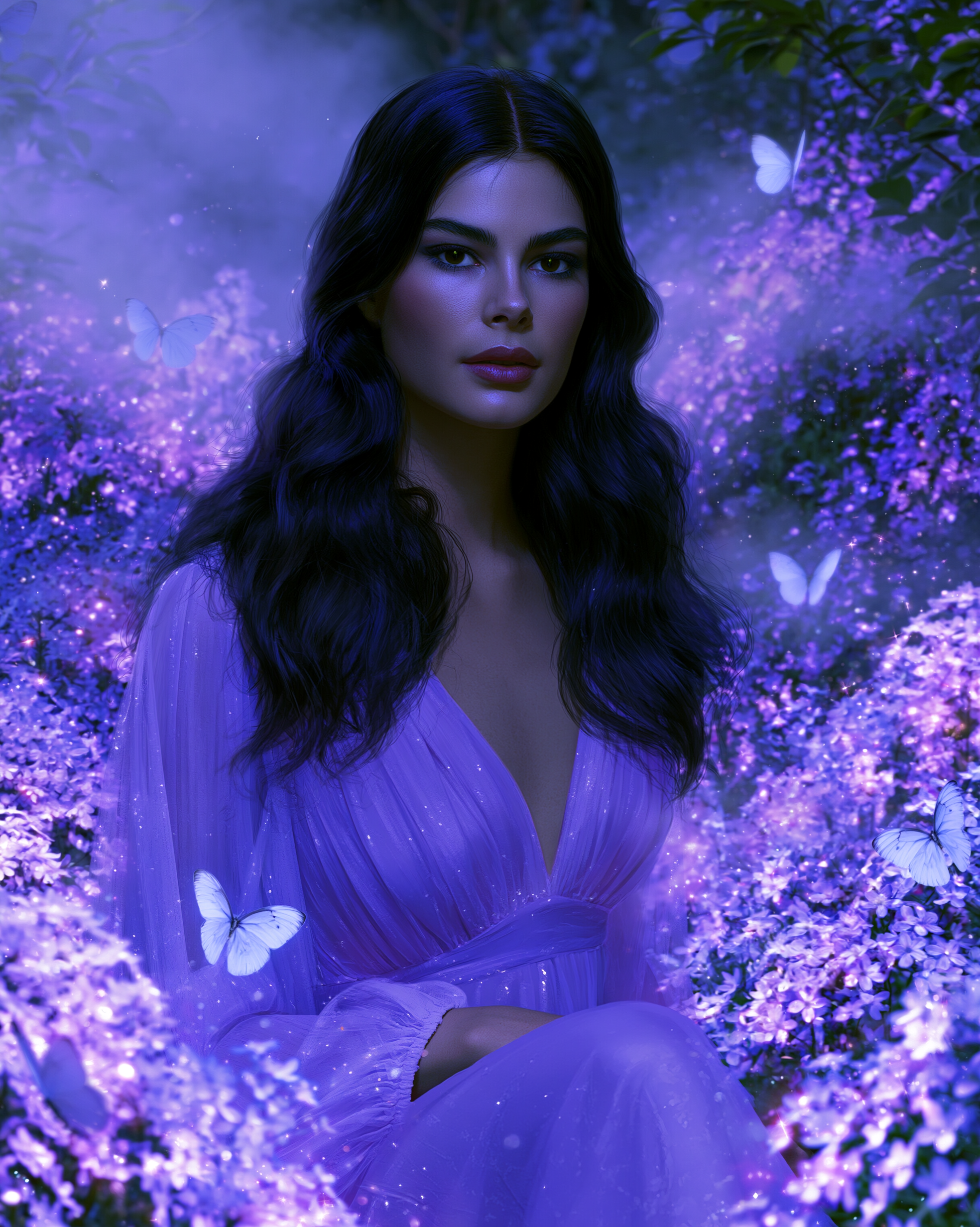
Style Experiment – Anime-Inspired Illustration
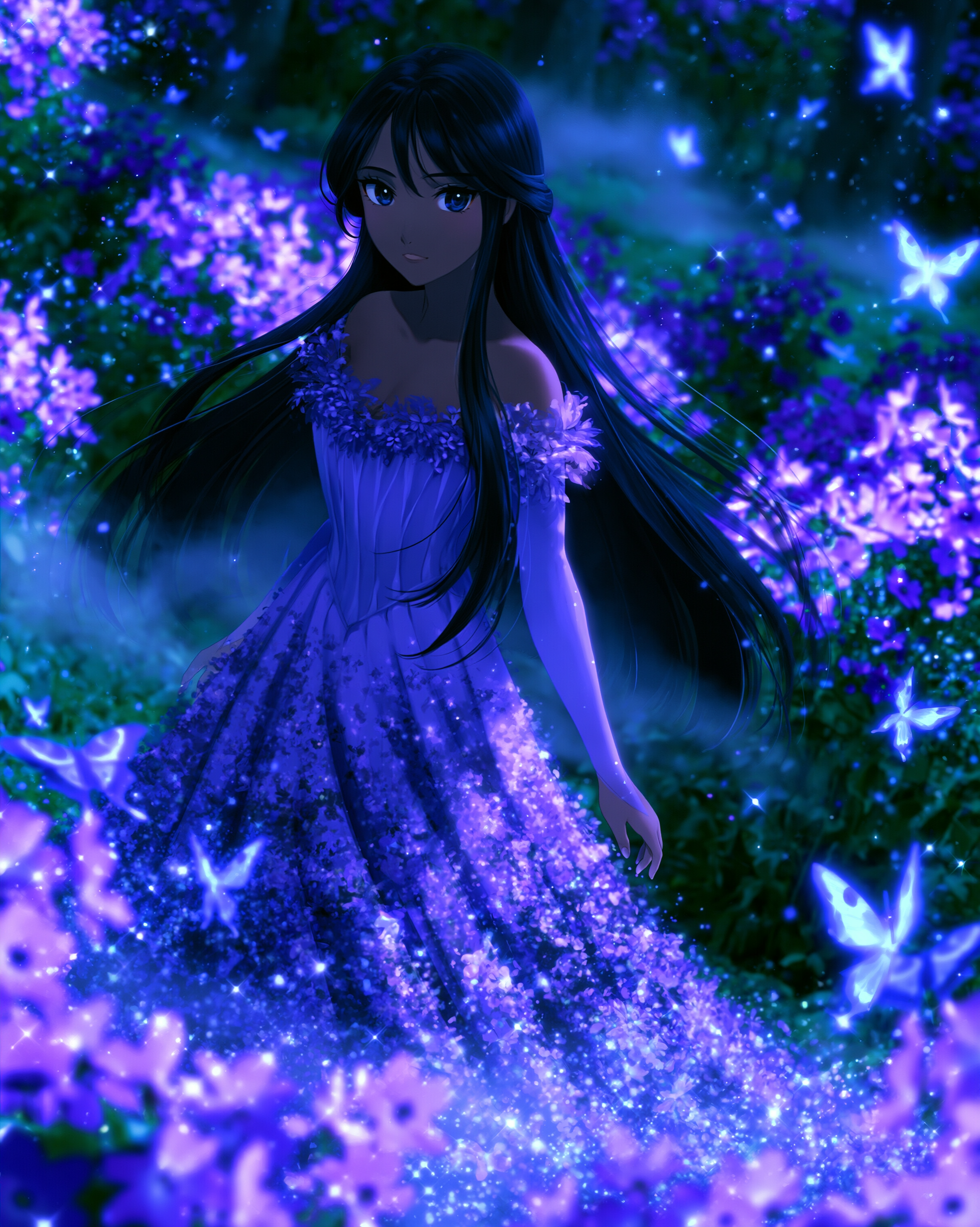
Style Experiment – Fantasy Painting
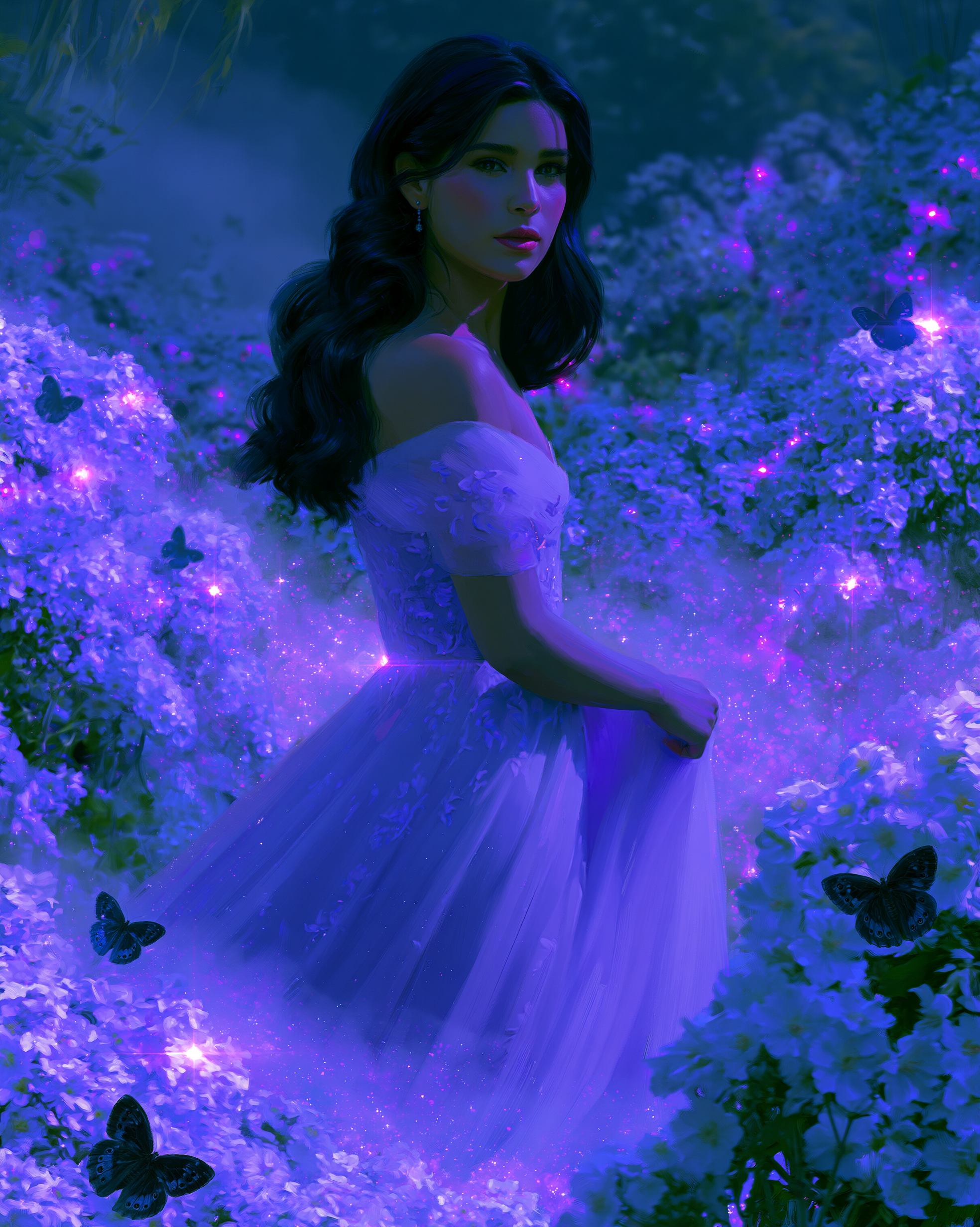
Style Experiment – Editorial Fashion Portrait
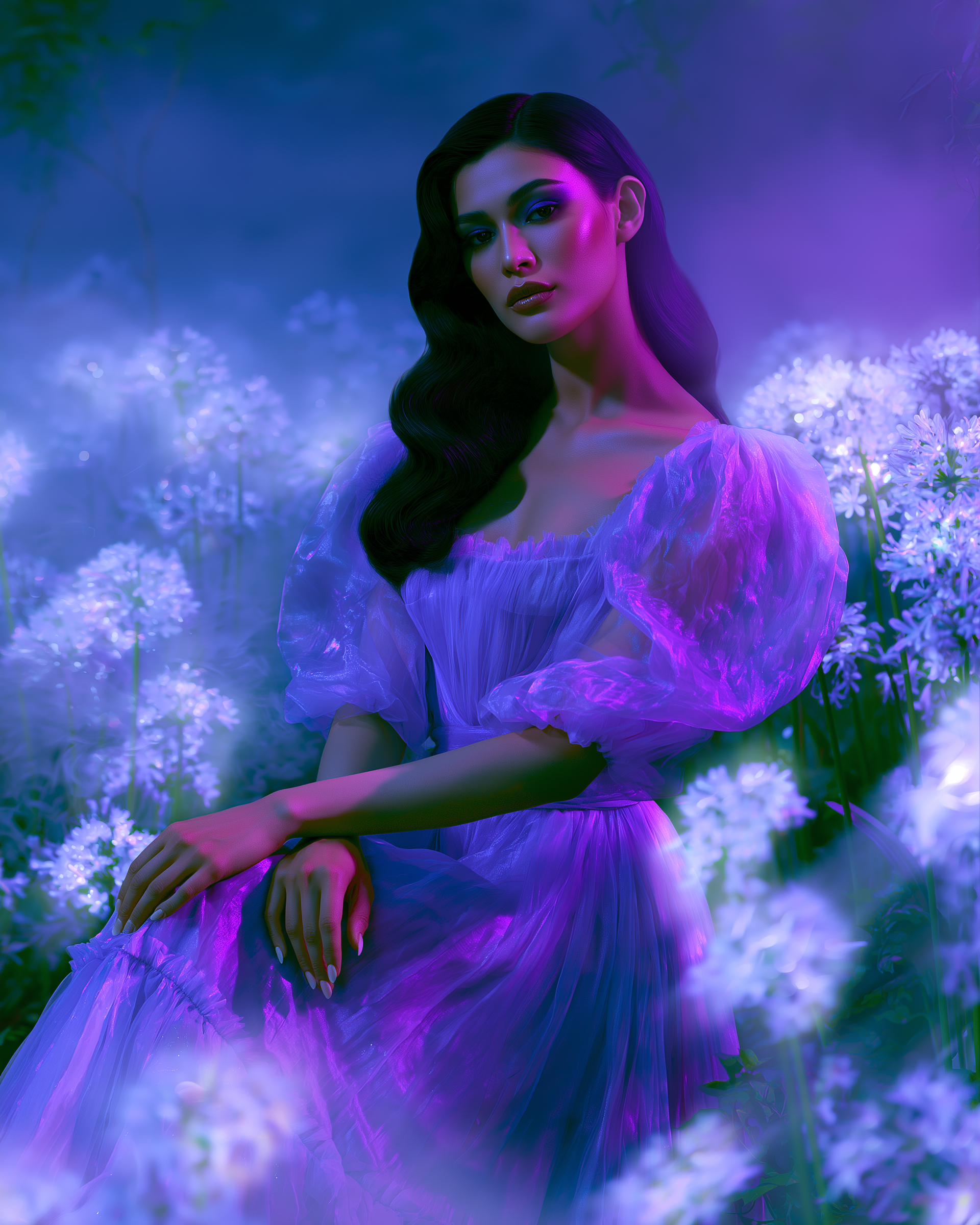
Building the Scene
The next step is developing the environment around the subject.
The background should support the idea instead of distracting from it. A good setting can make an image feel more immersive and help tell a story.
I think about details such as:
Where is the subject?
What time of day is it?
What is happening in the background?
Is the environment peaceful or dramatic?
Should the scene feel intimate or expansive?
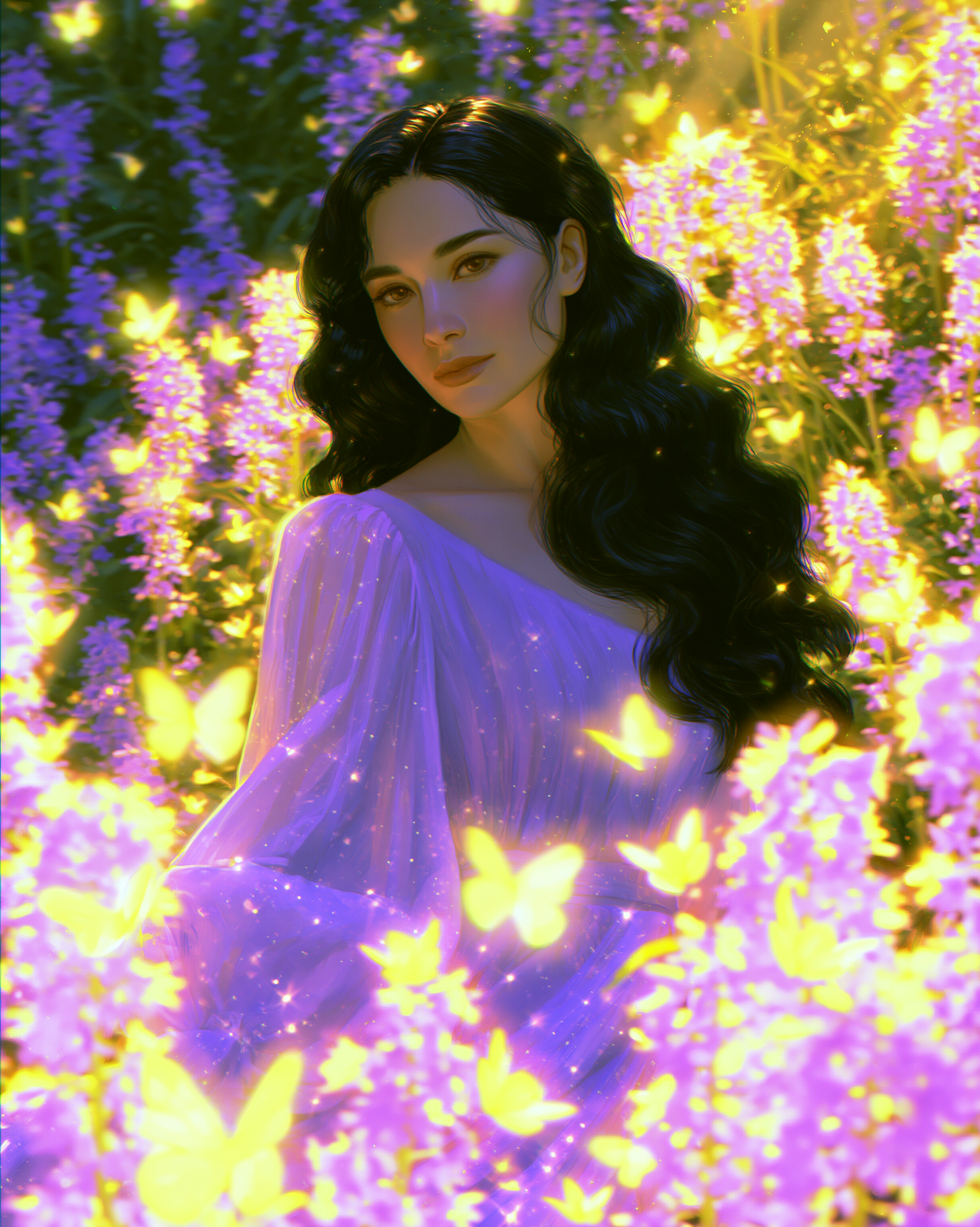
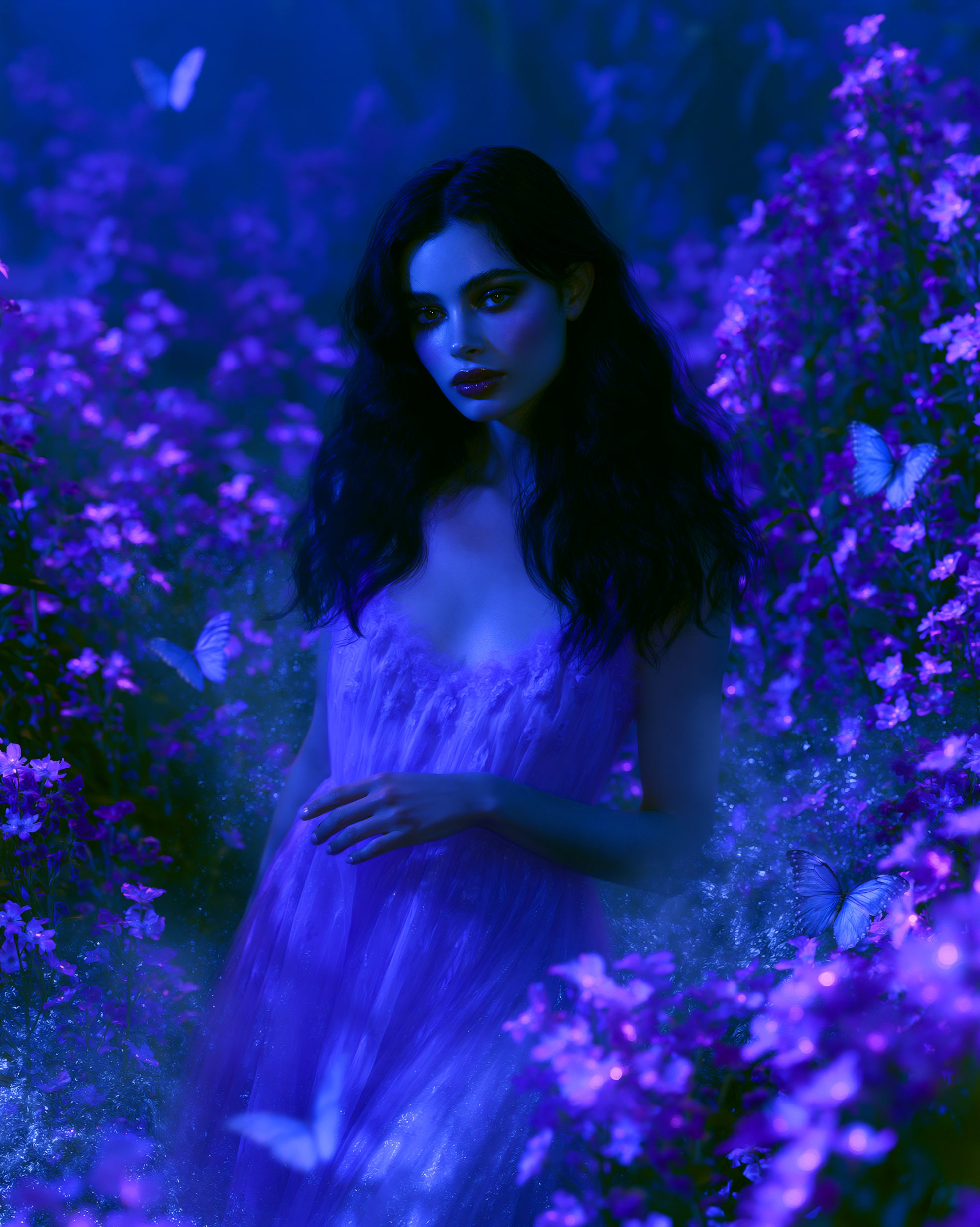
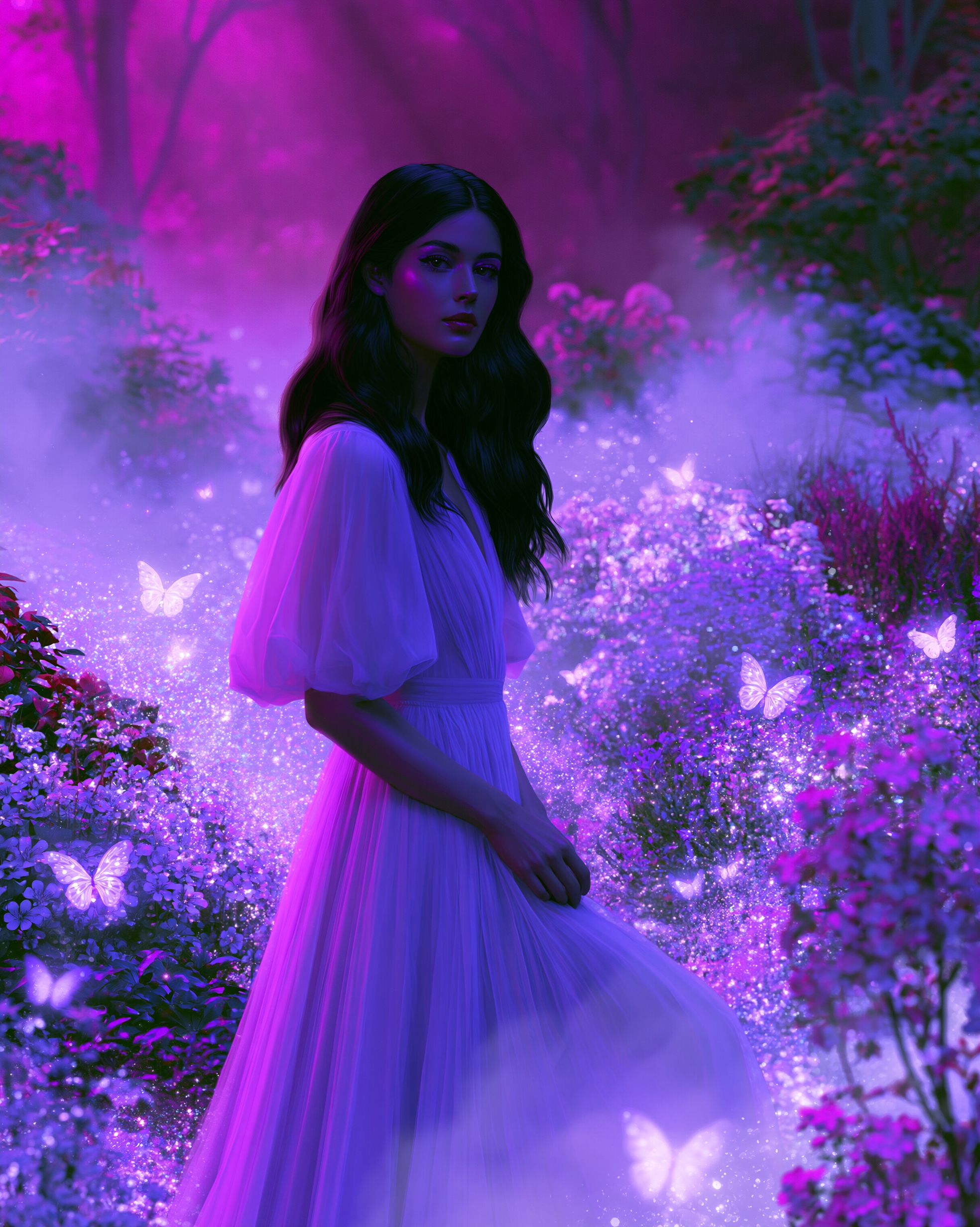
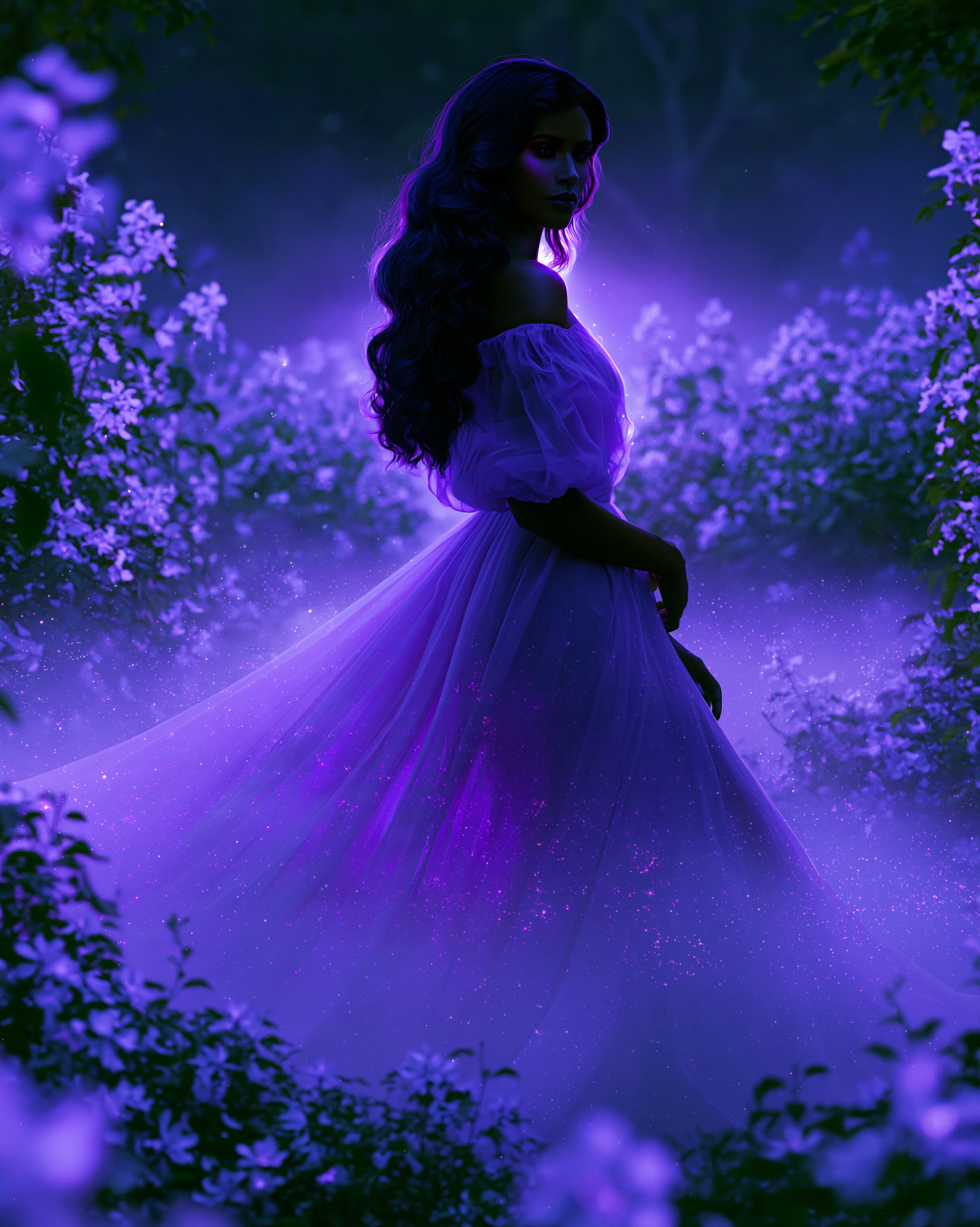
Lighting is especially important. Golden-hour sunlight can make an image feel warm and nostalgic, while moonlight can create mystery. Neon lighting may feel futuristic, and soft pastel light can create a dreamlike atmosphere.
Lighting Comparison – Golden Hour
Lighting Comparison – Blue Moonlight
Lighting Comparison – Pink and Purple Dream Light
Lighting Comparison – Dramatic Backlighting
Even small choices can completely change the final result.
Adding Character Details
After the scene is established, I begin refining the subject.
This can include clothing, hairstyle, facial expression, pose, accessories, and movement. These details help communicate personality and emotion.
A confident character may stand upright and look directly toward the viewer. A quieter image may show someone looking away, sitting alone, or interacting gently with the environment.
Clothing also plays an important role. A flowing gown creates a very different mood than a tailored suit, casual outfit, fantasy armor, or anime-inspired uniform.
The goal is to make every detail feel connected to the original concept.
Finding the Right Camera Angle
Camera direction can make an ordinary idea feel much more creative.
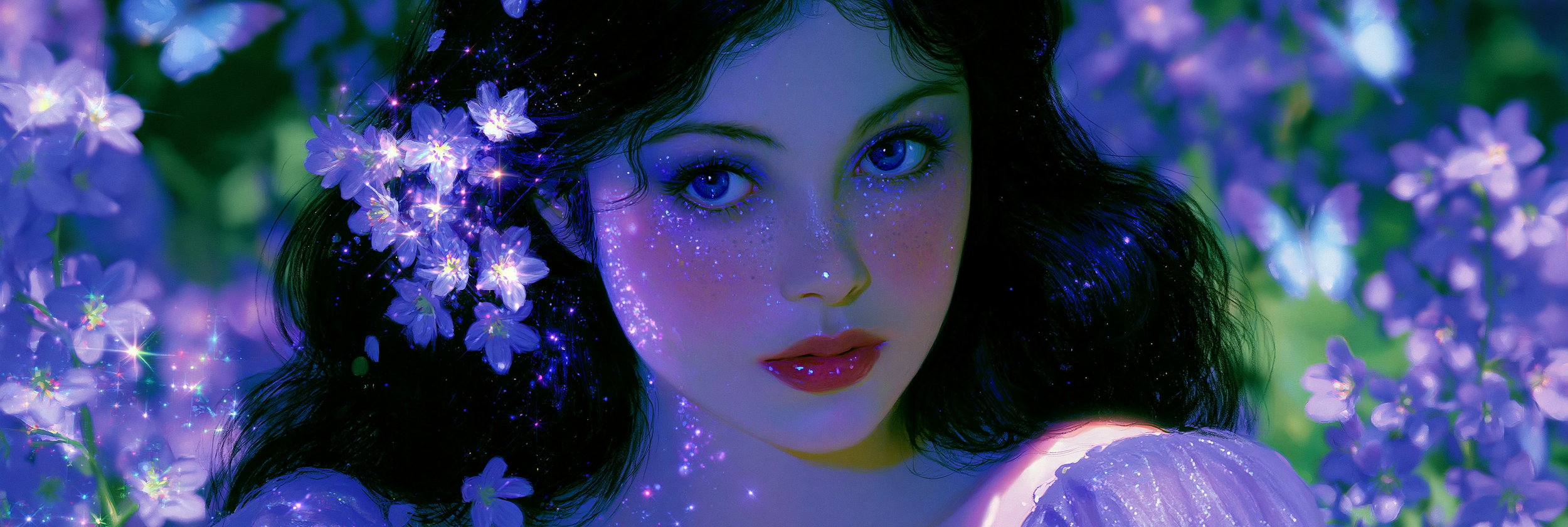
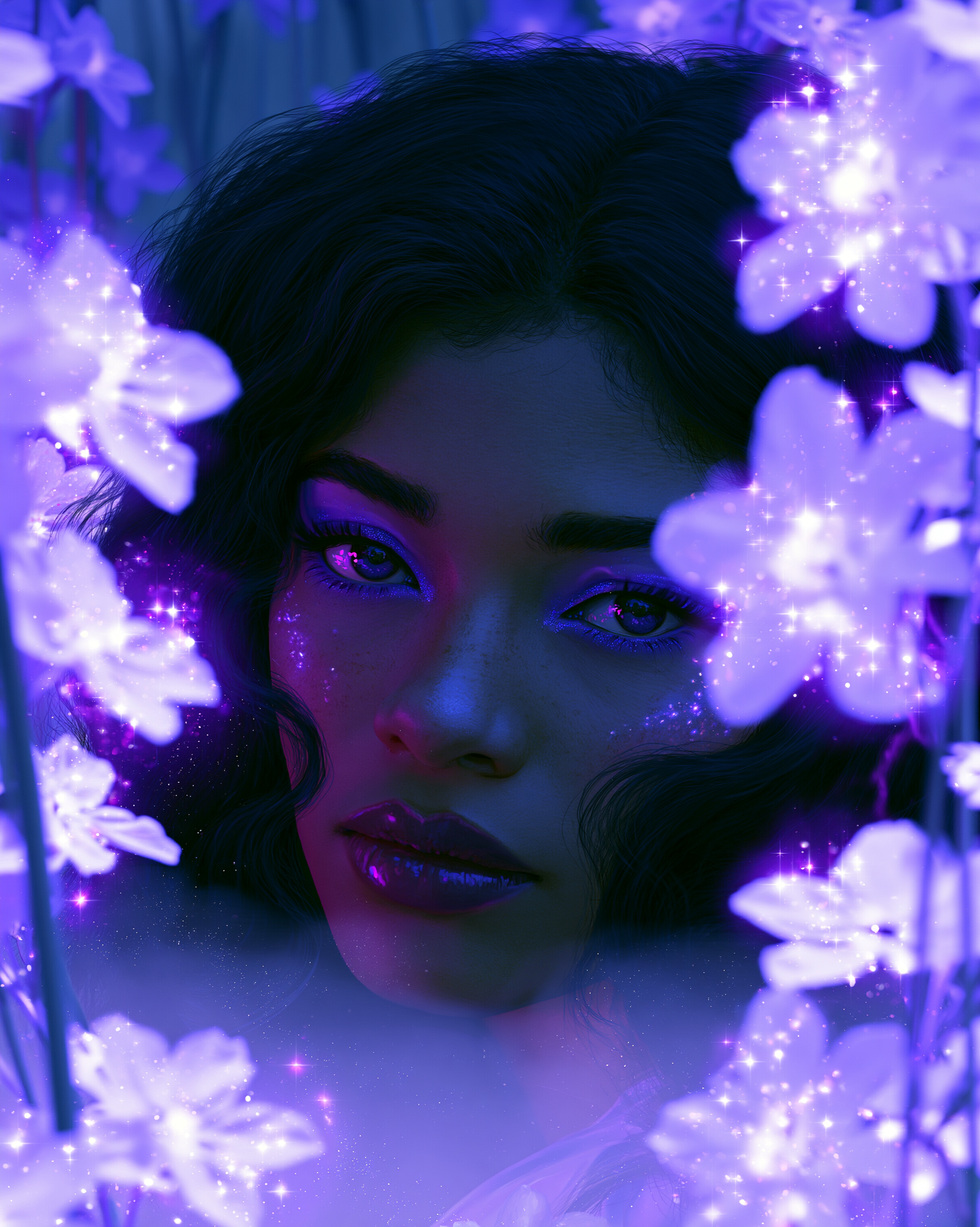
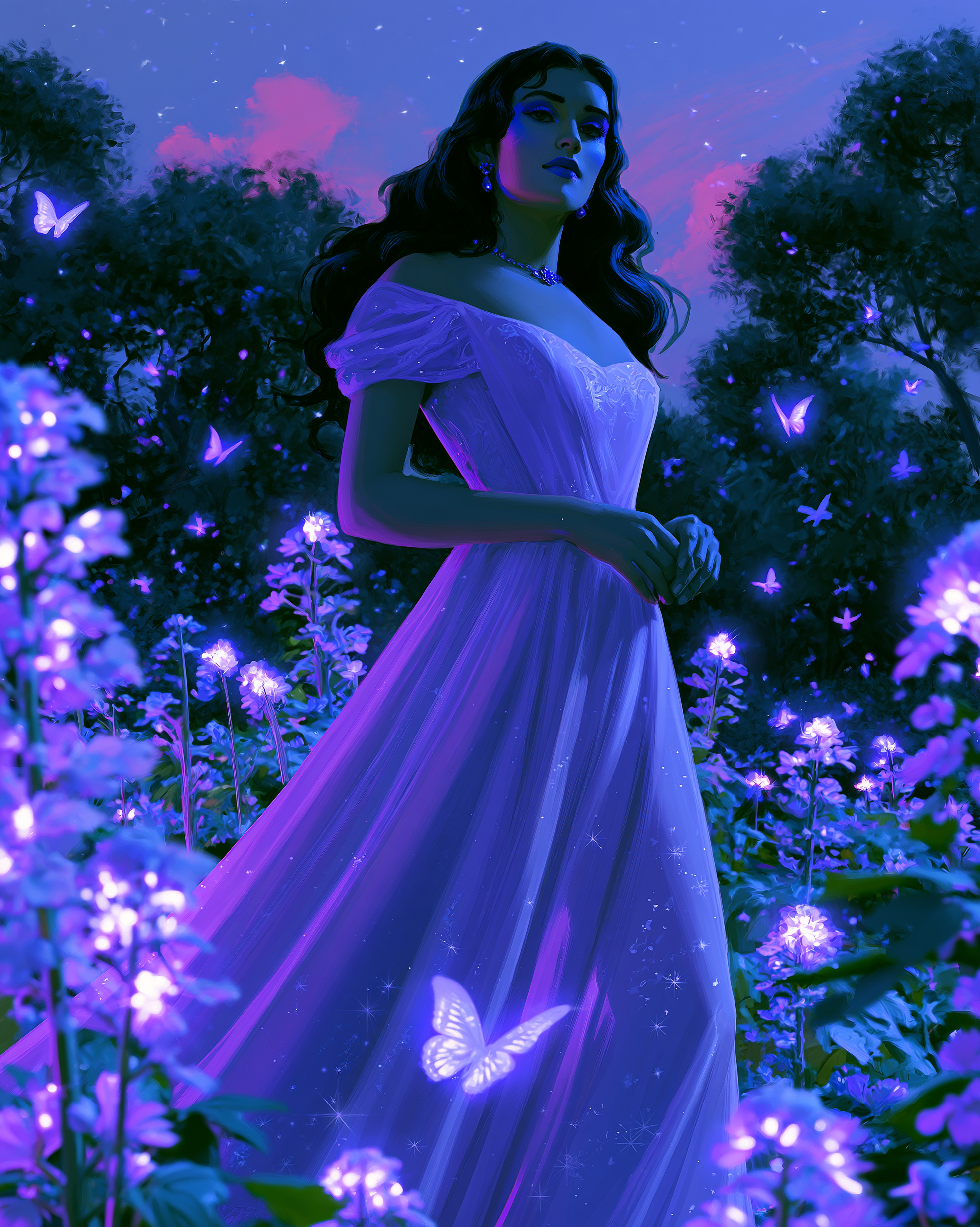
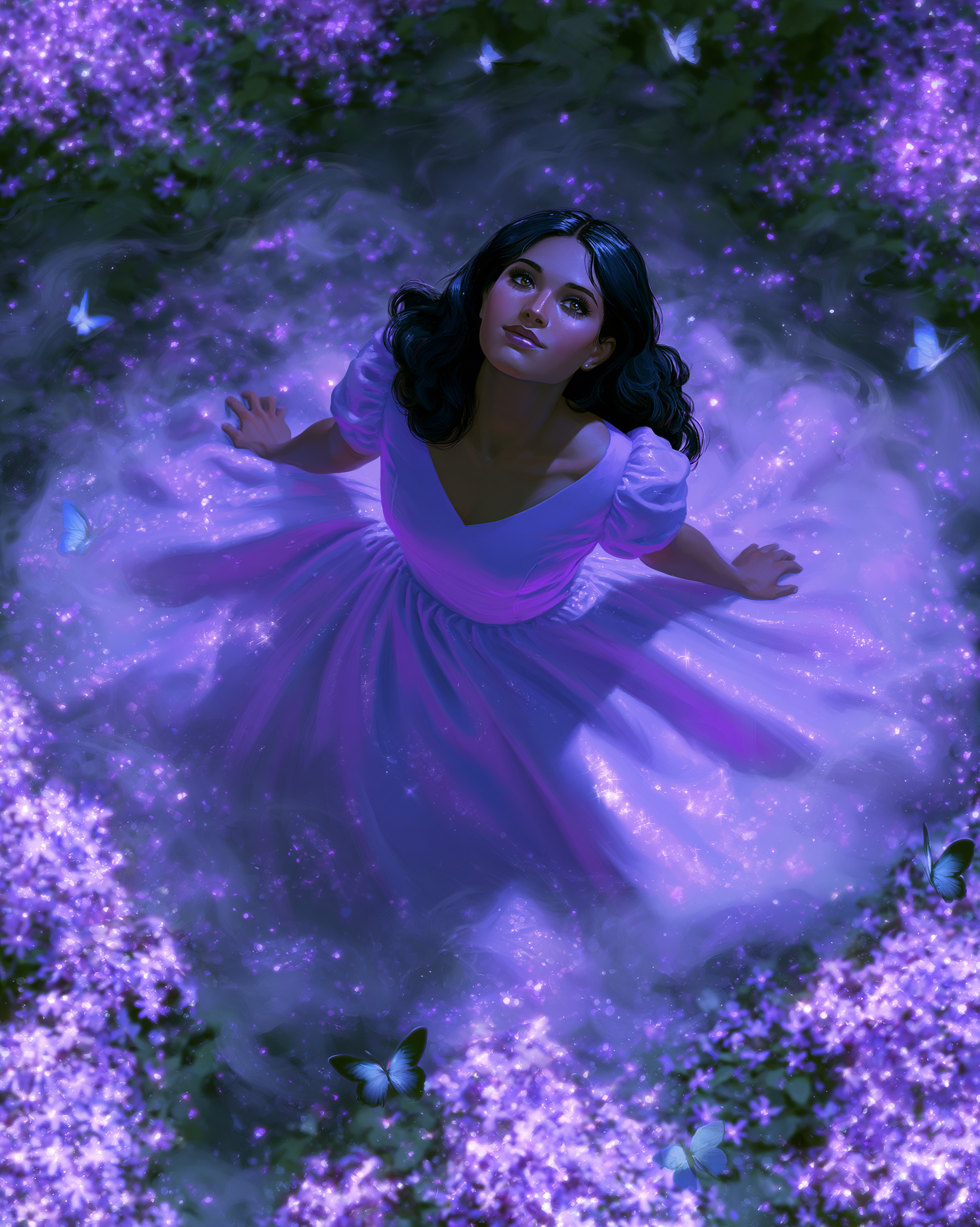
A close-up portrait draws attention to emotion and facial details. A semi-macro composition can highlight the eyes, hands, flowers, jewelry, or other small elements. A wide shot can show the full environment, while an overhead view can create a more unusual composition.
I may also experiment with low-angle views, side profiles, reflections, silhouettes, or images framed through objects in the foreground.
The angle helps control what the viewer notices first.
Camera Angle Comparison – Close-Up Portrait
Camera Angle Comparison – Low-Angle Full-Body View
Camera Angle Comparison – Overhead View
Refining the Prompt
The first prompt is rarely the final one.
Creating AI art often involves testing different wording, changing the order of details, removing elements that create clutter, and strengthening the most important parts of the concept.
Sometimes a prompt includes too many ideas at once. In that case, simplifying it can produce a stronger image. Other times, the concept needs more specific lighting, camera direction, clothing details, or background information.
Refining the prompt is about learning what the image needs and what it does not need.
The goal is not to make the prompt as long as possible. The goal is to make the creative direction clear.
Keeping the Best Elements
As the image develops, I look closely at what is working.
Not every generation works perfectly. Sometimes the pose feels unnatural, the background becomes too crowded, or an important detail disappears. Instead of treating these results as failures, I use them to identify what needs to change in the next version.
Maybe the lighting is perfect, but the pose needs improvement. Perhaps the background is beautiful, but the outfit does not match the mood. One version may have the strongest expression, while another has the best composition.
Each result provides useful information.
I keep the strongest elements and continue refining the weaker ones until the concept feels complete.
-
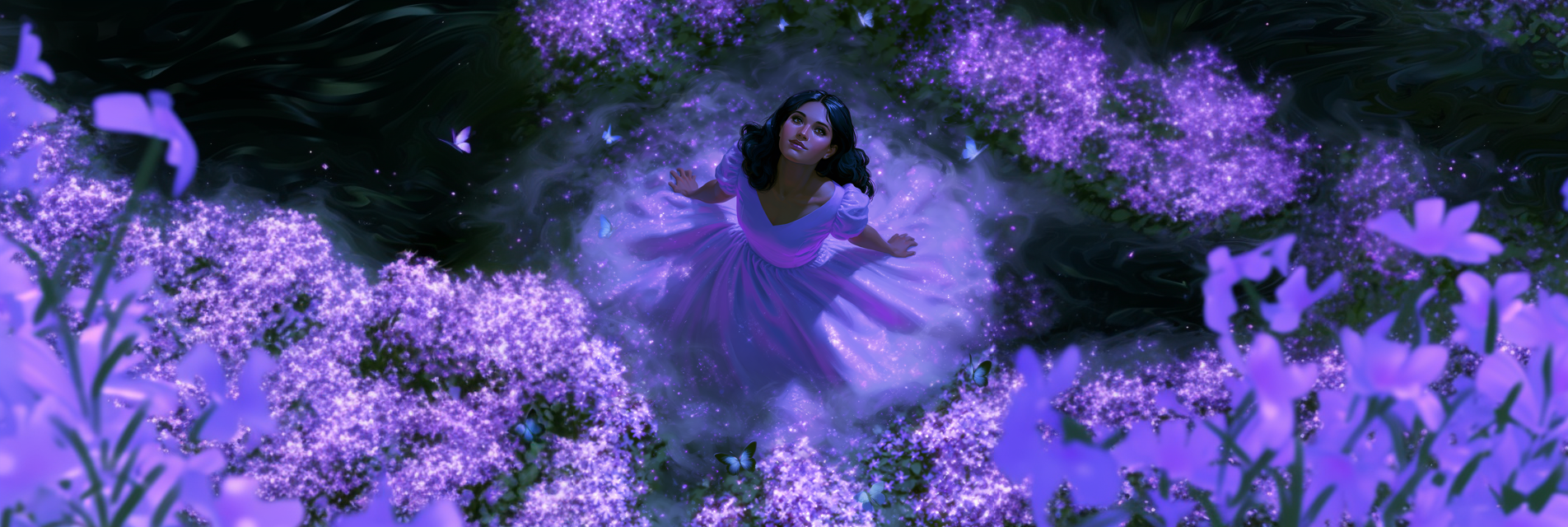
Overhead view of an elegant young woman standing at the center of an enchanted twilight garden, luminous flowers arranged around her in a natural circular composition, long dark wavy hair, dreamy expression, flowing lavender gown spread gracefully across the garden floor, delicate butterflies, silver mist, and subtle sparkling particles, illuminated by soft blue moonlight with gentle lavender highlights, refined fantasy realism, detailed fabric and floral textures, cinematic lighting, magical yet sophisticated atmosphere, polished editorial composition.
Creating Art With Direction
AI can generate an image quickly, but strong artwork still needs direction.
The most successful concepts usually come from knowing what emotion the image should create, what story it should suggest, and which details matter most.
That is the part of the process I enjoy most: taking an idea that may only exist as a few words and developing it into something visual, polished, and personal.
At Beaudhikin Atelier, I create custom AI art prompts, visual concepts, prompt packages, and creative direction for people who want something made around their own ideas.
Whether you already have a detailed vision or only a small spark of inspiration, that spark can become the beginning of something beautiful.
This is not just about generating an image.
It is about giving an idea direction.