One Idea, Endless Possibilities: How I Create a Cohesive AI Art Collection
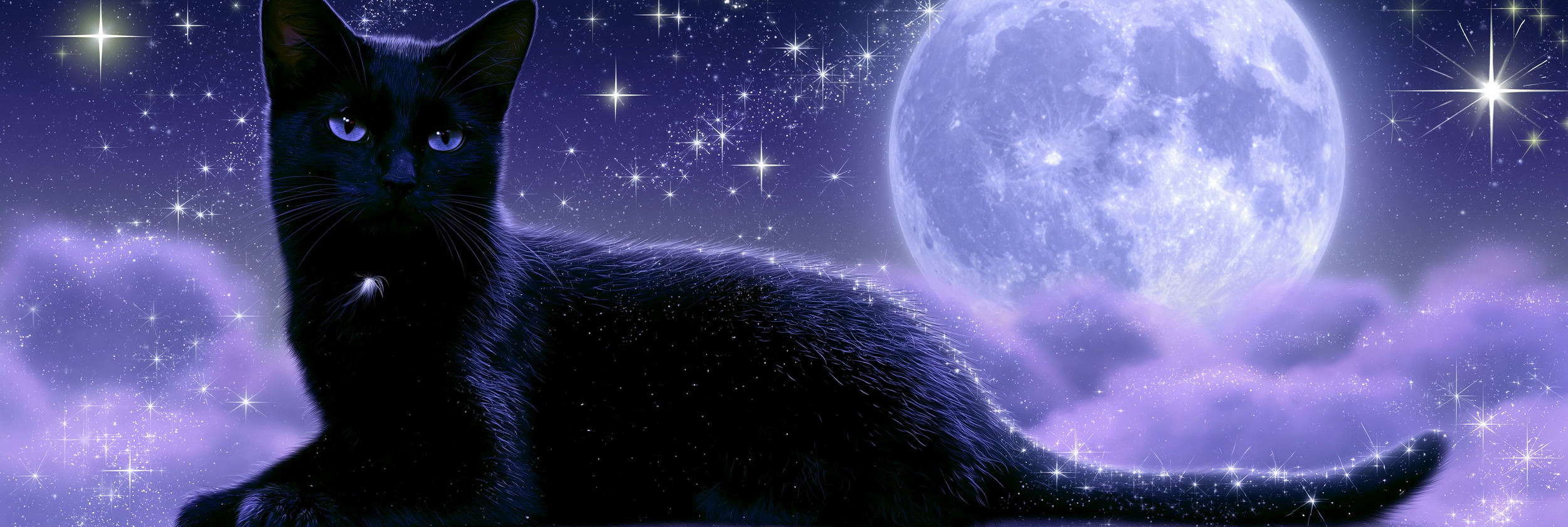
A strong AI art collection usually begins with one small idea.
It might be a black cat surrounded by stars, a magical garden covered in sparkles, a familiar anime character in a new setting, or a portrait built around one specific emotion. The first idea does not need to be complicated. It only needs to be clear enough to inspire more possibilities.
The real creative work begins when I ask one question:
How many different directions can this idea take without losing what made it special?
That is how a single concept becomes a complete visual collection.
Start With the Core Concept
-
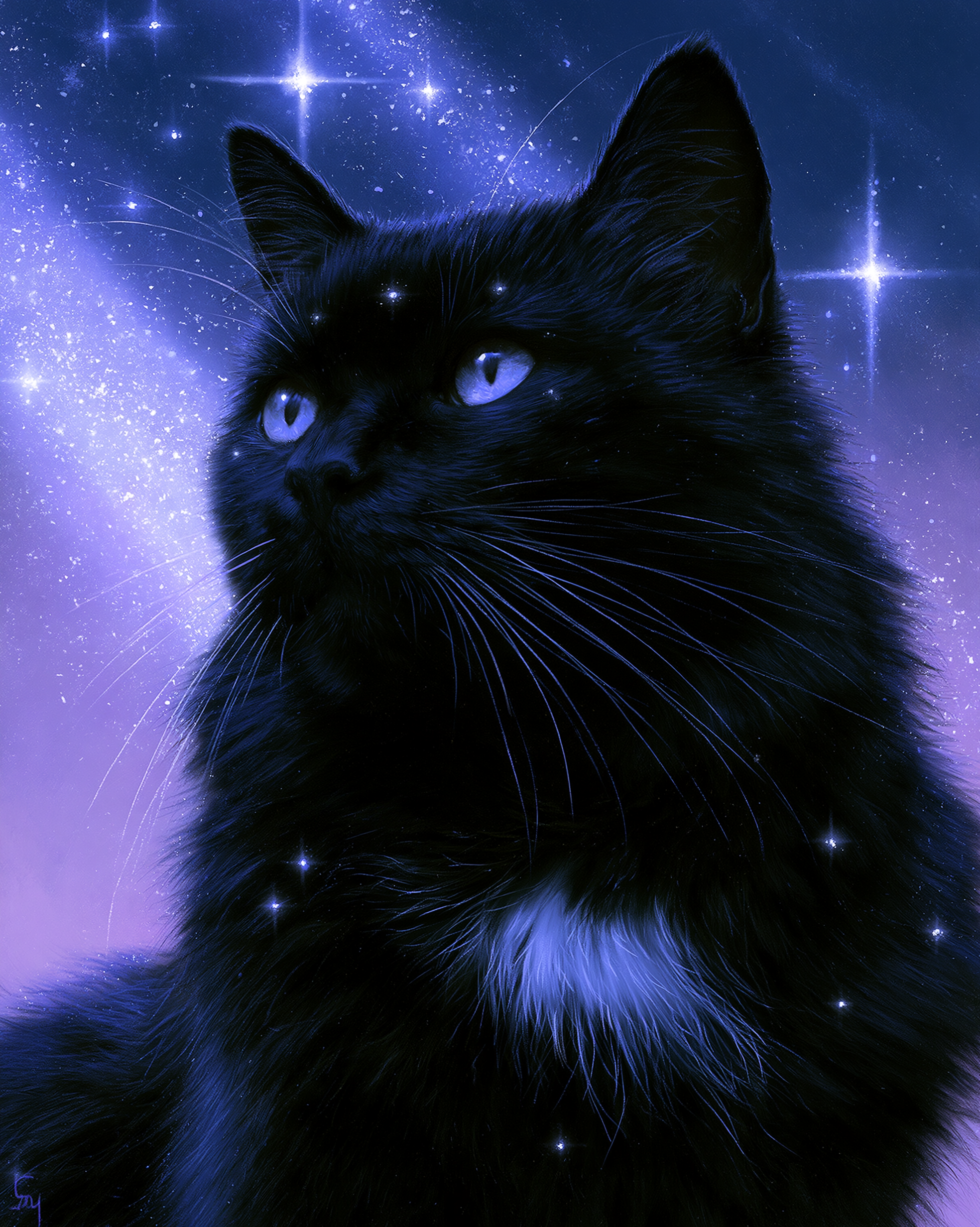
A portrait of a celestial black cat with a small white chest marking, luminous eyes, soft moonlit glow, silver sparkles floating around it, midnight blue and lavender background, elegant fantasy illustration, clean composition, detailed fur texture, dreamy and magical atmosphere, refined digital art, soft glowing highlights.
Before creating any images, I define the central idea of the collection.
For example, imagine the concept is a celestial black cat. The most important elements might be:
A black cat with a small white chest marking
A dreamy nighttime setting
Stars, moonlight, and sparkles
A magical but elegant atmosphere
These details become the visual foundation. They help every image feel connected, even when the composition, setting, or mood changes.
Without a clear foundation, a collection can quickly begin to feel random. One image may look soft and dreamy, another may feel dark and dramatic, and another may look like it belongs to an entirely different series.
The goal is not to make every image identical. The goal is to make them feel like they belong in the same world.
Change the Camera Angle
One of the easiest ways to create variety is to change the way the scene is viewed.
The same subject can feel completely different depending on the camera angle. A close-up portrait creates intimacy. A wide scene makes the environment more important. A low-angle composition can make the character feel powerful, while an overhead view can make the image feel delicate or cinematic.
For one collection, I might create:
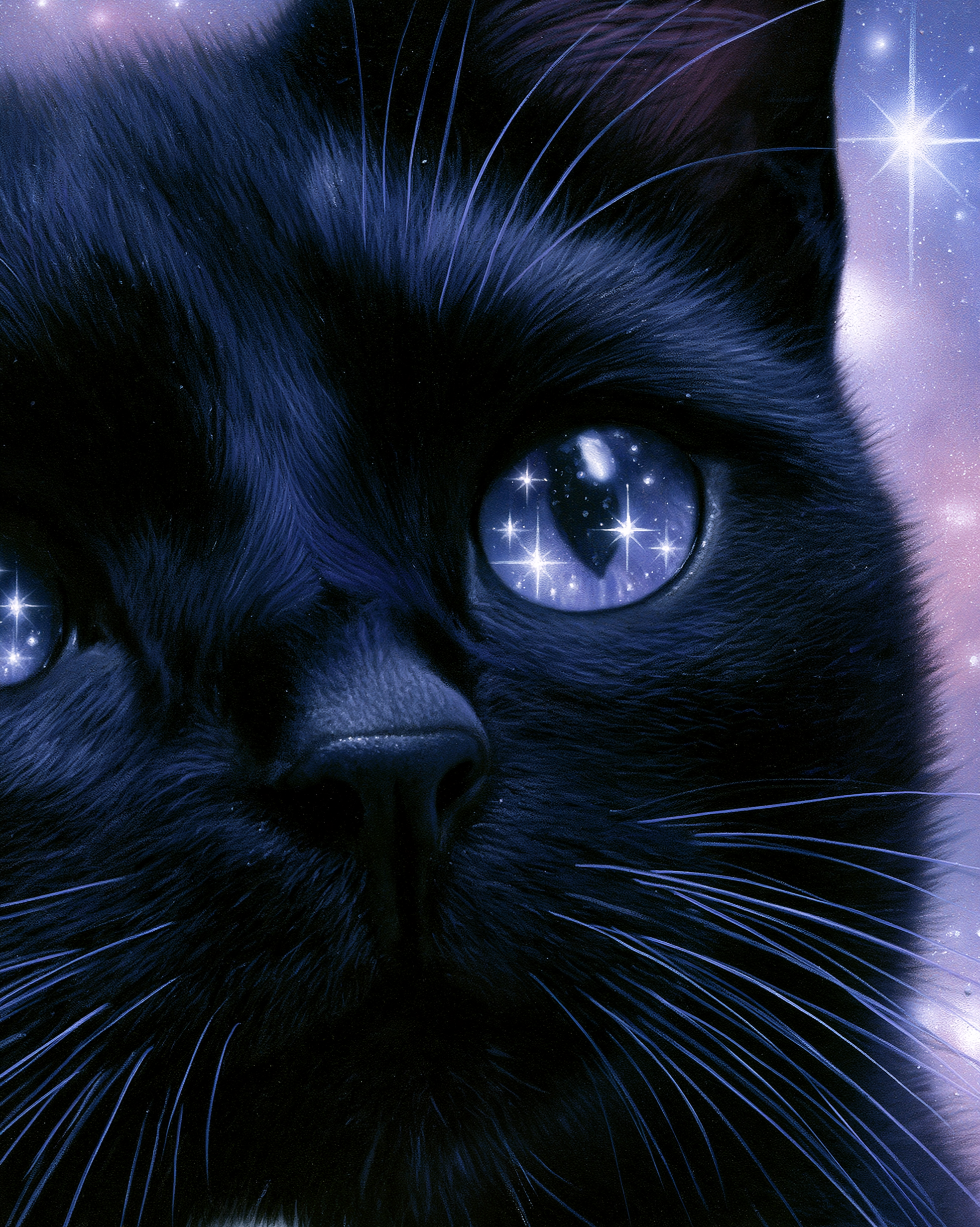
A close-up portrait focused on the eyes
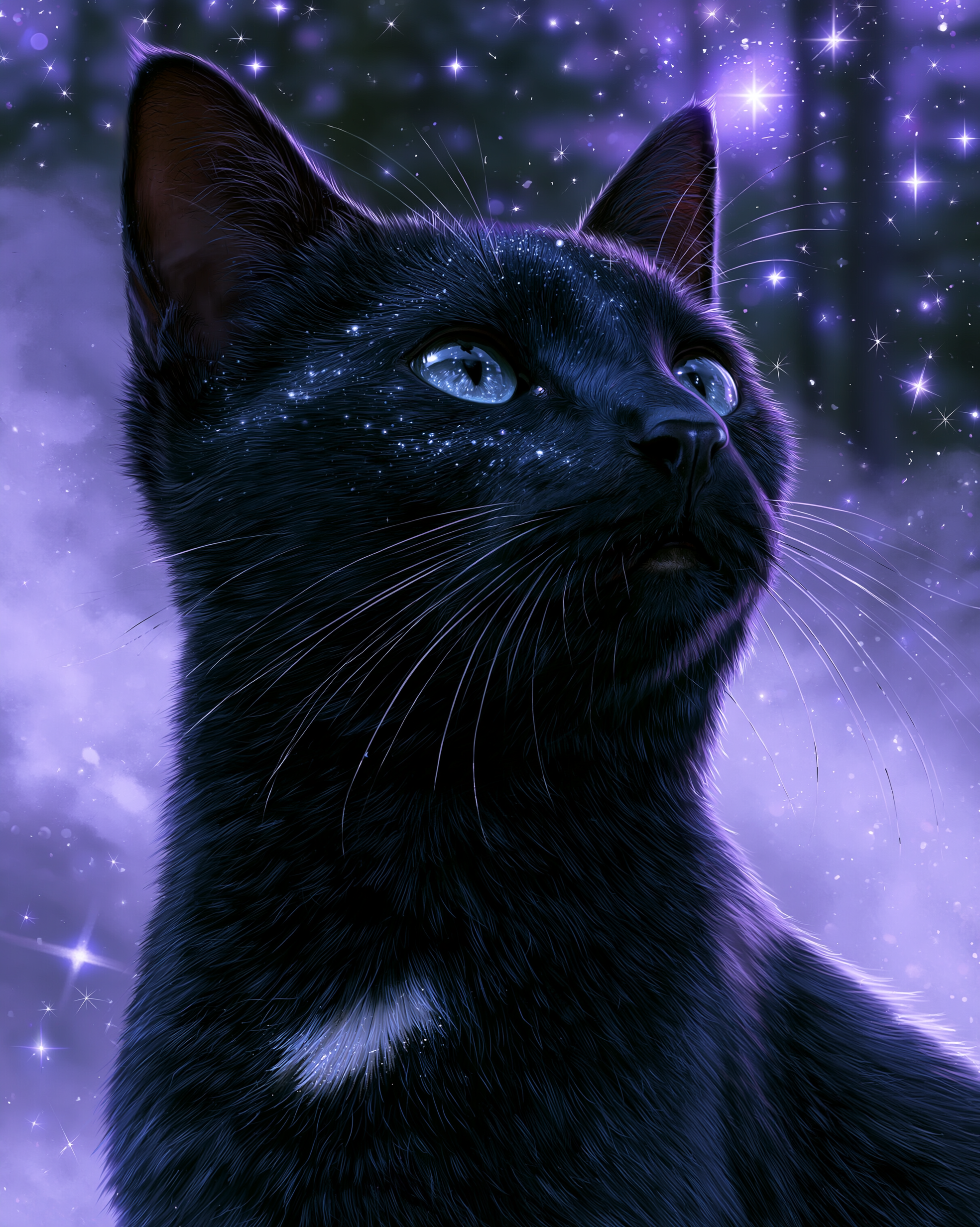
A semi-macro image showing the face and shoulders
A full-body composition
A wide environmental scene
A bird’s-eye view
A dramatic low-angle shot
Extreme Close-Up Version
Semi-Macro Portrait Version
Wide Environmental Scene
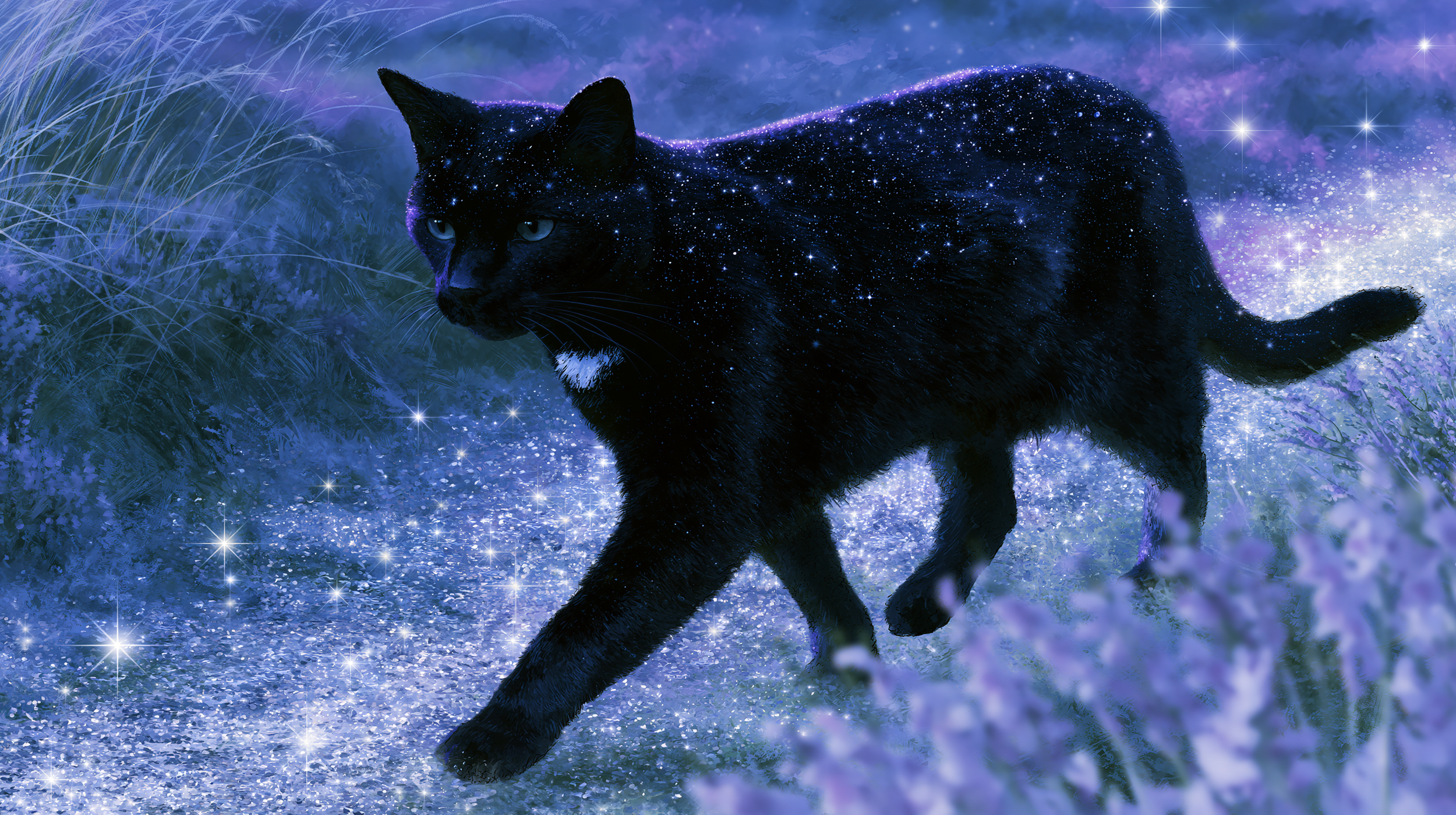
The character and theme remain consistent, but each image tells the story from a different perspective.
Explore Different Settings
A subject does not need to stay in one location.
Moving the character into different environments can expand the concept while keeping the collection recognizable. A celestial black cat might appear on a moonlit balcony, inside an enchanted library, beneath a glowing tree, or walking across clouds.
Enchanted Library Variation
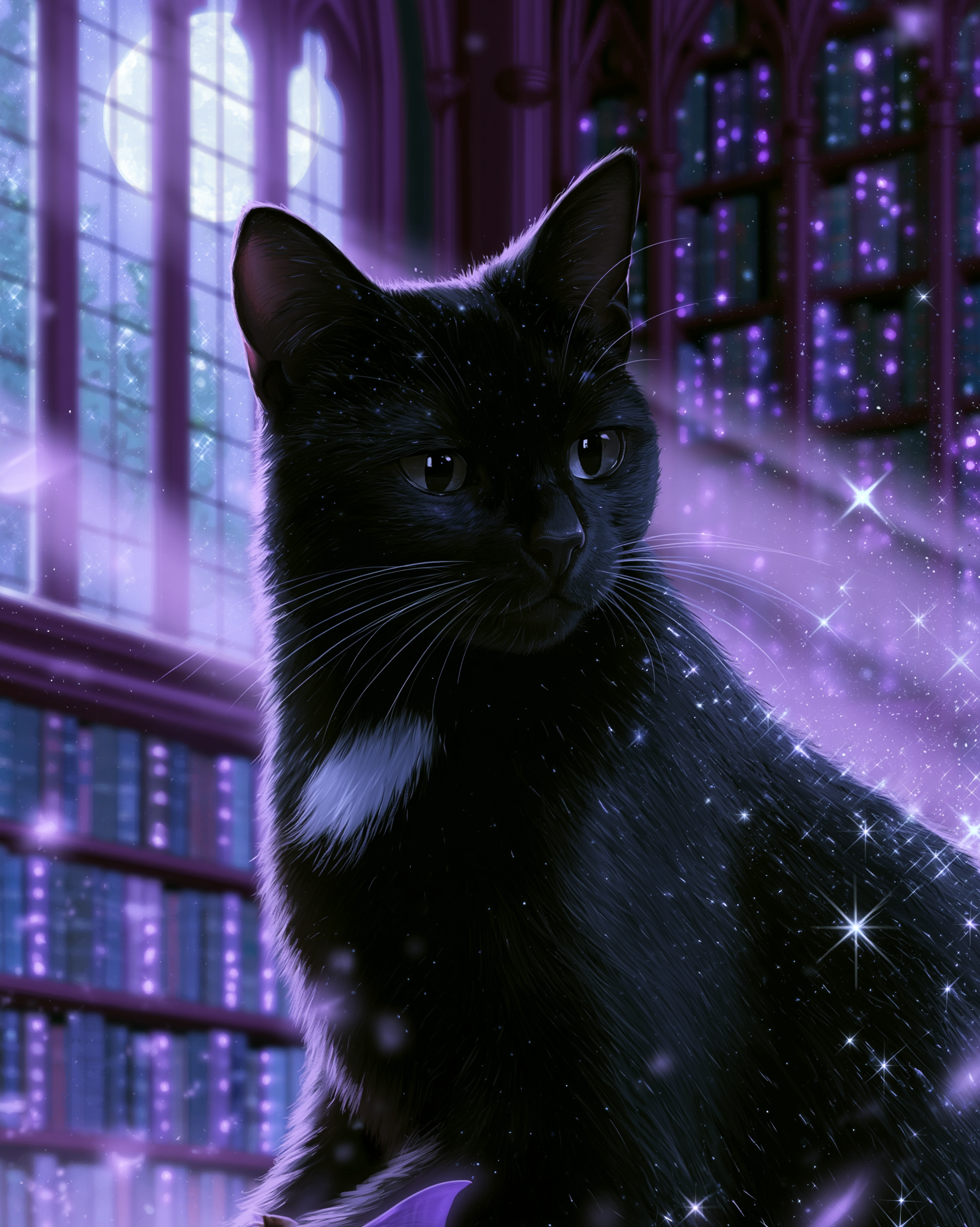
Moonlit Flower Garden Variation
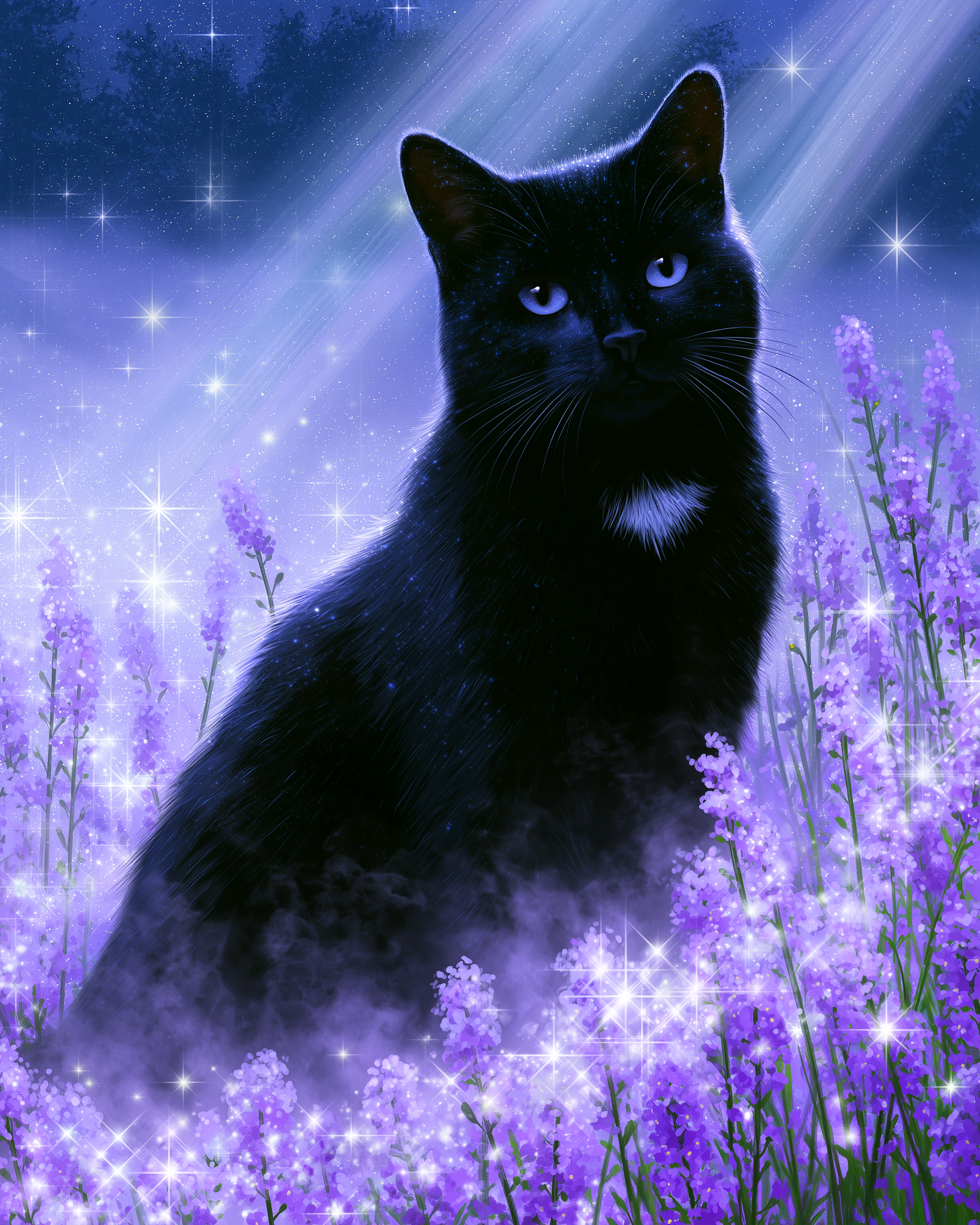
Balcony Above the Clouds Variation
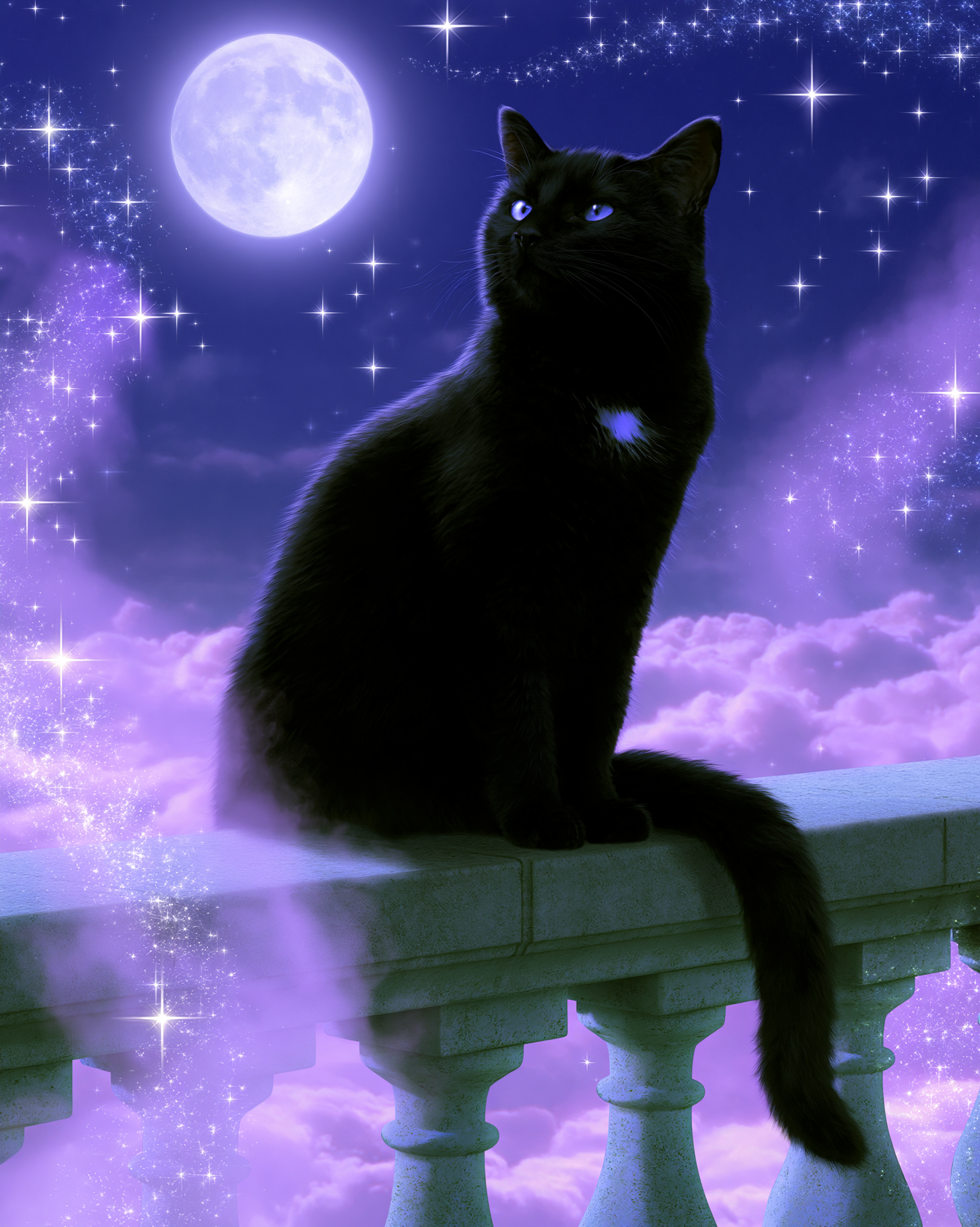
Celestial Forest Variation
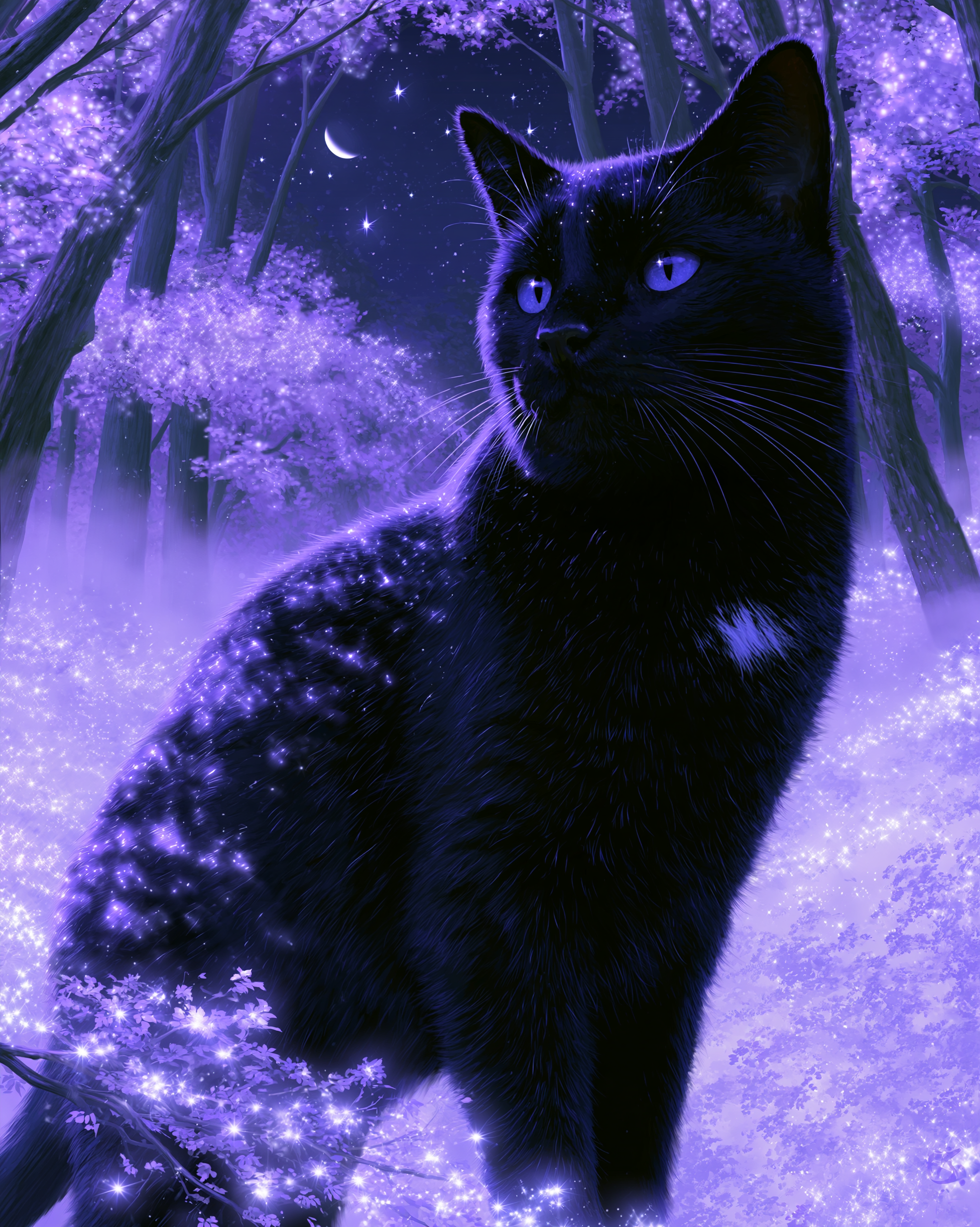
The settings can change, but certain visual elements should return throughout the collection. These might include the same color palette, lighting style, sparkles, flowers, stars, or magical symbols.
Repeating these details creates continuity.
The viewer may not consciously notice every repeated element, but they will still feel that the images are connected.
Build Around a Consistent Color Palette
Color is one of the strongest tools for creating a cohesive collection.
Before generating a series, I often decide which colors should appear most frequently. A collection might use lavender, midnight blue, silver, and soft pink. Another might focus on emerald green, gold, cream, and black.
A limited palette gives the collection its identity.
The colors do not need to appear in exactly the same proportions in every image. One piece may be mostly dark blue, while another may use more silver or lavender. As long as the main colors continue to return, the collection will still feel unified.
Lighting also matters. Soft moonlight, golden-hour sunlight, neon reflections, candlelight, and dramatic studio lighting each create a different mood.
Choosing one general lighting direction helps strengthen the visual connection between the images.
Create Different Emotional Versions
A collection becomes more interesting when it includes more than one emotion.
The same character can appear peaceful, curious, powerful, lonely, joyful, mysterious, or hopeful. These changes allow the collection to feel like a story rather than a group of repeated portraits.
For example, one image might show the character quietly looking at the moon. Another could show the character running through a field of glowing flowers. A third might place the character in the middle of a magical storm.
Each image adds a different emotional layer while staying connected to the original concept.
This is especially useful when creating artwork for social media, wallpapers, prints, or storytelling projects. Different moods give the audience more opportunities to connect with the collection.
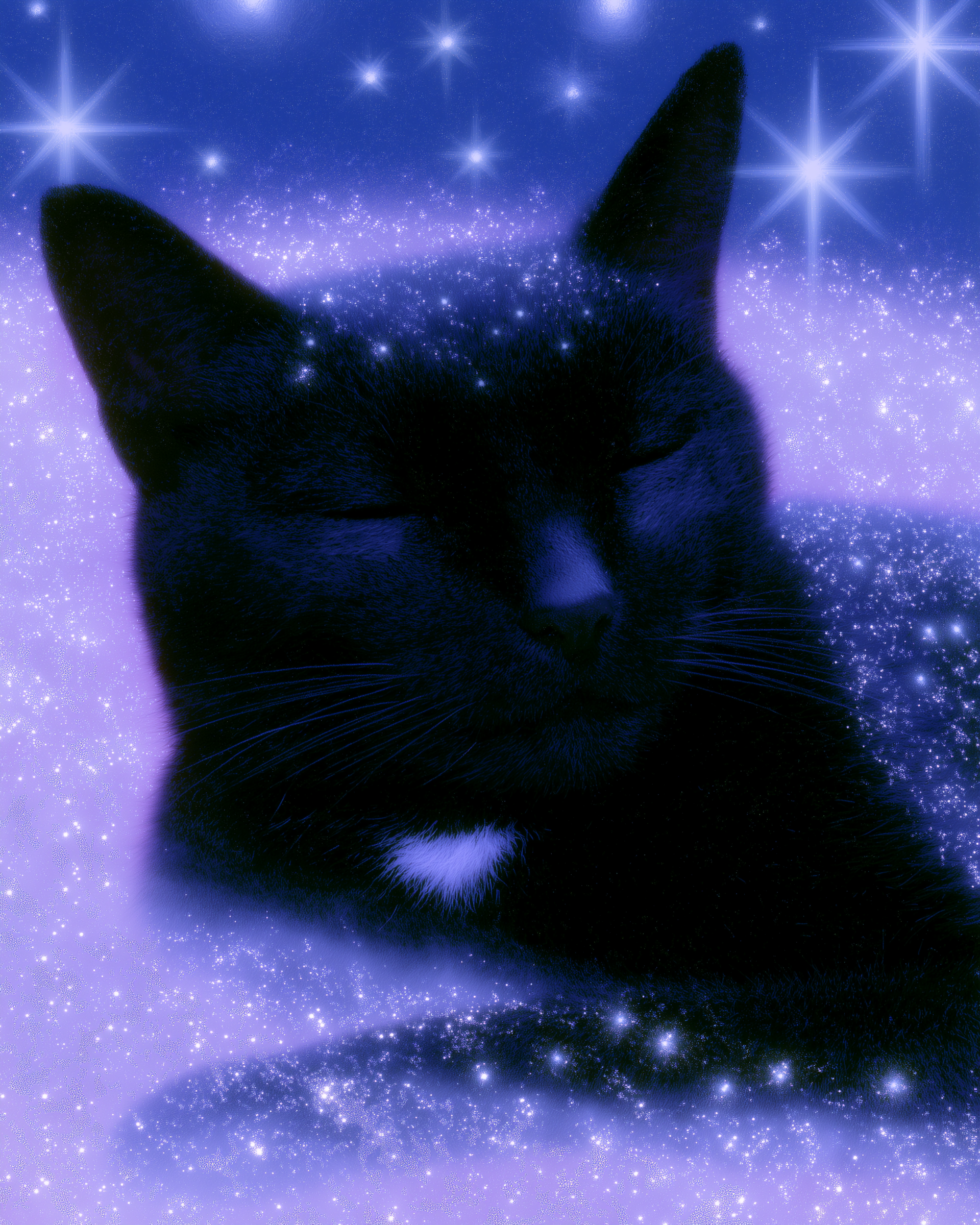
Peaceful Emotional Version
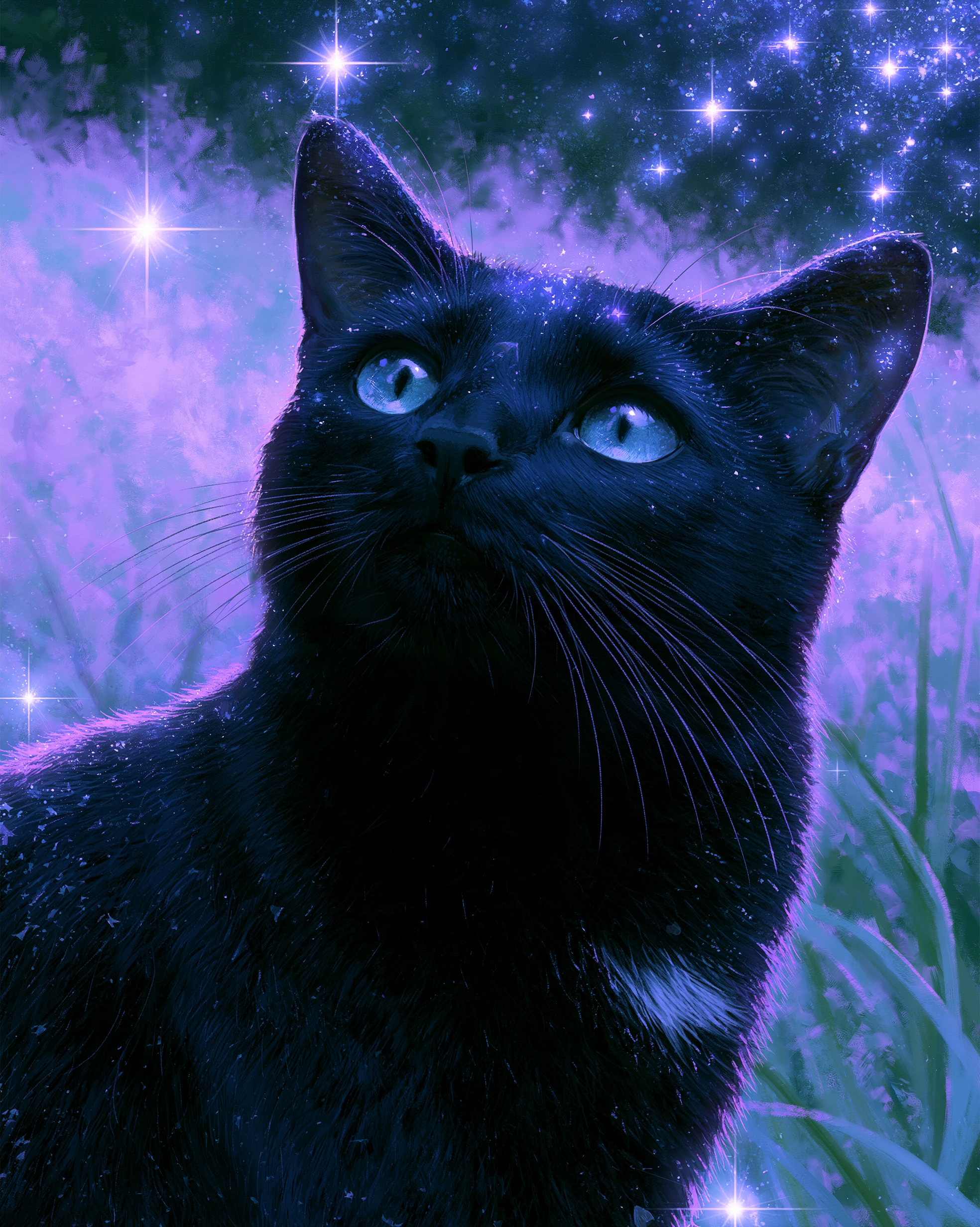
Curious Emotional Version
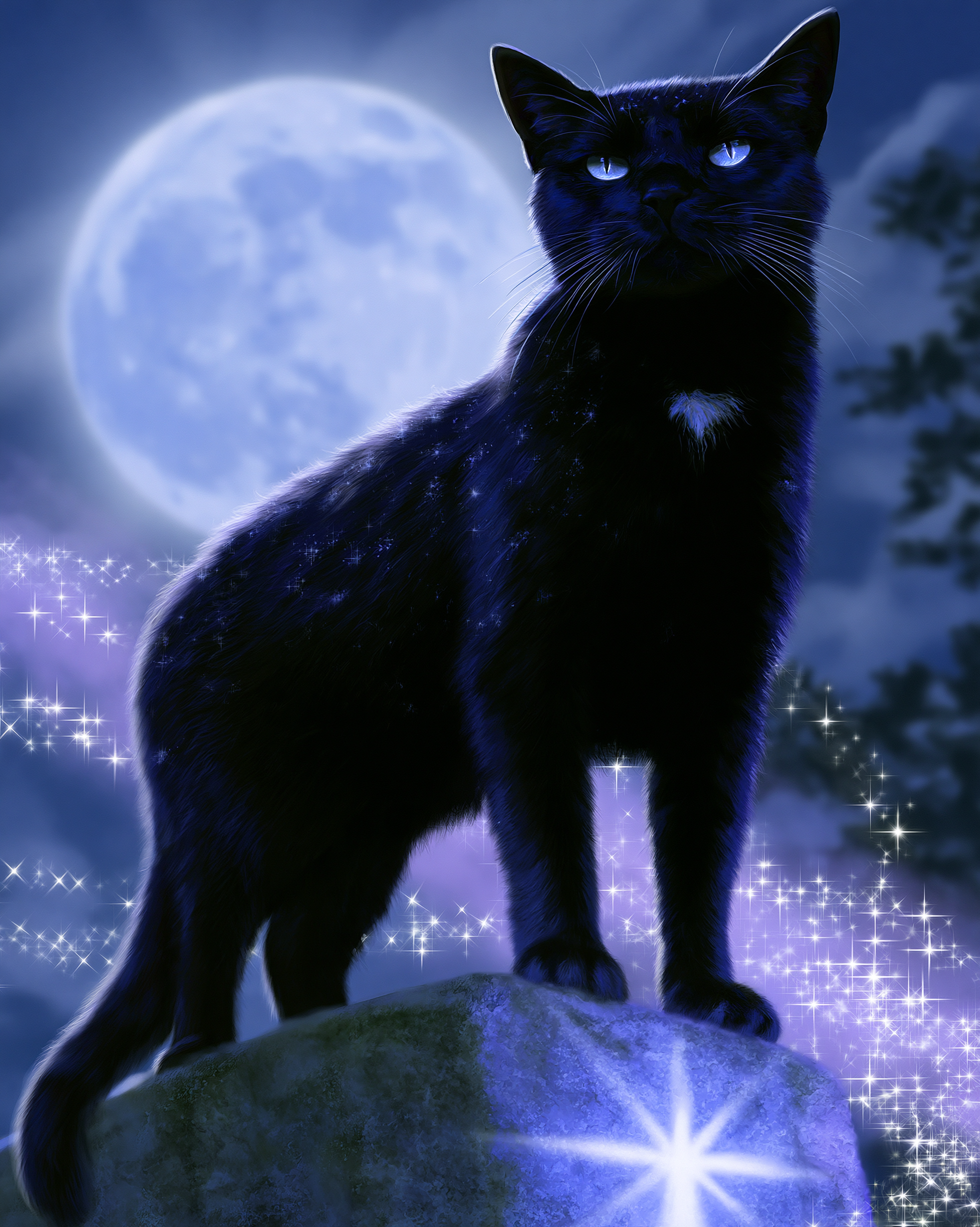
Powerful Emotional Version
Adjust the Composition for Different Platforms
A good concept should also be flexible enough to work in different formats.
Vertical images are ideal for Instagram Stories, phone wallpapers, Pinterest, and short-form video backgrounds. Square or portrait images work well for social media posts. Widescreen compositions can be used for website banners, desktop wallpapers, or cinematic artwork.
When I build a collection, I may adapt the same idea into:
9:16 vertical compositions
4:5 portrait images
1:1 square artwork
16:9 widescreen scenes
Extra-wide website banners
The subject may need to be repositioned for each format. A vertical image might place the character near the bottom with open space above, while a widescreen image may place the subject off-center to create a more cinematic view.
Thinking about the final use of the artwork helps each image feel intentional.
Repeat Important Details
Small recurring details can make a collection feel much more polished.
These details might include:
A specific flower
A glowing symbol
A certain type of sparkle
A moon shape
A signature hairstyle
A repeated clothing color
A recognizable animal companion
A particular style of background lighting
These elements act like visual threads. They connect the individual images without making them repetitive.
Even one carefully repeated detail can help the audience recognize that several images are part of the same series.
When a Collection Starts to Feel Inconsistent
Sometimes an image looks beautiful on its own but no longer feels connected to the rest of the collection. When that happens, I return to the original visual anchors: the subject’s defining features, the color palette, the lighting, the atmosphere, and the repeated details. I may simplify the prompt, remove elements that do not belong, or restate the most important characteristics more clearly. Cohesion often comes from knowing what to leave out.
Know When the Collection Is Complete
It is easy to keep generating new versions of an idea, but more images do not always make a collection stronger.
A finished collection should feel varied without becoming unfocused. Each piece should contribute something new, whether that is a different setting, emotion, camera angle, or composition.
If two images feel almost identical, one of them may not be necessary.
I usually look for a balance between consistency and surprise. The collection should have a recognizable identity, but every image should still give the viewer a reason to stop and look.
One Idea Can Become an Entire World
Creating an AI art collection is not only about writing several prompts around the same subject. It is about developing a visual world.
The original idea becomes the foundation. The camera angles, colors, environments, emotions, and recurring details help that idea grow.
A single character can become the center of a wallpaper series. A simple flower can inspire a complete fantasy collection. One color palette can become the identity of an entire campaign.
The possibilities expand when the concept is strong and the creative direction stays focused.
That is what I enjoy most about building AI art collections. One small spark can become a complete world of images, each one different, but still connected to the same original vision.
Create Your Own Collection
At Beaudhikin Atelier, I create custom AI art concepts and cohesive prompt collections built around your chosen character, theme, emotion, color palette, or visual direction.
Whether you want a small set of polished prompts or a complete collection designed for social media, wallpapers, branding, or storytelling, I can help turn one idea into an entire visual world.